











Knee Pain When Running: Causes, Warning Signs, and How a Gold Coast Physio Can Help By Dr Vahab Nedaey | Elanora Physiotherapy | elanoraphysiotherapy.com.au
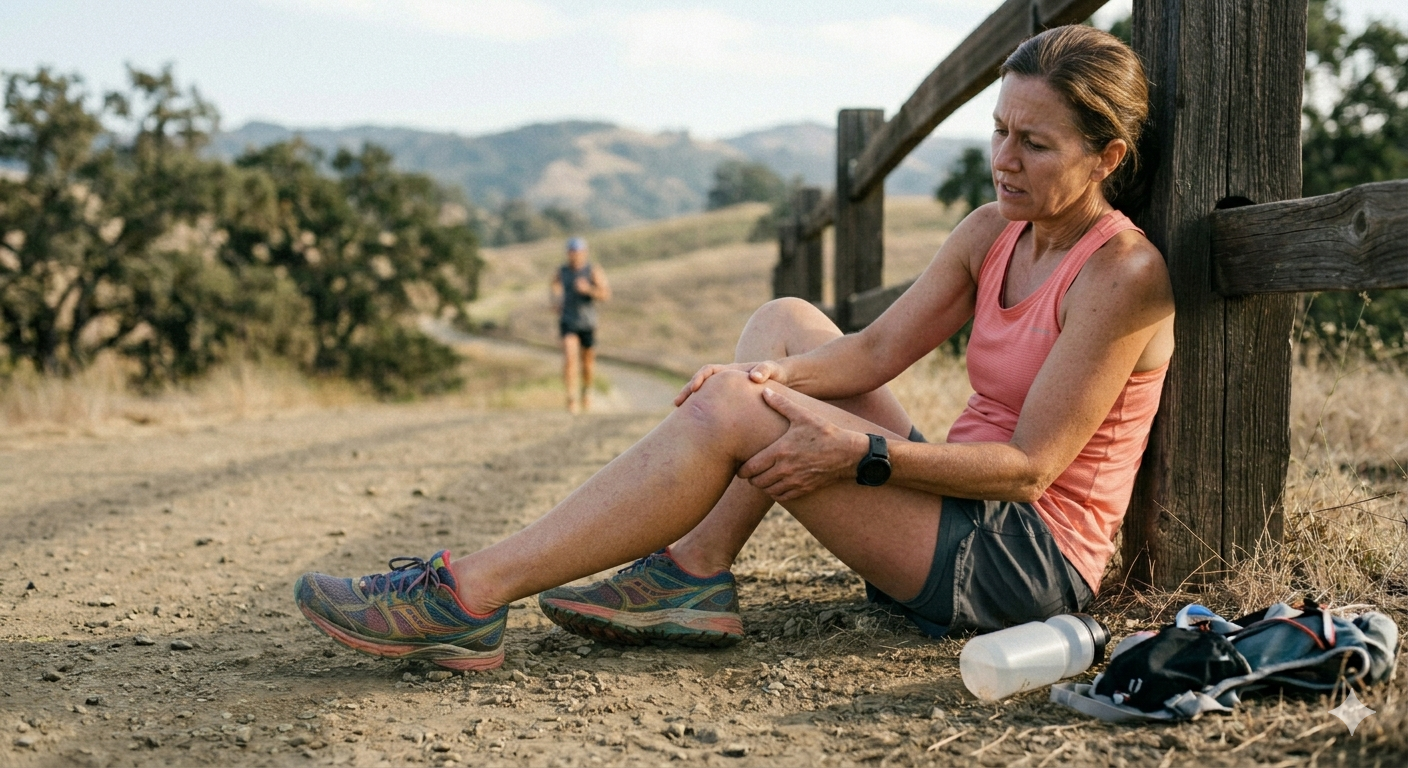
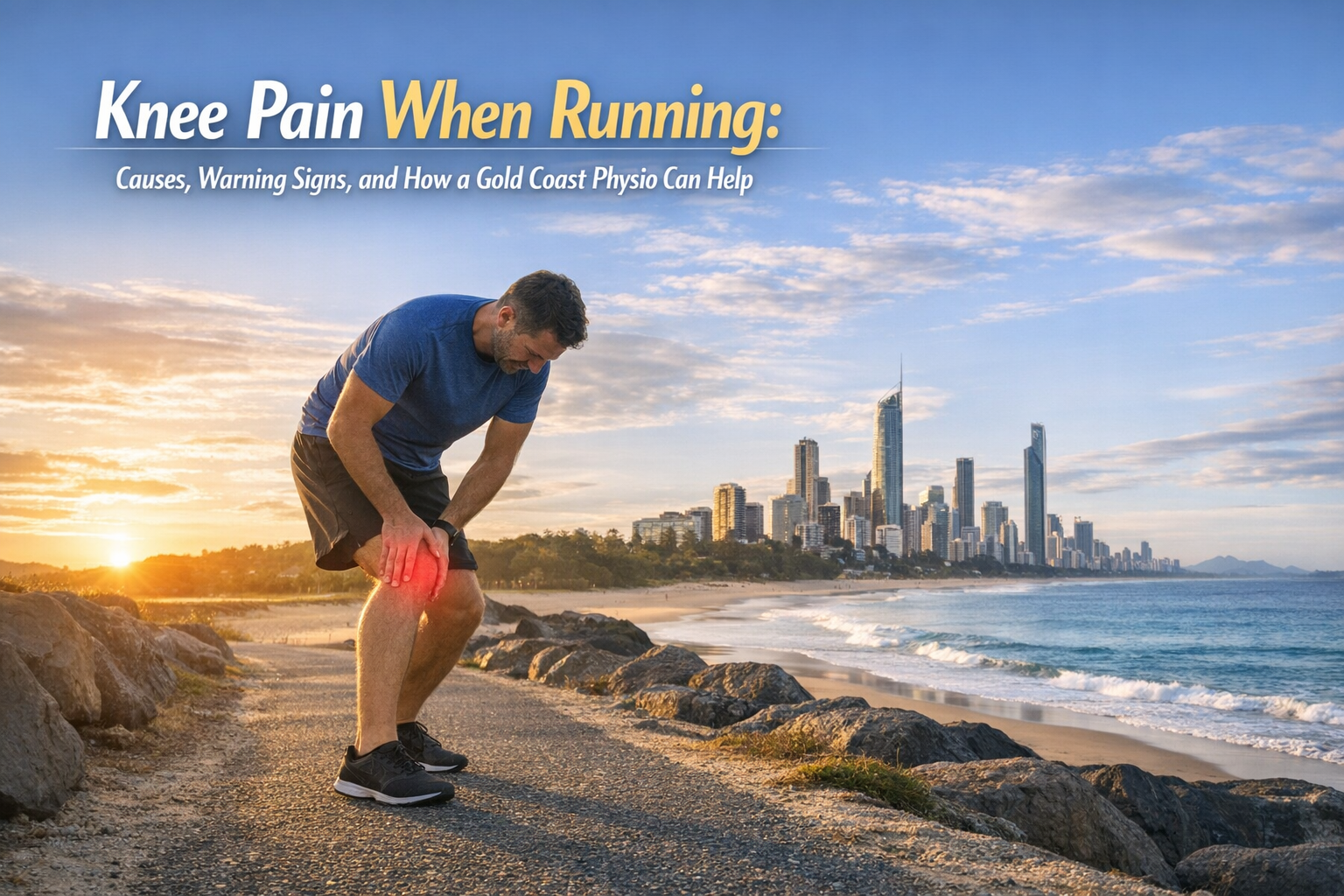
If you've ever had to cut a run short because of knee pain, you're not alone. Knee pain is one of the most common complaints we see at our physiotherapy clinic, and the Gold Coast's active running culture means we treat it year-round — from beginners training for their first 5k to seasoned athletes logging serious kilometres along the coastal paths.
The good news? Most running-related knee pain responds very well to physiotherapy. The key is understanding what's causing it and acting early.
Why Does My Knee Hurt When I Run?
Knee pain during running rarely comes from one single cause. More often, it's the result of a combination of factors — muscle imbalances, training load, biomechanics, and footwear all playing a role. Here are the most common conditions we diagnose:
1. Patellofemoral Pain Syndrome (Runner's Knee)
This is the most frequent knee complaint in runners. You'll feel a dull ache around or behind the kneecap, often worse when going downstairs, squatting, or sitting for long periods. It develops when the kneecap isn't tracking correctly through its groove, usually due to weakness in the hip abductors or quadriceps.
2. Iliotibial Band (ITB) Syndrome
ITB syndrome causes a sharp or burning pain on the outer side of the knee. It's an overuse injury caused by the iliotibial band — a thick band of tissue running down the outside of your thigh — repeatedly rubbing against the knee joint during the bending motion of running. It's particularly common in runners who increase their mileage too quickly.
3. Patellar Tendinopathy (Jumper's Knee)
Despite its nickname, this condition affects plenty of runners too. You'll feel pain directly at the front of the knee, just below the kneecap. It develops when the patellar tendon is repeatedly overloaded, leading to tissue breakdown over time. If left untreated, it can become a long-term problem.
4. Medial Knee Pain and Meniscus Irritation
Pain on the inner side of the knee, especially with twisting or pivoting movements, can indicate meniscus involvement or medial ligament stress. This often occurs when the running technique breaks down with fatigue.
Warning Signs You Shouldn't Ignore
Not all knee pain is the same. These signs suggest you should stop running and book in with a physio promptly:
- Pain that persists after you stop running and into the next day
- Swelling around the joint
- A locking, clicking, or giving way sensation
- Pain that worsens with each run rather than settling down
- Knee pain that starts early in a run and forces you to stop
What Causes Knee Pain in Runners?
Understanding why your knee hurts is just as important as treating the pain itself. At Elanora Physiotherapy, our assessment looks at the full picture:
- Hip and glute weakness is one of the most common underlying drivers. Weak hip abductors and glutes fail to control pelvic stability, which causes increased inward movement of the knee during each footstrike — placing enormous repetitive stress on the joint.
- Training load errors are another major factor. Increasing weekly kilometres too quickly, adding back-to-back hard runs, or returning to running too soon after time off are all common culprits.
- Running technique plays a significant role. A crossover gait pattern (where the foot lands across the midline of the body), overstriding, or excessive heel striking all increase the forces transmitted through the knee.
- Footwear that is worn down or unsuited to your foot type can alter how the load is distributed across the knee with every step.
How Physiotherapy Treats Running Knee Pain?
A thorough physio assessment goes beyond just treating where it hurts. At Elanora Physiotherapy, Dr Vahab Nedaey uses a comprehensive approach that identifies the root cause of your pain.
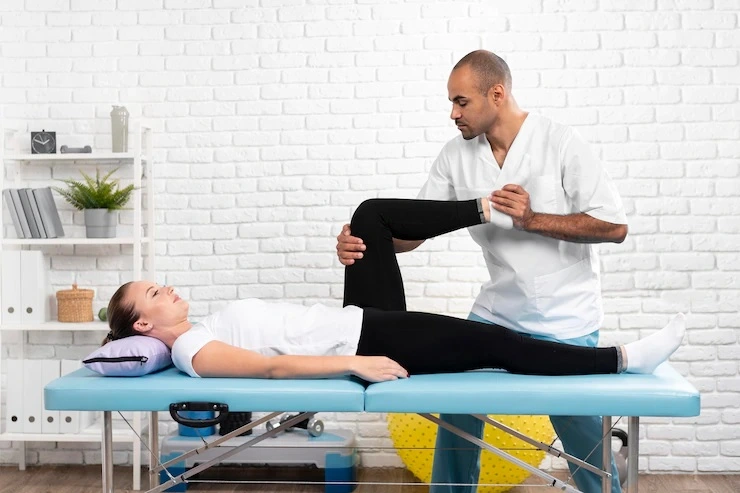
Initial assessment includes a detailed history of your training, a physical examination of the knee, hip strength testing, and — where indicated — a running gait analysis to identify technique issues contributing to your pain.
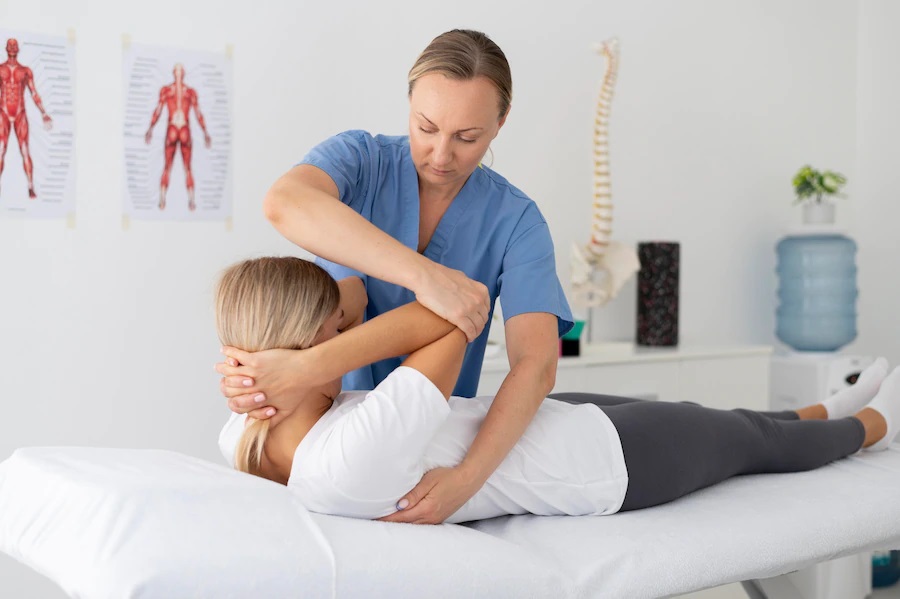
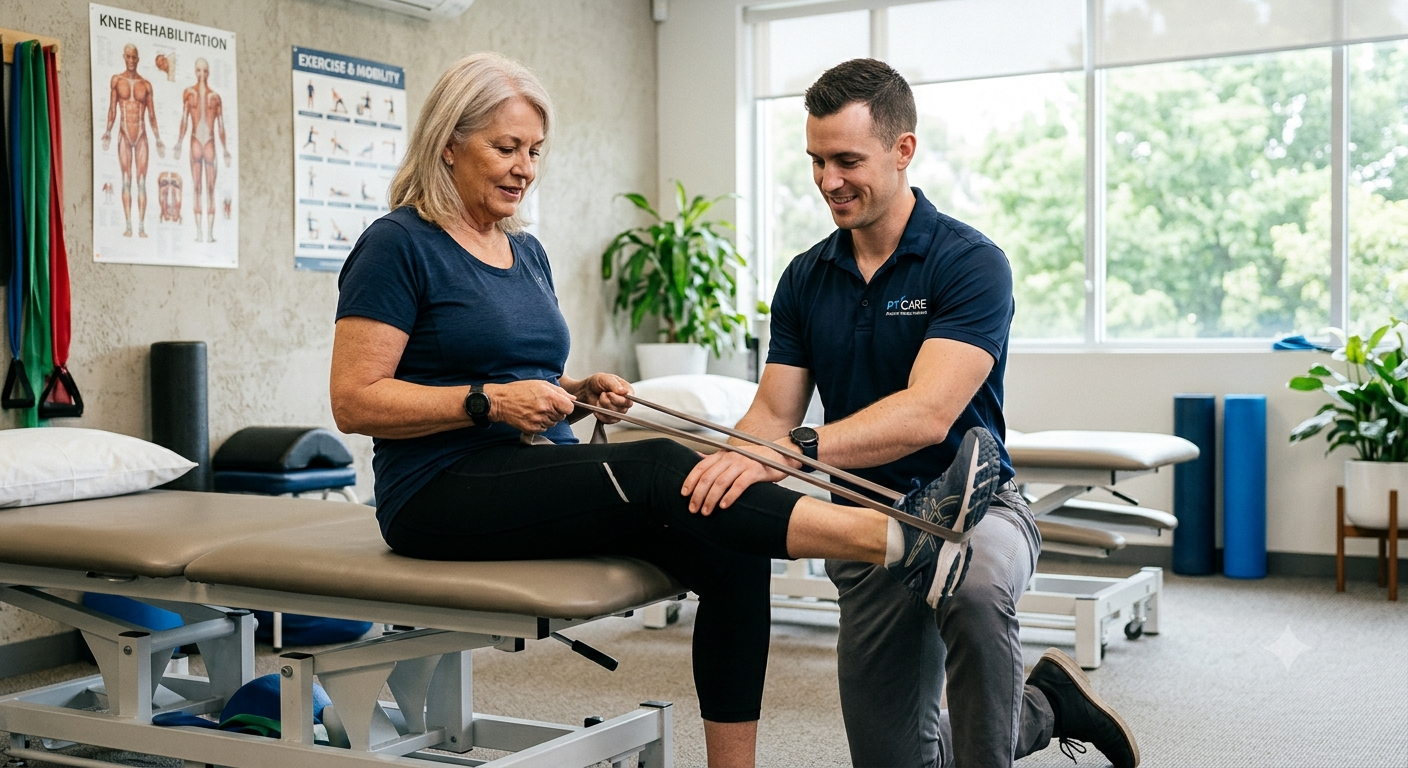
Hands-on treatment may include soft tissue release, joint mobilisation, dry needling, and taping to reduce pain and restore normal movement patterns.
A targeted exercise program is the cornerstone of recovery. This typically progresses from basic glute and quad activation exercises through to full running-specific strength and conditioning work. Recovery from most running-related knee conditions takes between 6 and 12 weeks with a well-structured program.
Running technique coaching helps identify and correct biomechanical patterns that contributed to the injury in the first place — reducing the risk of it coming back.
Can I Keep Running While I Recover?
This is one of the most common questions we hear. In most cases, the answer is yes — but with modifications. Complete rest is rarely the best approach and can actually slow recovery. Your physiotherapist will advise on a graded return-to-running plan that keeps you moving while allowing the knee to heal.
How to Reduce Your Risk of Running Knee Pain?
Prevention is always better than treatment. Here's what the evidence supports:
- Build mileage gradually — follow the 10% rule and don't increase weekly kilometres by more than 10% at a time
- Strengthen your hips and glutes — exercises like side-lying hip abduction, clamshells, and single-leg squats make a real difference
- Replace your running shoes every 500–700km
- Include rest days and alternate hard and easy training days
- Warm up properly before each run with dynamic movement rather than static stretching.
When to See a Physio About Knee Pain?
If your knee pain has lasted more than a week, is affecting your training, or keeps recurring, it's time to get a professional assessment. The longer running-related knee conditions are left unmanaged, the harder they become to treat.
At Elanora Physiotherapy, we're conveniently located at The Pines Shopping Centre in Elanora, and we see runners from across the Gold Coast — from Palm Beach and Currumbin to Burleigh Heads and beyond. In our physiotherapy clinic, we offer extended consultation sessions so there's time to properly assess your injury, start treatment, and send you home with a clear plan.
Contact us or book your appointment to take the first step towards a pain-free run.