










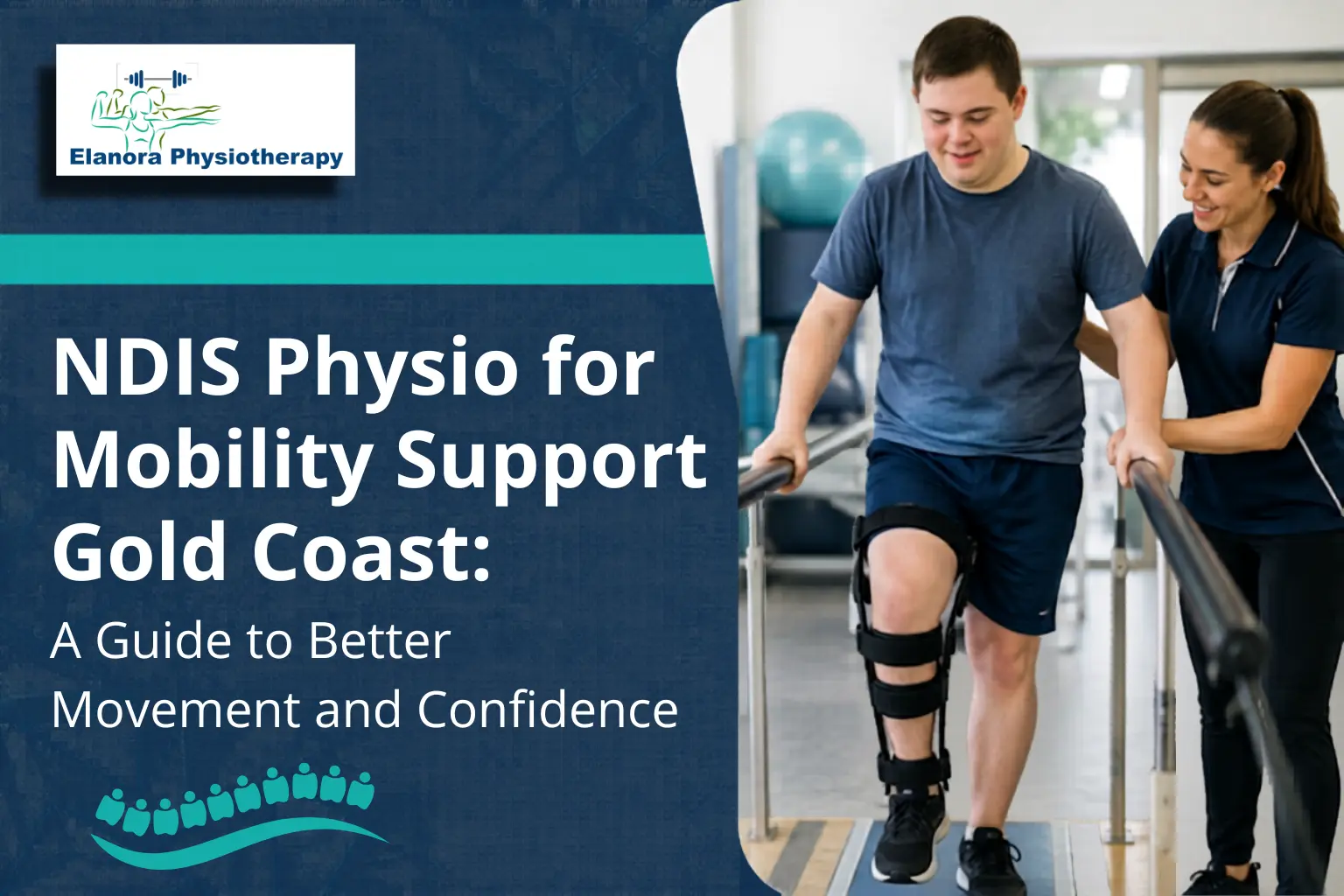
NDIS Physio for Mobility Support Gold Coast: A Guide to Better Movement and Confidence
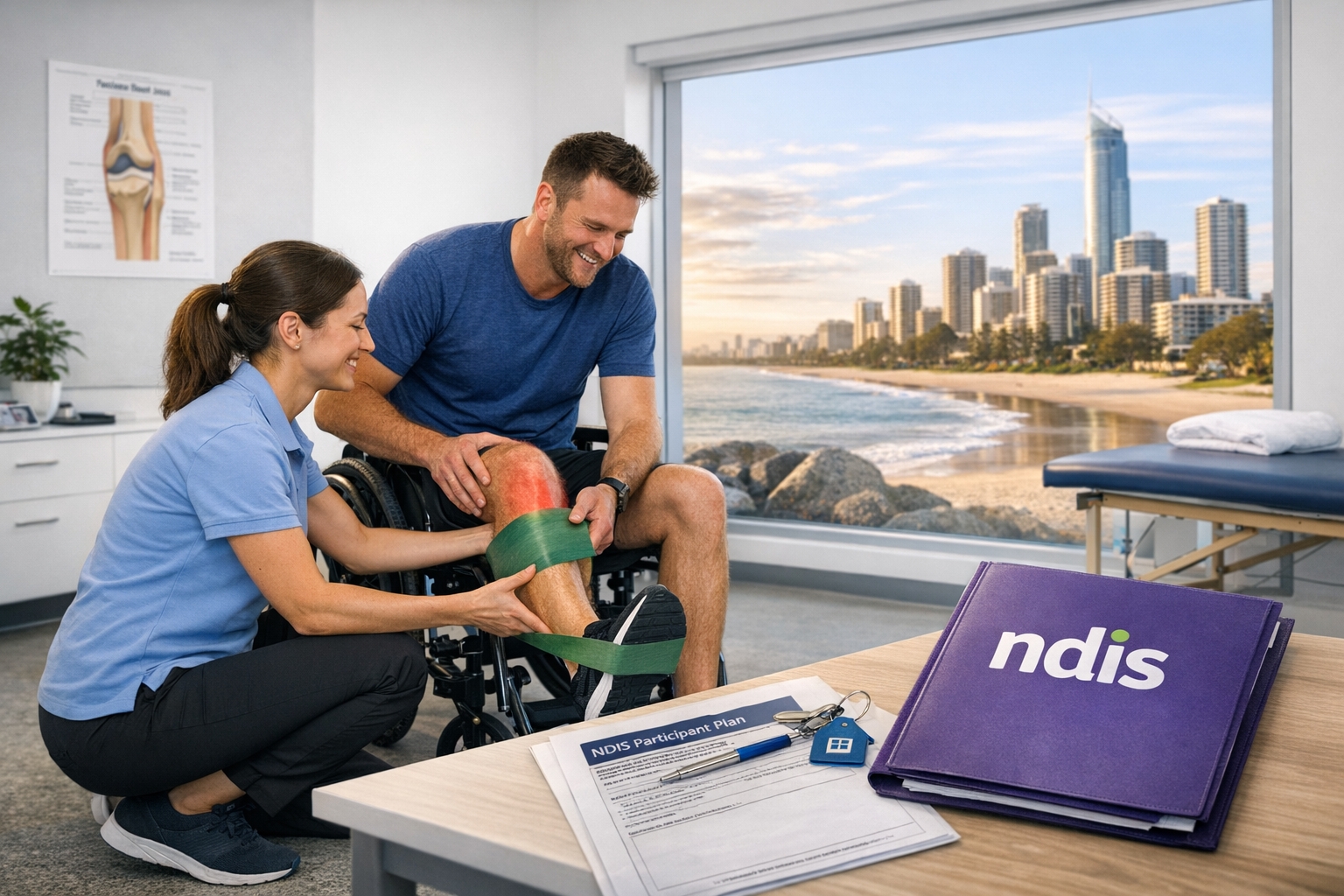
Finding the right support for movement, balance and everyday independence can make a real difference for NDIS participants and their families. At Elanora Physiotherapy, our team provides personalised care for people who need NDIS physiotherapy Gold Coast services focused on improving mobility, strength, confidence and daily function. Whether you are living with a disability, recovering from injury, managing a neurological condition or finding daily movement harder than it used to be, NDIS physio for mobility support can help you move with more safety and independence.
What Is NDIS Physio for Mobility Support?
NDIS physio for mobility support is physiotherapy care designed to help NDIS participants improve how they move, walk, stand, transfer and complete everyday activities. The goal is not only to treat pain or stiffness but also to support better function in real-life situations.
This may include help with walking, balance, muscle strength, falls prevention, coordination, posture, mobility aids and safe movement at home or in the community. In many cases, physiotherapy also supports confidence, helping participants feel more capable when moving around their home, attending appointments, joining social activities or completing daily tasks.
How NDIS Physiotherapy Helps Gold Coast Participants Move Better?
Every participant has different goals. Some people may want to walk further without fatigue. Others may need help getting out of a chair, climbing steps, improving balance or reducing their risk of falls. Because of this, NDIS physio for mobility support should always be tailored to the individual.
At Elanora Physiotherapy, treatment may begin with a detailed assessment of your movement, strength, balance, pain levels, mobility limitations and daily challenges. From there, your physiotherapist can create a practical plan that supports your goals and matches your NDIS needs.
Common Mobility Challenges NDIS Physio Can Support
Mobility challenges can affect people of all ages and abilities. Therefore, early support from a physiotherapist can help reduce complications, build strength and improve everyday safety.
Walking and Balance Difficulties
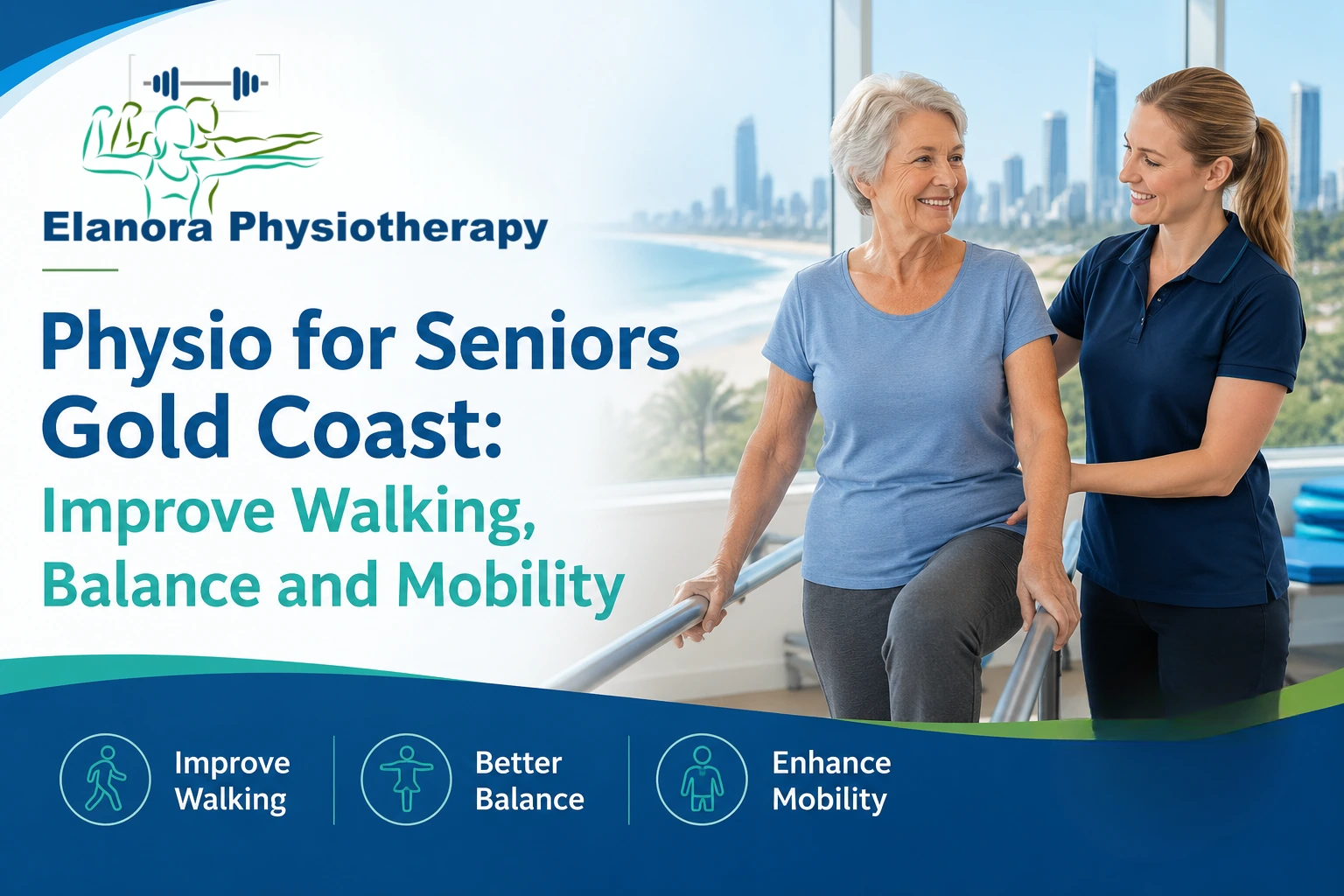
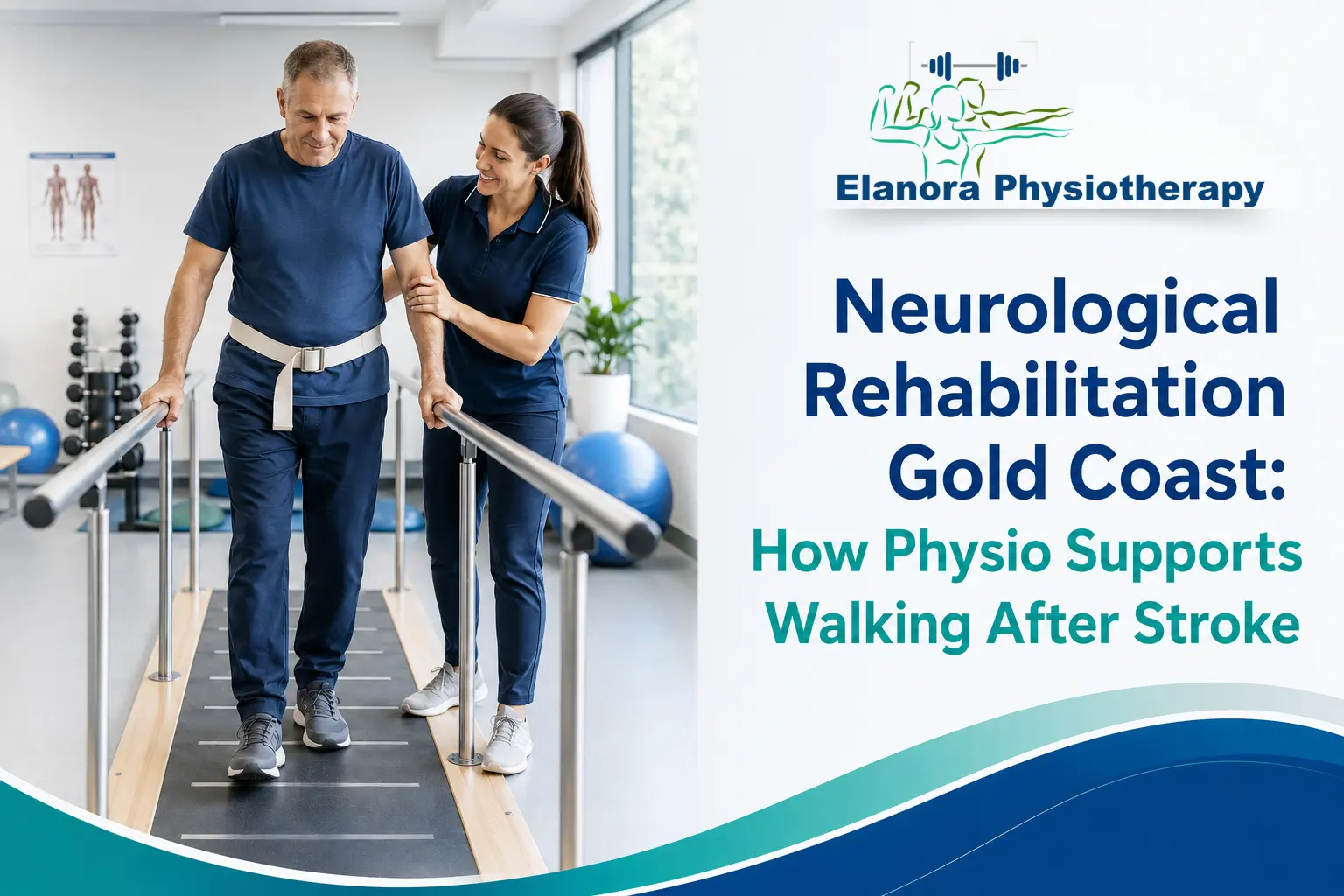
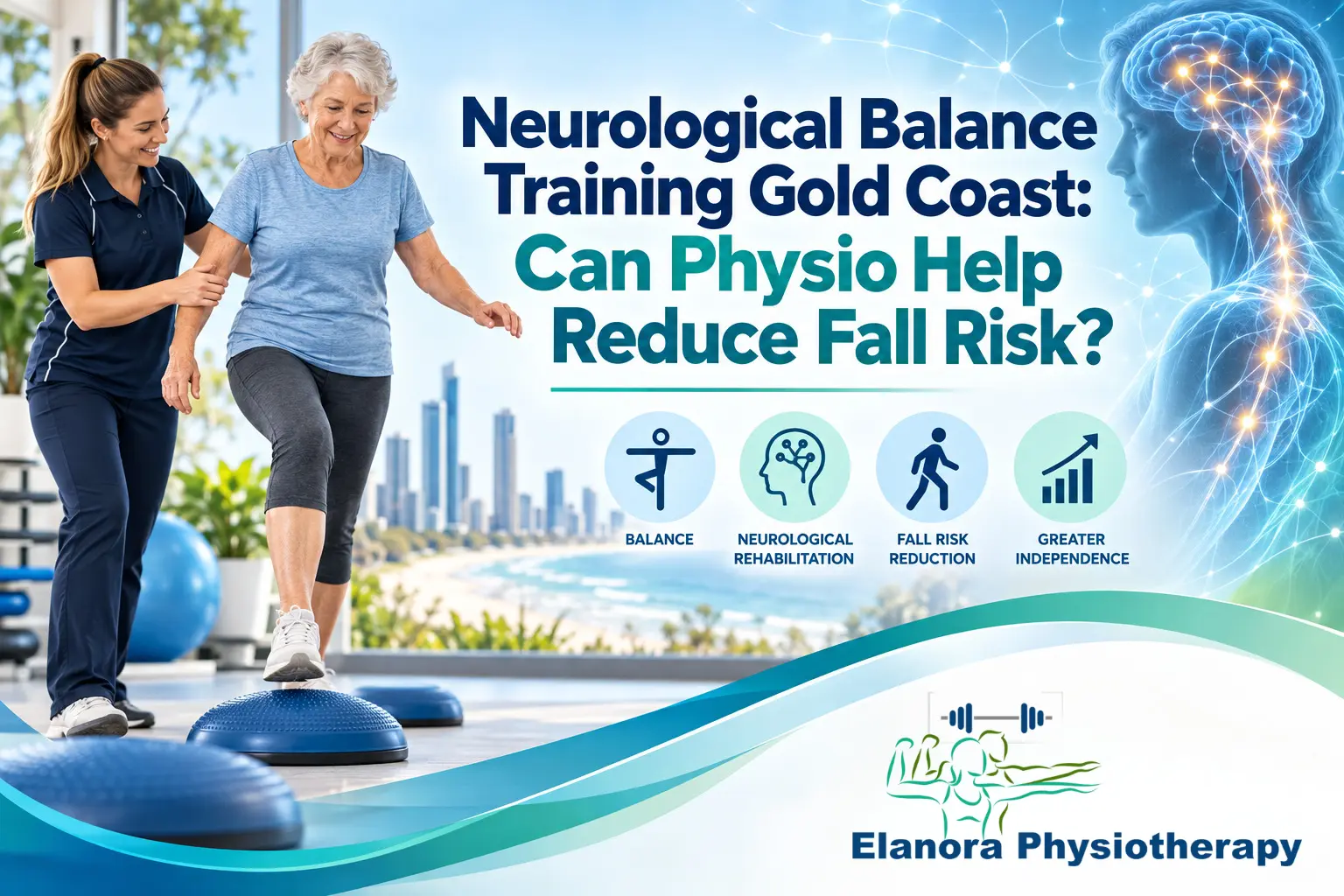
Many NDIS participants experience difficulty walking steadily, turning safely, standing for long periods or moving across uneven surfaces. NDIS physio for mobility support may include balance retraining, gait exercises, strengthening and movement practice to improve safety and control.
Falls Prevention and Safe Movement
Falls can reduce confidence and limit independence. Physiotherapy can help identify why falls are happening, such as weakness, poor balance, pain, reduced coordination or environmental risks. Then, a tailored program can help improve stability and reduce future risk.
Strength, Flexibility and Posture
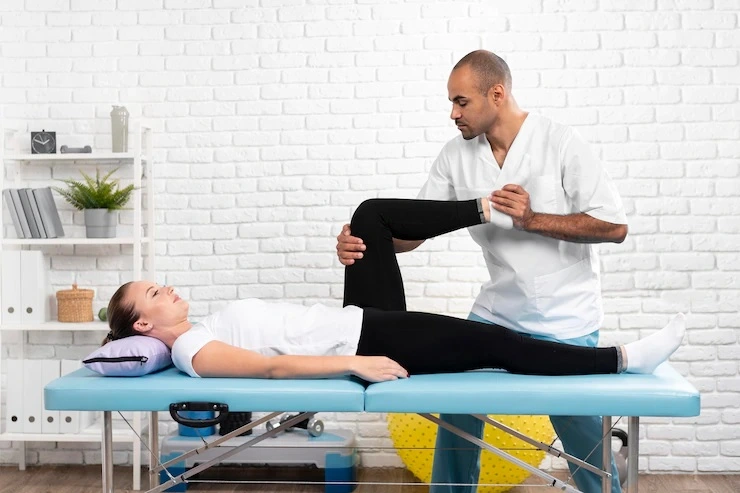
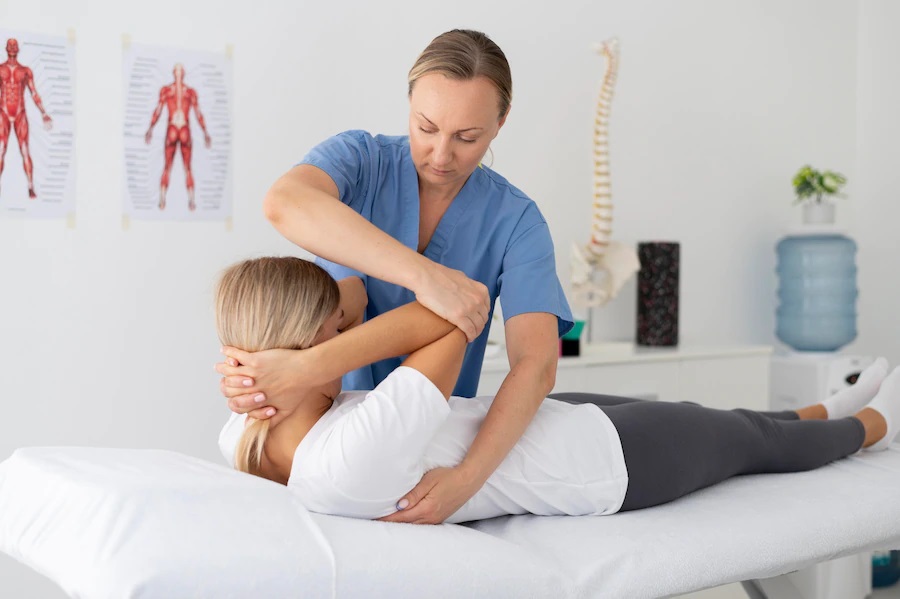
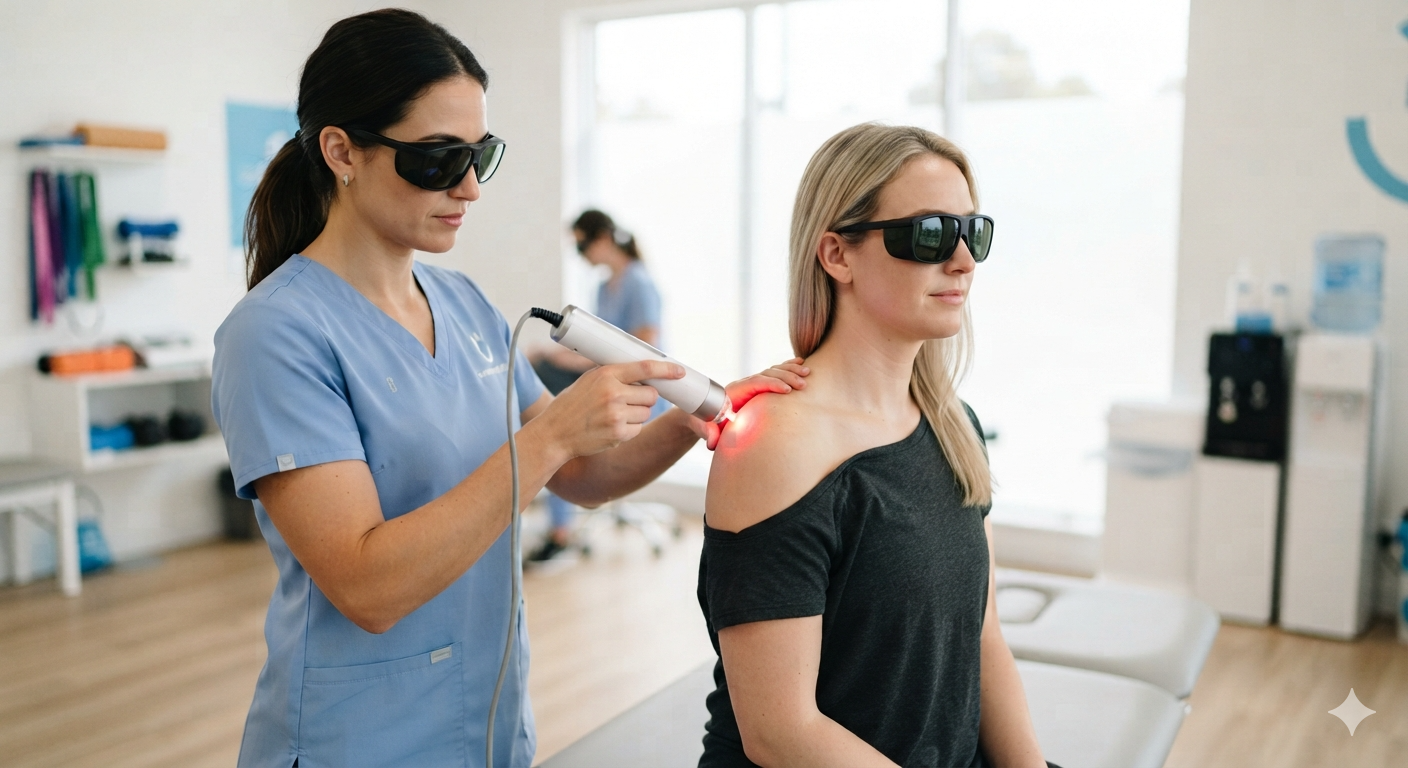
Weak muscles, tight joints and poor posture can make daily movement more difficult. Through guided exercises and hands-on support where suitable, NDIS physiotherapy can help improve strength, flexibility and posture for better function.
Mobility After Stroke, Injury or Neurological Conditions
People with stroke, Parkinson’s disease, multiple sclerosis, acquired brain injury, cerebral palsy, or spinal cord-related conditions may benefit from structured rehabilitation. NDIS physio for mobility support can assist with movement control, balance, walking patterns and functional independence.
Benefits of NDIS Physio for Mobility Support
Physiotherapy can support more than movement alone. It can also improve confidence, safety and participation in everyday life. With a structured plan, participants may experience better walking ability, improved strength, reduced pain, better balance and greater confidence with daily activities.
In addition, physiotherapy can help participants work towards NDIS goals such as improved independence, safer community access, better physical function, reduced reliance on support and greater participation in activities that matter to them.
What Happens During an NDIS Mobility Physiotherapy Session?
Your first session usually includes a conversation about your goals, current challenges, medical history, NDIS plan needs and daily routine. Your physiotherapist may assess walking, balance, strength, joint movement, pain, transfers and functional tasks.
After this, your treatment plan may include targeted exercises, balance training, mobility practice, education, pain management strategies, falls prevention advice and a home exercise program. Importantly, NDIS physio for mobility support should be practical, realistic and focused on what helps you in daily life.
Clinic-Based and Mobile NDIS Physiotherapy Options
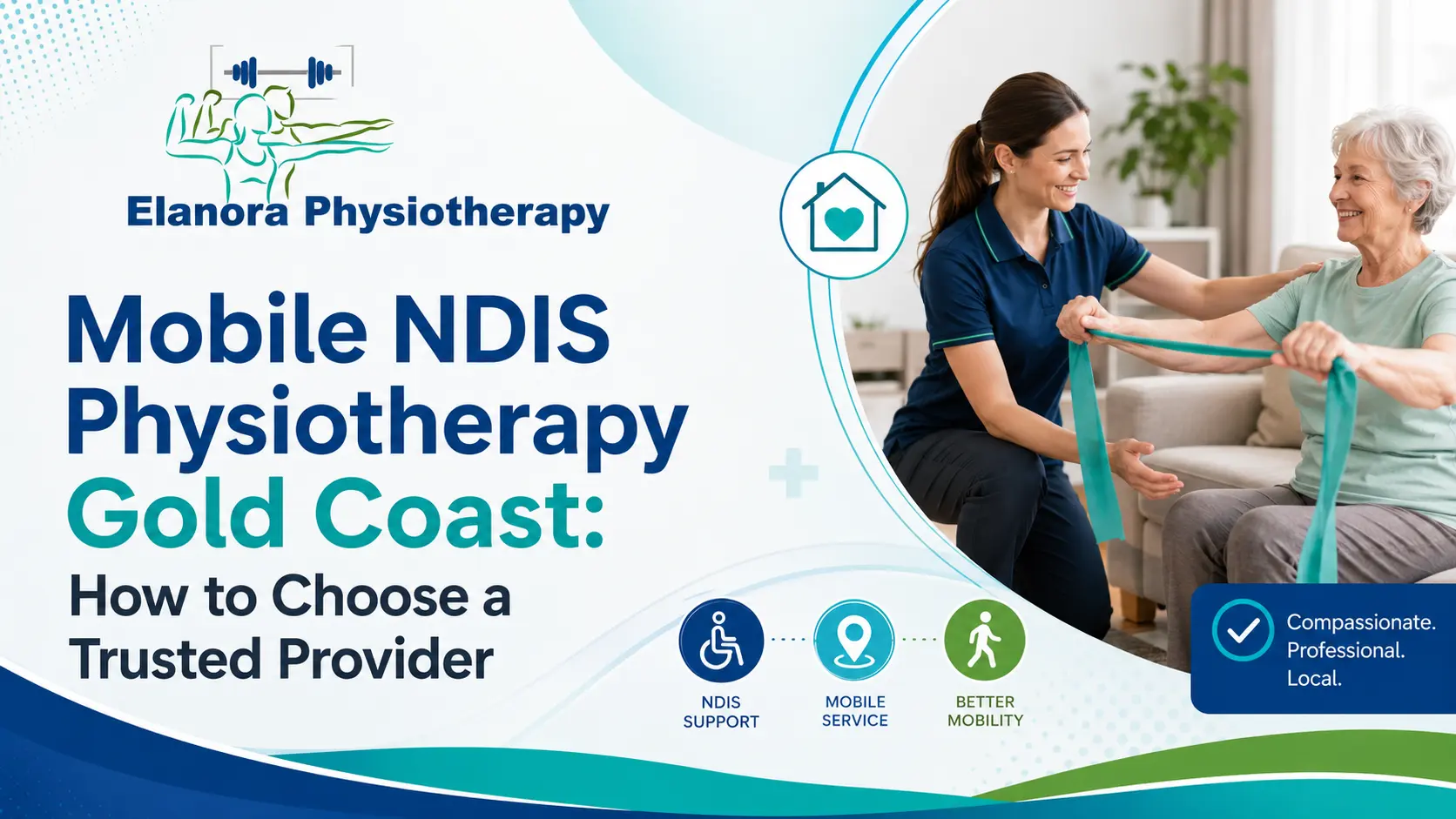
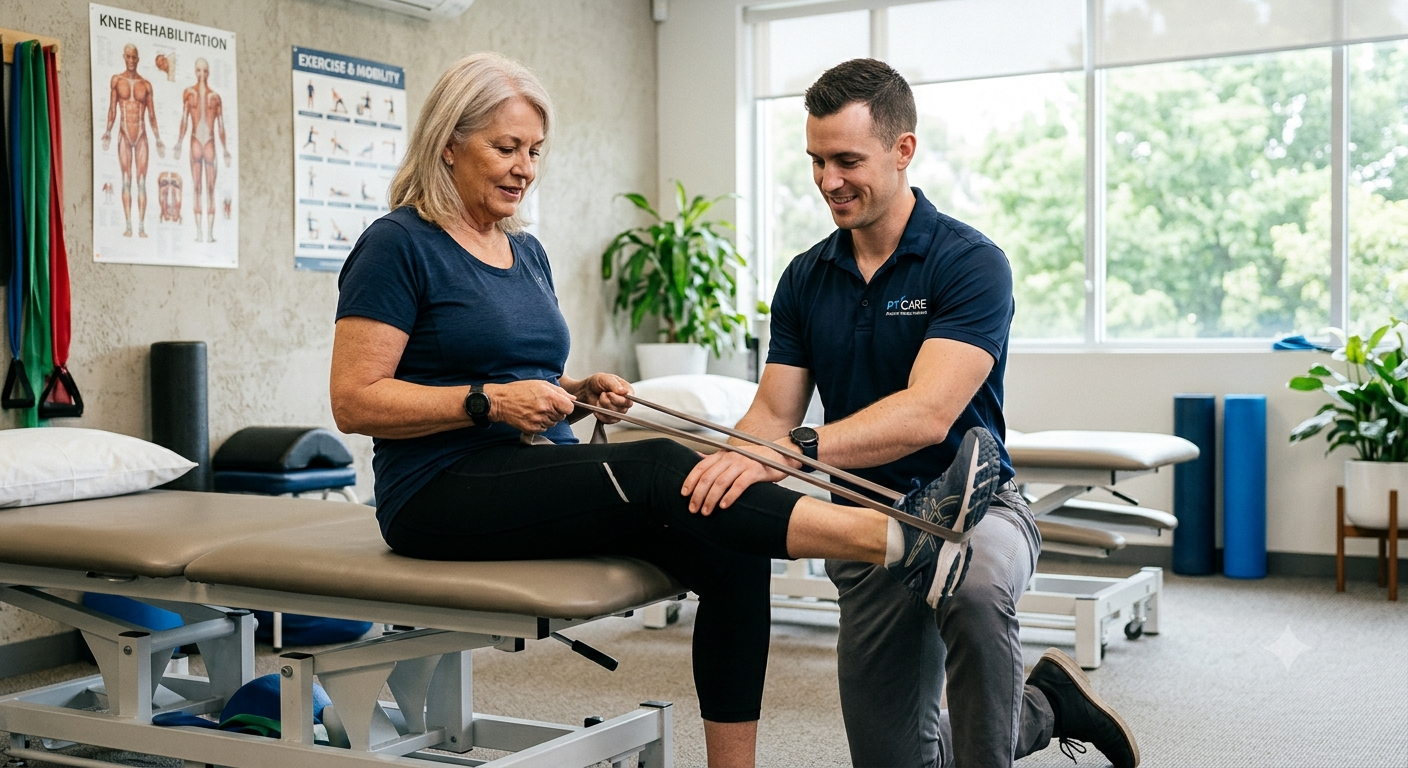
Some participants benefit from attending a clinic with access to equipment and guided rehabilitation. Others may need home-based support due to mobility limitations, transport challenges or functional goals within the home environment.
Elanora Physiotherapy supports people across the Gold Coast with care designed around individual needs. Depending on your situation, physiotherapy may focus on improving movement in the clinic, at home, or through a program that can be continued safely between sessions.
How NDIS Physiotherapy Supports Daily Independence?
Daily independence means different things to different people. For one person, it may mean walking safely to the bathroom. For another, it may mean joining family outings, returning to exercise, using stairs more confidently or moving around the community with less support.
That is why NDIS physio for mobility support is most effective when it is goal-focused. A physiotherapist can help break larger goals into achievable steps, monitor progress and adjust the plan as your strength, balance and confidence improve.
Who Can Benefit from NDIS Physio for Mobility Support?
This type of physiotherapy may benefit NDIS participants who experience reduced mobility, muscle weakness, balance problems, pain, fatigue, neurological symptoms, reduced coordination, falls risk or difficulty completing everyday movement tasks.
It may also help participants who need support after surgery, injury, illness or a change in physical function. Additionally, carers and family members can benefit from guidance on safe movement, transfers and strategies to support independence without increasing risk.
Why Choose Elanora Physiotherapy for NDIS Mobility Care?
Elanora Physiotherapy is based in Elanora and supports clients across the Gold Coast with personalised, evidence-informed physiotherapy care. Our approach focuses on understanding your goals, your daily environment and the physical barriers that may be limiting your movement.
Rather than using a one-size-fits-all plan, our physiotherapists aim to provide practical support that fits your needs. This may include strengthening, balance work, mobility training, functional rehabilitation, pain support and education to help you move with more confidence.
How to Get Started with NDIS Physiotherapy on the Gold Coast
If you are plan-managed or self-managed, you may be able to use your NDIS funding for physiotherapy when it relates to your disability needs and goals. Before starting, it is helpful to check your plan, understand your available funding and identify what mobility goals you would like to work towards.
From there, Elanora Physiotherapy can help guide your assessment and treatment plan, so your sessions are focused, practical and aligned with your movement needs. With consistent support, NDIS physio for mobility support can help you build better strength, safer movement and greater confidence over time.
If you or someone you support is looking for NDIS physiotherapy Gold Coast services, Elanora Physiotherapy is here to help. Our team provides caring, personalised and goal-focused physiotherapy for mobility, balance, strength, pain management and daily independence. Contact us today to discuss how NDIS physio for mobility support can help you move better, feel safer and live with more confidence across the Gold Coast.