






















Expert Hamstring Injury Physio Gold Coast: Symptoms, Causes and Treatment
A hamstring strain can stop you mid-run, limit everyday movement and make returning to sport feel uncertain. With targeted sports injury physiotherapy Gold Coast athletes can receive a clear diagnosis, a personalised recovery plan and practical guidance for rebuilding strength safely. Working with an experienced hamstring injury physio Gold Coast service can also reduce guesswork and help you progress according to your function rather than relying on a fixed recovery date.
What Is a Hamstring Injury?
The hamstrings are a group of three muscles running along the back of the thigh. They help bend the knee, extend the hip and control the leg during running, jumping, kicking and rapid changes of direction. A hamstring strain occurs when muscle or tendon fibres are overloaded, overstretched or torn.
Injuries range from a mild strain involving a small number of fibres to a severe tear that causes major weakness, bruising and loss of function. A hamstring injury physio Gold Coast assessment helps establish the likely severity, location and functional impact of the injury before rehabilitation begins.
Common Hamstring Injury Symptoms
Symptoms vary according to the type and severity of the injury. However, common signs include sudden pain at the back of the thigh, tenderness, tightness, weakness, swelling, bruising and difficulty walking or running. Some people report a popping or tearing sensation at the moment of injury.
A mild strain may feel like tightness or a local ache, while a moderate injury may cause a limp and pain when bending the knee or stretching the leg. A severe tear can make weight-bearing difficult and may create extensive bruising.
An appointment with a hamstring injury physio Gold Coast practitioner is particularly important when pain is intense, walking is limited or symptoms are not settling. Early hamstring injury physio Gold Coast care may also help you avoid unhelpful self-testing or an overly rapid return to training.
What Causes a Hamstring Strain?
Hamstring injuries commonly occur when the muscle must produce force while lengthening. This can happen during sprinting, acceleration, deceleration, kicking or reaching the leg into an extended position. Football, rugby, athletics, netball, dancing and court sports can all place high demands on the hamstrings.
Fatigue, sudden increases in training load, inadequate preparation for high-speed running and reduced strength may also contribute. Previous hamstring injury is another important consideration because the muscle may remain vulnerable if strength, running capacity and confidence were not fully restored.
A thorough hamstring injury physio Gold Coast evaluation considers more than the painful area. It may also review hip and knee movement, trunk control, training history, sporting demands, strength differences and the exact mechanism of injury.
Hamstring Injury Grades and Severity
Grade 1 Hamstring Strain
A grade 1 injury is usually mild. There may be local pain or stiffness, but walking is often possible and strength loss is limited. Even so, returning to sprinting too early may aggravate the injury and delay recovery.
Grade 2 Hamstring Strain
A grade 2 injury involves a partial tear. Pain, swelling, bruising and weakness are usually more noticeable, and walking or running may be restricted. Rehabilitation generally requires a carefully staged strengthening and running program.
Grade 3 Hamstring Tear
A grade 3 injury is a severe or complete tear. It may cause substantial swelling, bruising, loss of strength and difficulty walking. Medical review and imaging may be required, especially when a complete tear or tendon avulsion is suspected.
A hamstring injury physio Gold Coast clinician can identify concerning features and arrange further medical investigation or referral when appropriate.
How a Hamstring Injury Physio Gold Coast Assessment Works?
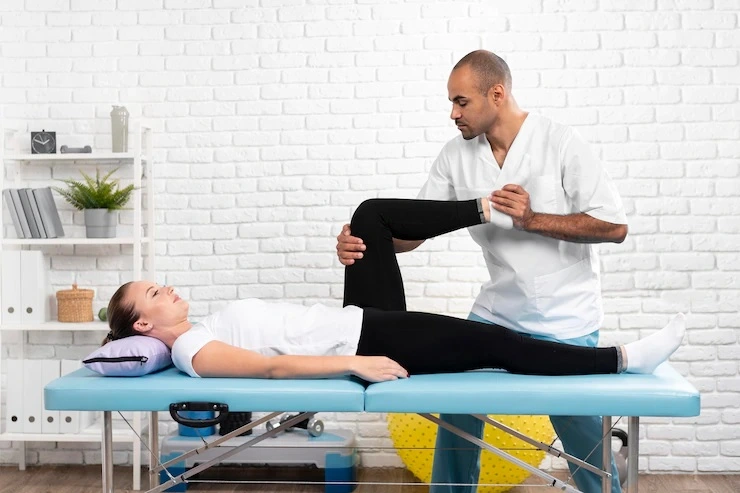
An effective assessment begins with questions about how the injury happened, where the pain is located, whether a pop was felt and what activities are currently limited. The physical examination may then assess tenderness, range of movement, knee-flexor strength, walking, balance and functional tasks.
For athletes, testing should reflect the demands of their sport. That may include jogging, acceleration, deceleration, jumping, cutting or sprinting as rehabilitation progresses. Imaging is not automatically needed for every strain, but it may be recommended for severe, unusual or persistent symptoms.
By establishing objective starting points, a hamstring injury physio Gold Coast treatment plan can be adjusted according to measurable progress rather than pain alone.
Hamstring Injury Treatment and Rehabilitation
Early Protection and Symptom Management
During the early stage, the priority is to avoid movements that clearly worsen pain while maintaining safe activity where possible. Complete rest is not always the best long-term strategy. Instead, treatment should protect the injured tissue, manage symptoms and introduce suitable movement according to tolerance.
A hamstring injury physio Gold Coast appointment can help determine which activities are safe, how much walking is appropriate and when strengthening should begin. Advice about medication should come from a GP or pharmacist, particularly when other health conditions or medications are involved.
Progressive Hamstring Strengthening
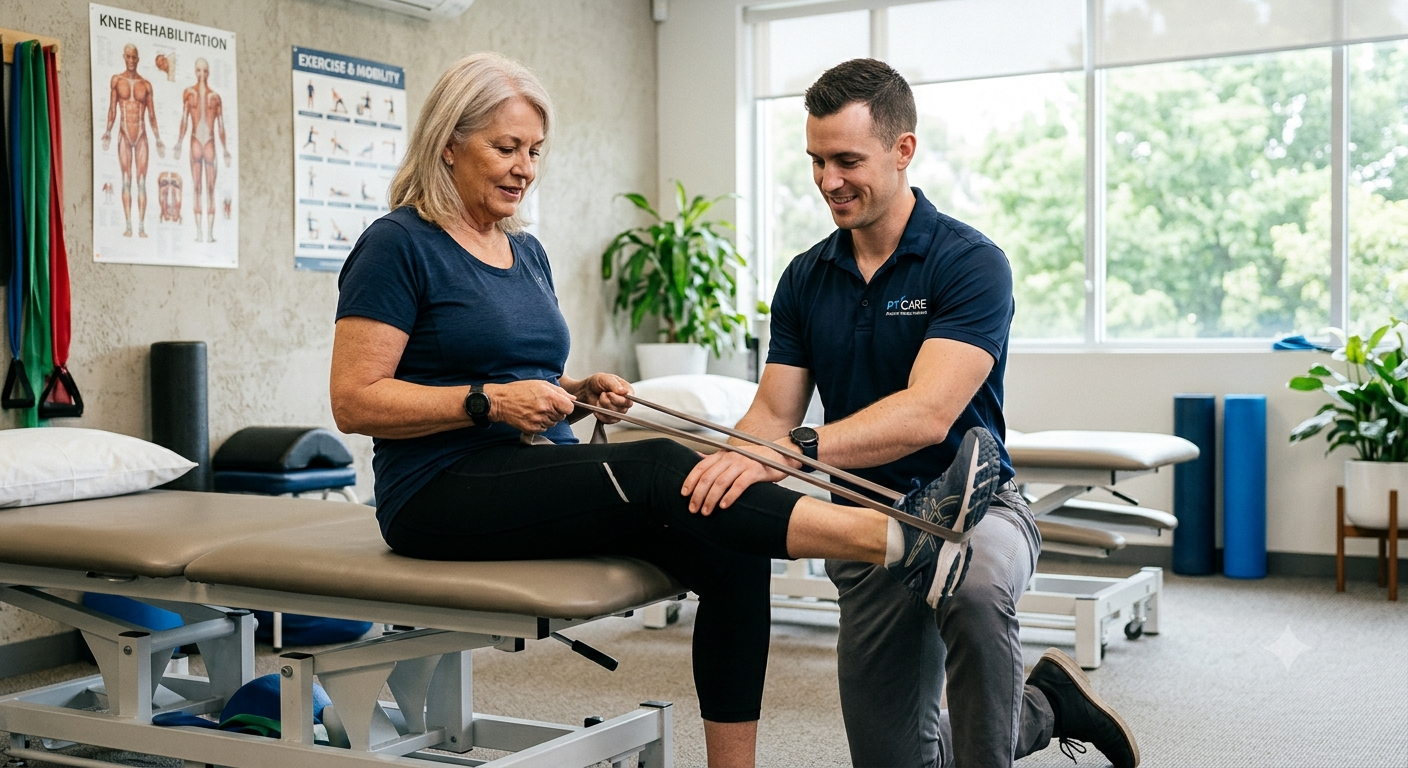
Strength exercises are central to hamstring rehabilitation. Early exercises may include pain-tolerated isometric contractions, bridges or controlled knee-flexion movements. As capacity improves, resistance, range and speed can be gradually increased.
Eccentric training, where the hamstrings produce force while lengthening, is often included because it prepares the muscles for running and high-speed sporting actions. However, exercises such as Nordic hamstring curls should be introduced at the appropriate stage and matched to the individual.
A hamstring injury physio Gold Coast program should also consider gluteal strength, calf capacity, trunk control, balance and single-leg function. Addressing these areas can help restore complete lower-limb performance rather than treating only the painful muscle.
Running and Sport-Specific Reconditioning
Returning to running should be gradual. Rehabilitation may progress from comfortable walking to jogging, steady running, controlled accelerations and eventually higher-speed efforts. Distance, speed and change-of-direction demands should increase systematically.
A well-designed hamstring injury physio Gold Coast program will also include sport-specific drills. A footballer may need kicking and repeated sprint preparation, while a netballer may require landing, cutting and acceleration work. This stage helps bridge the gap between basic strength exercises and genuine match readiness.
How Long Does Hamstring Recovery Take?
Recovery time varies widely. A mild strain may improve within several weeks, while a larger tear or tendon-related injury may require considerably longer. The location of pain, injury severity, previous strains, time to pain-free walking and functional strength can all influence the return-to-sport timeline.
Therefore, calendar-based clearance can be misleading. A hamstring injury physio Gold Coast clinician should assess pain, strength, movement quality, running tolerance and sport-specific performance before recommending unrestricted participation.
Trying to return before these abilities are restored can increase the risk of aggravation or reinjury.
When Is It Safe to Return to Sport?
A safe return is based on measurable criteria rather than one symptom or a single test. The athlete should be able to complete progressive running and sport-specific tasks without a meaningful increase in pain. Strength should be restored to an appropriate level, while confidence during high-speed movement should also be considered.
Returning before rehabilitation is complete may increase the likelihood of another strain. For that reason, hamstring injury physio Gold Coast care should include a staged return to training, monitored exposure to speed and a plan for maintaining strength after competition resumes.
The final stages of rehabilitation should reflect real sporting demands. This may involve repeated sprints, kicking, jumping, rapid acceleration, direction changes or performing skills while fatigued.
Preventing Future Hamstring Injuries
Prevention should address the demands that caused the original injury. Helpful strategies may include regular hamstring strengthening, exposure to high-speed running, progressive training-load changes, structured warm-ups and exercises for trunk, hip and lower-limb control.
The Nordic hamstring exercise may form part of a prevention program, but it should not be the only strategy. Training should also reflect the athlete’s sport, playing position, weekly schedule and injury history.
Ongoing hamstring injury physio Gold Coast support can help athletes build a realistic maintenance program and recognise early warning signs before they become a major setback. Your rehabilitation and prevention plan should evolve as your sport, workload and performance goals change.
Do not let recurring hamstring pain continue limiting your training, work or everyday movement. Elanora Physiotherapy provides individualised assessment, hands-on treatment and exercise-based rehabilitation for active people across the Gold Coast. Get in touch with our team for expert hamstring injury physio Gold Coast care and practical sports injury physiotherapy Gold Coast support designed to help you restore strength, return to activity and move forward with confidence.