








Types of Physiotherapy Services Gold Coast: A Complete Guide to Choosing the Right Care
Searching for physiotherapy services Gold Coast residents can trust often begins with a simple question: which type of care is right for my condition? The answer depends on your symptoms, health history, lifestyle and recovery goals. Understanding the types of physiotherapy services Gold Coast clinics provide can help you make a more informed choice, whether you are managing an injury, persistent pain, reduced mobility or recovery after surgery.
Physiotherapy is not a one-size-fits-all treatment. A thorough assessment may consider your movement, strength, balance, flexibility, pain behaviour and ability to complete everyday tasks. From there, a physiotherapist can recommend an individual plan that may include hands-on treatment, education, exercise rehabilitation and strategies to support long-term function. This guide compares the types of physiotherapy services Gold Coast patients may consider at different stages of recovery.
What Are the Main Types of Physiotherapy Services Gold Coast Patients Can Access?
The main types of physiotherapy services Gold Coast patients may access include musculoskeletal physiotherapy, sports injury rehabilitation, workplace injury care, pre- and post-surgery rehabilitation, chronic pain management, neurological physiotherapy, mobile physiotherapy, telehealth, NDIS physiotherapy and supervised exercise rehabilitation.
Although these services have different purposes, they often overlap. For example, someone recovering from knee surgery may need pain management, strength training, balance work and a gradual return-to-activity program. Therefore, the right service should be based on a clinical assessment rather than the name of the condition alone.
Musculoskeletal Physiotherapy for Pain and Movement Problems
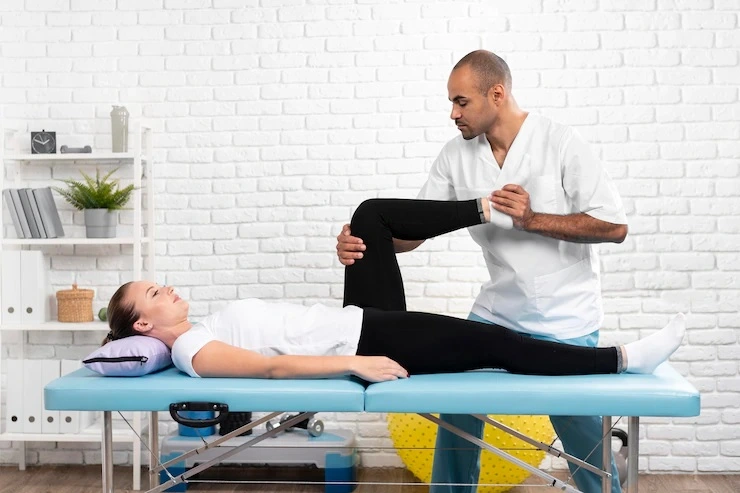
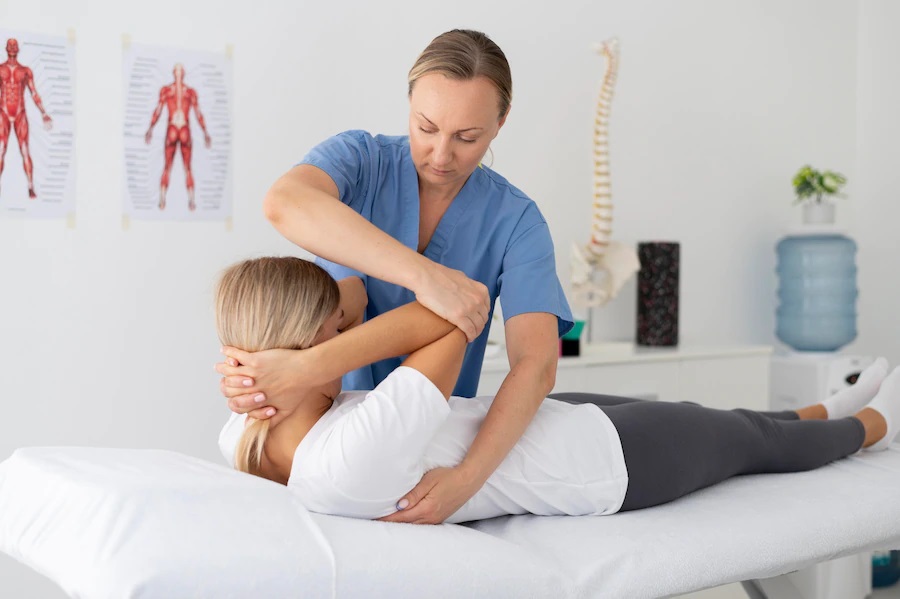
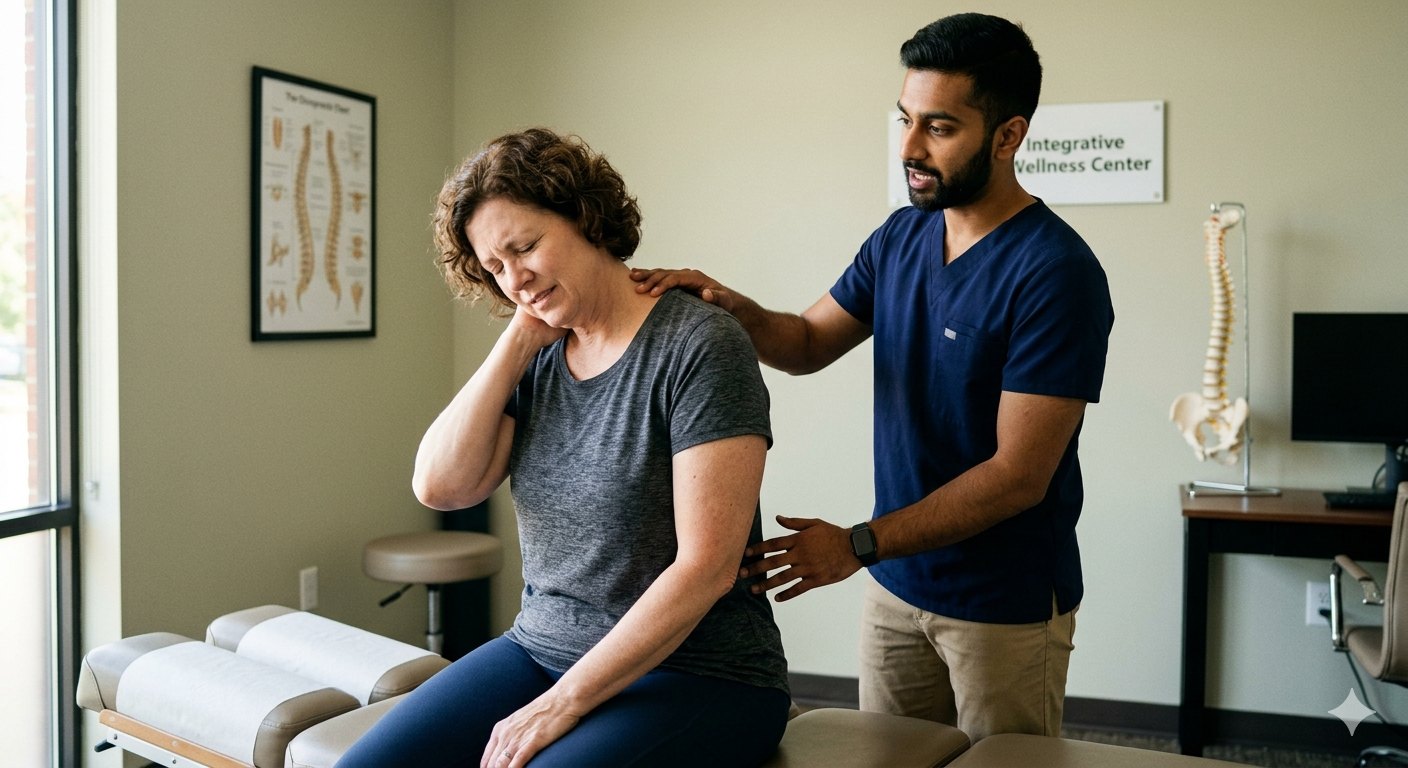
Musculoskeletal physiotherapy focuses on muscles, joints, tendons, ligaments and other structures involved in movement. It may be suitable for back pain, neck pain, shoulder problems, joint stiffness, sprains, strains and overuse conditions.
Among the types of physiotherapy services Gold Coast residents commonly consider, musculoskeletal care is one of the broadest. Treatment may include movement assessment, manual therapy where appropriate, progressive exercises, load management and practical advice for work, home or recreation.
When Might Musculoskeletal Physiotherapy Help?
Consider an assessment when pain affects your sleep, work, exercise or daily movement, when stiffness is not improving, or when an injury keeps returning. Early guidance may also help you understand which activities are suitable and how to rebuild your physical capacity gradually.
Sports Physiotherapy and Return-to-Activity Rehabilitation
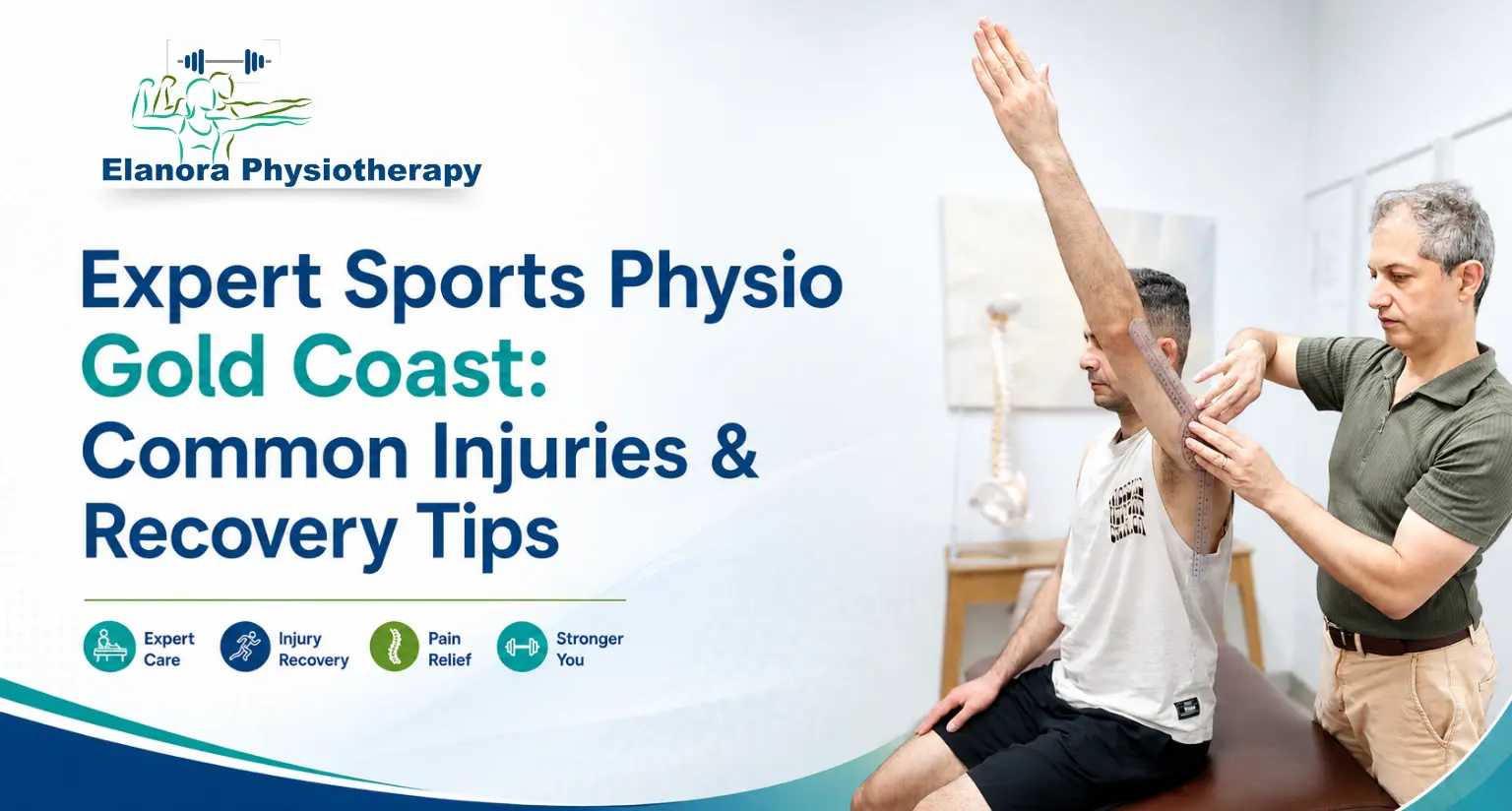
Sports physiotherapy supports recreational athletes, active adults and competitive players with acute injuries, overuse problems and return-to-sport planning. You do not need to be an elite athlete to benefit. Instead, the aim is to understand the physical demands of your activity and prepare your body to meet them safely.
Of all the types of physiotherapy services Gold Coast communities use, sports rehabilitation often requires clear progression. Care may move from symptom management and mobility work to strength, power, running, jumping or sport-specific drills.
Return-to-sport decisions should consider function and confidence, not only whether pain has eased. When reviewing the types of physiotherapy services Gold Coast athletes can access, look for rehabilitation that reflects the demands of your chosen sport.
Work Injury Physiotherapy and Occupational Rehabilitation
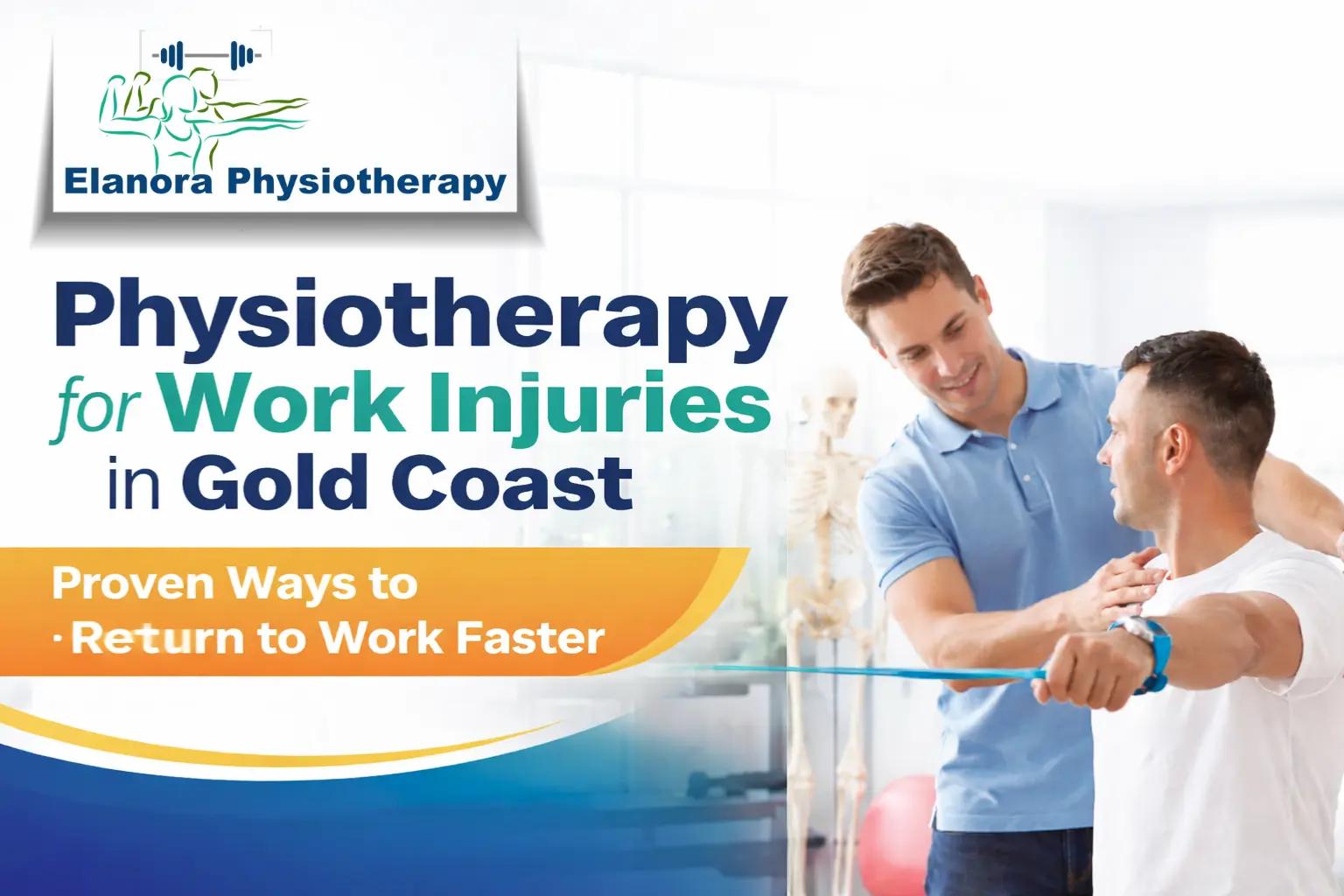
Work-related injuries can develop suddenly or build over time. Common concerns include lifting injuries, repetitive strain, joint pain and reduced tolerance for sitting, standing or manual tasks.
Work injury physiotherapy may focus on restoring movement, strength and task capacity while helping the patient understand suitable activity levels. Within the types of physiotherapy services Gold Coast workers can choose, occupational rehabilitation is especially useful when treatment needs to reflect real job demands.
Eligible patients may also require care that is coordinated with a GP, insurer, employer or rehabilitation provider. Clear communication and progressive rehabilitation can help ensure that recovery goals remain relevant to the person’s duties.
Pre- and Post-Surgery Physiotherapy
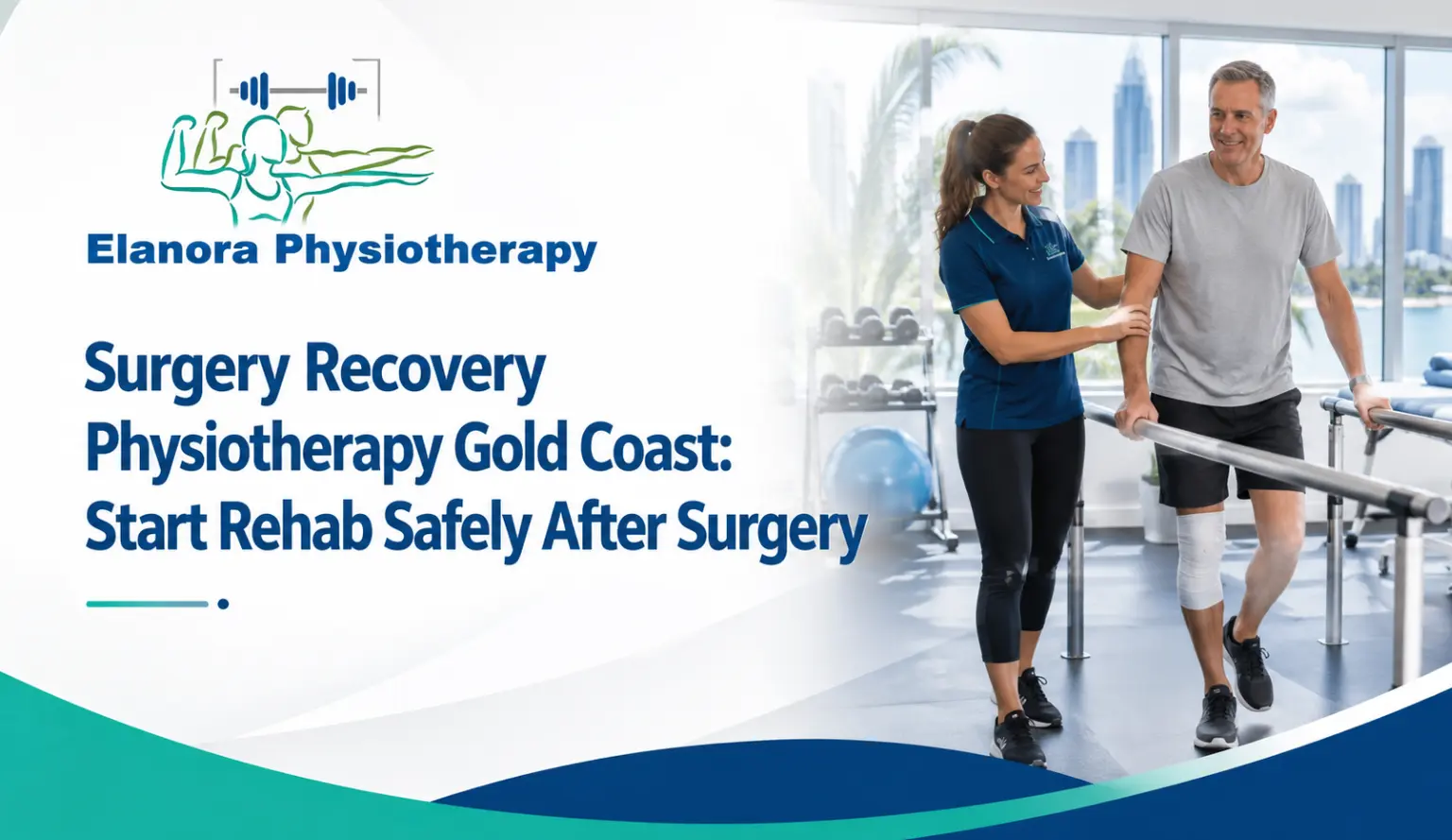
Physiotherapy before surgery may help a person understand the recovery process and improve strength, mobility and confidence where appropriate. After surgery, rehabilitation can support the gradual restoration of movement and function in line with the surgeon’s guidance.
These types of physiotherapy services Gold Coast patients seek may be relevant after orthopaedic procedures such as joint replacement, ligament repair or other musculoskeletal surgery. A program should be adapted to the operation, healing stage, precautions and personal goals.
Progress is usually reviewed over time rather than based on a fixed schedule for everyone. Therefore, rehabilitation exercises and activity levels may change as movement, strength and function improve.
Chronic Pain Physiotherapy and Long-Term Condition Management
Persistent pain can affect movement, sleep, work, mood and confidence. Chronic pain physiotherapy generally takes a broader approach than simply treating one painful area. It may include education, pacing, graded exercise, strength work and strategies for returning to meaningful activities.
When comparing types of physiotherapy services, Gold Coast patients should look for care that recognises the individual nature of persistent pain. Improvement may involve better function, increased activity tolerance or greater confidence, even when symptoms do not disappear immediately.
A personalised approach is especially important because persistent pain can be influenced by physical demands, previous injuries, health conditions, sleep, stress and reduced activity. Consequently, treatment should focus on realistic goals that matter to the individual.
Neurological Physiotherapy for Mobility, Balance and Function
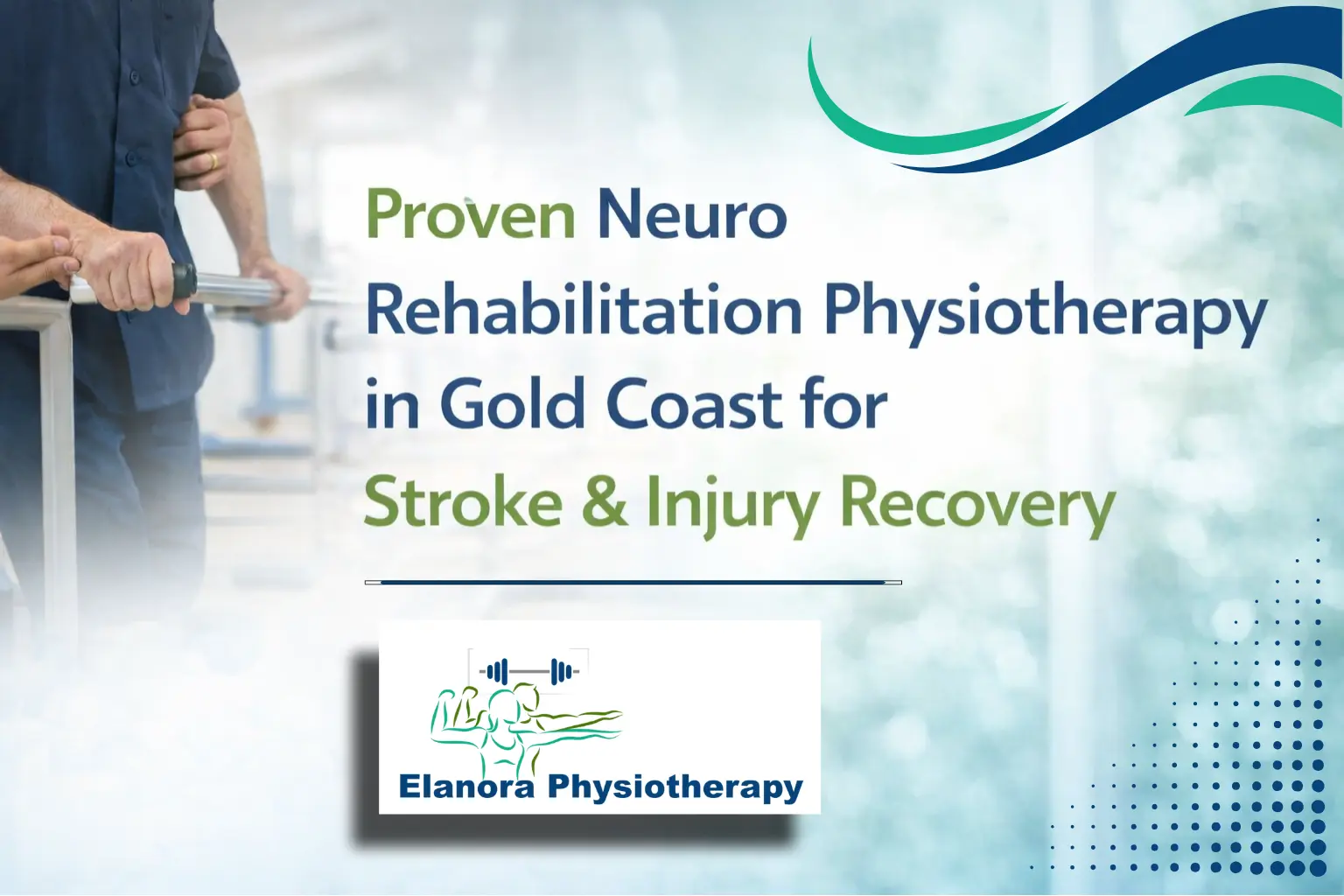
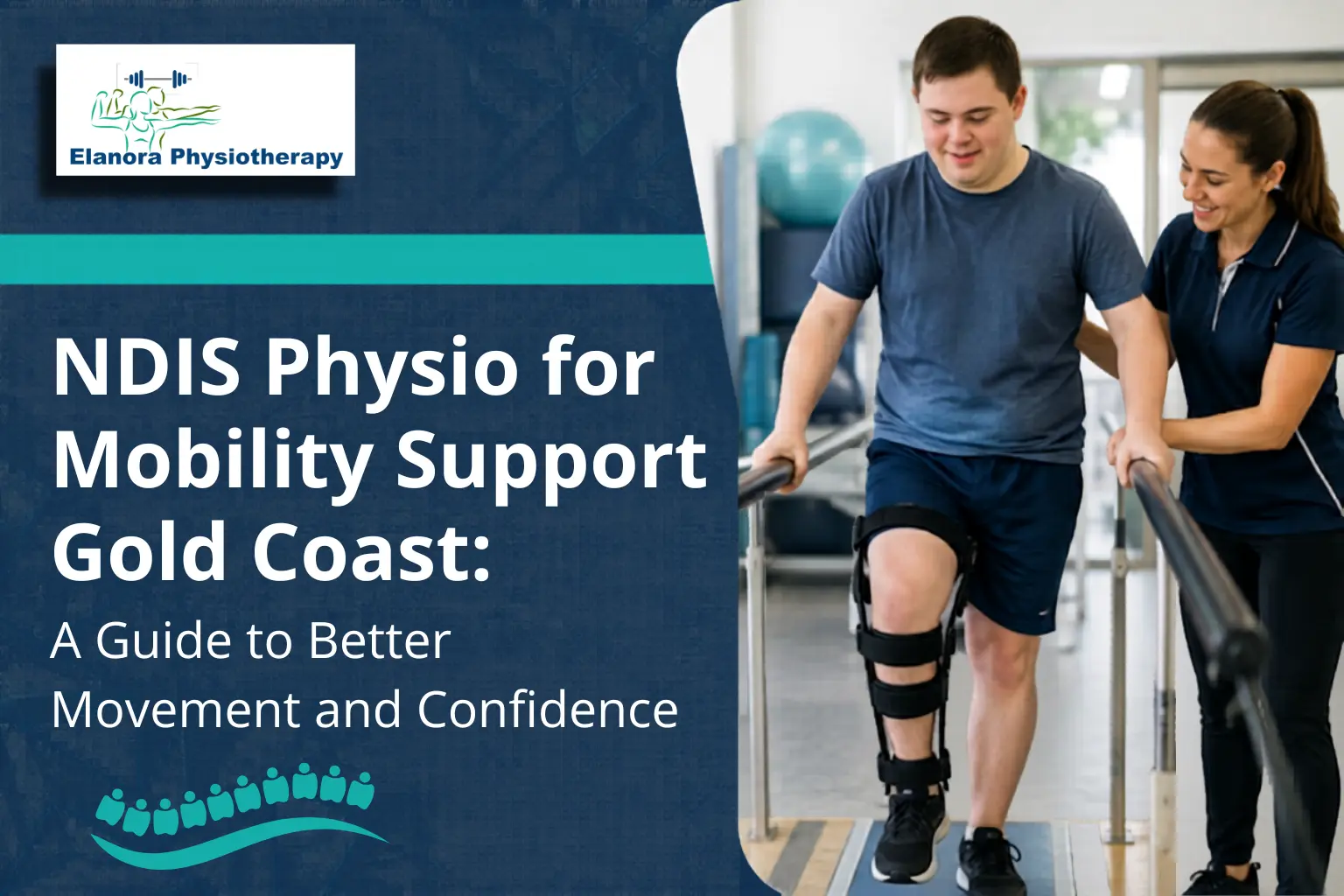
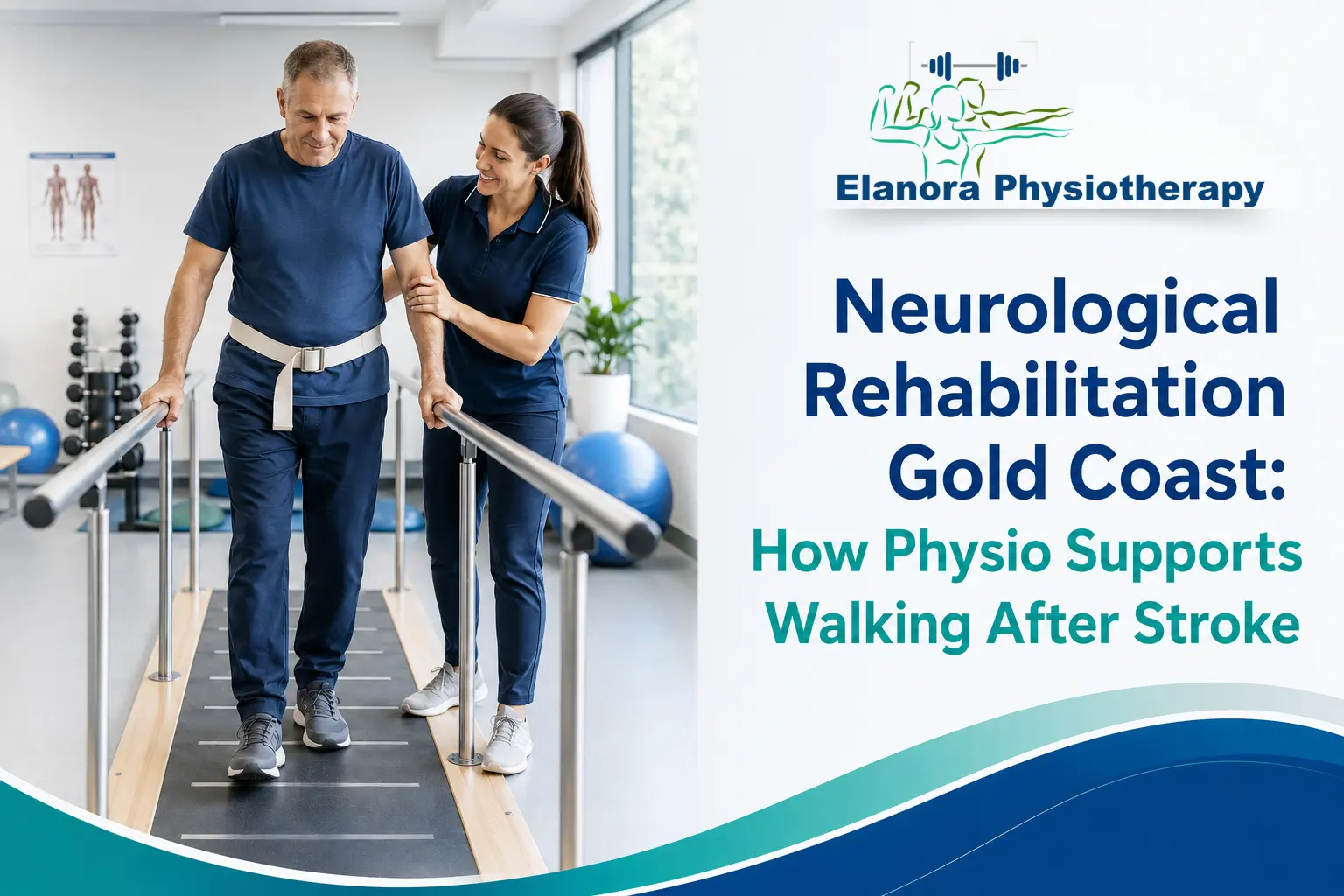
Neurological physiotherapy supports people whose movement is affected by the brain, spinal cord or nerves. Depending on the person’s condition, therapy may address walking, balance, coordination, strength, posture, transfers and everyday independence.
Among the specialised types of physiotherapy services Gold Coast families may need, neurological rehabilitation often benefits from consistent, goal-based practice. Programs should reflect the person’s diagnosis, current abilities, fatigue levels, home environment and priorities.
For example, one person may want to improve walking confidence, while another may focus on transferring safely, managing stairs or completing household activities. As a result, neurological rehabilitation should remain practical and connected to everyday life.
Mobile Physiotherapy and Home-Based Care
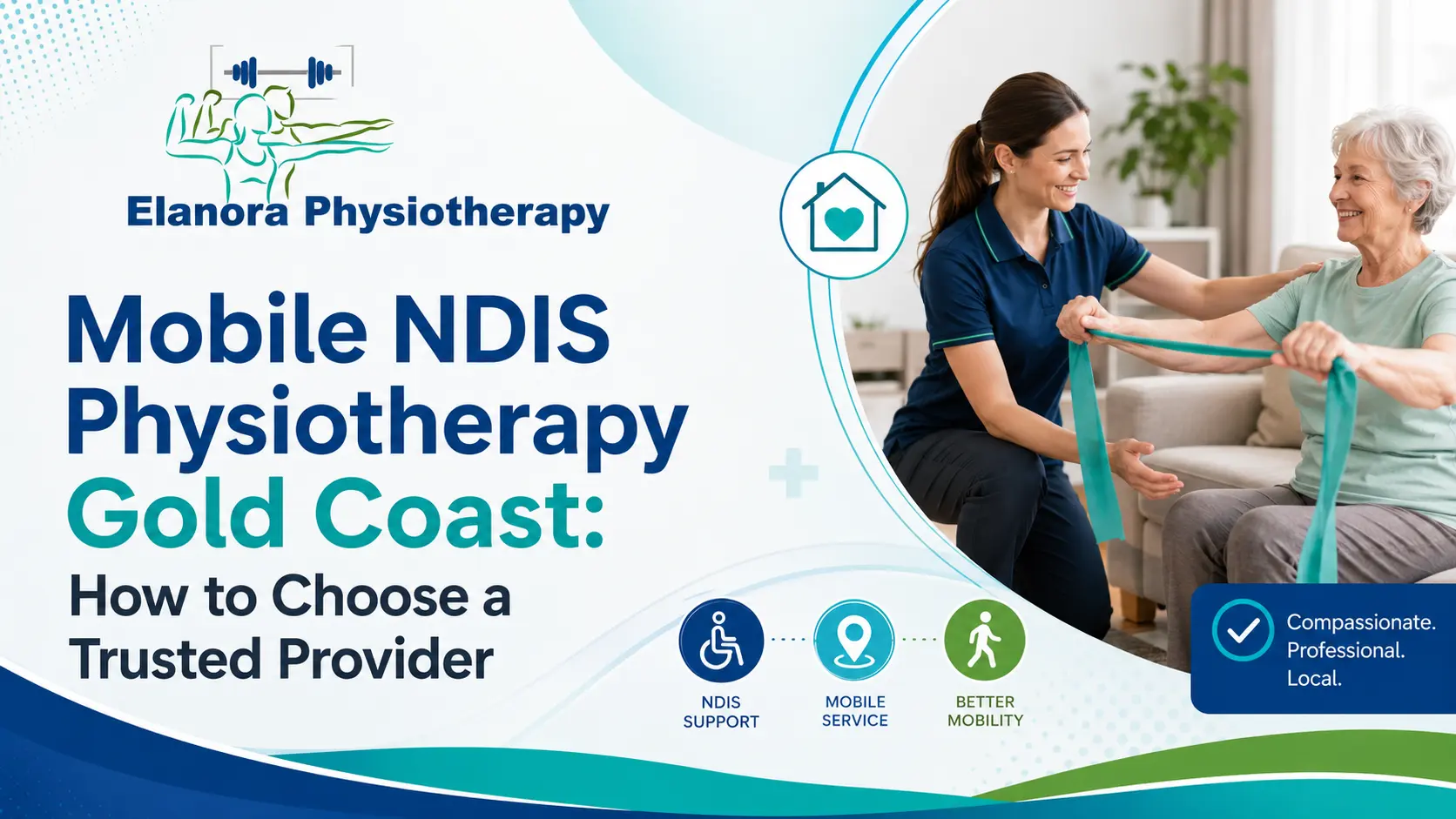
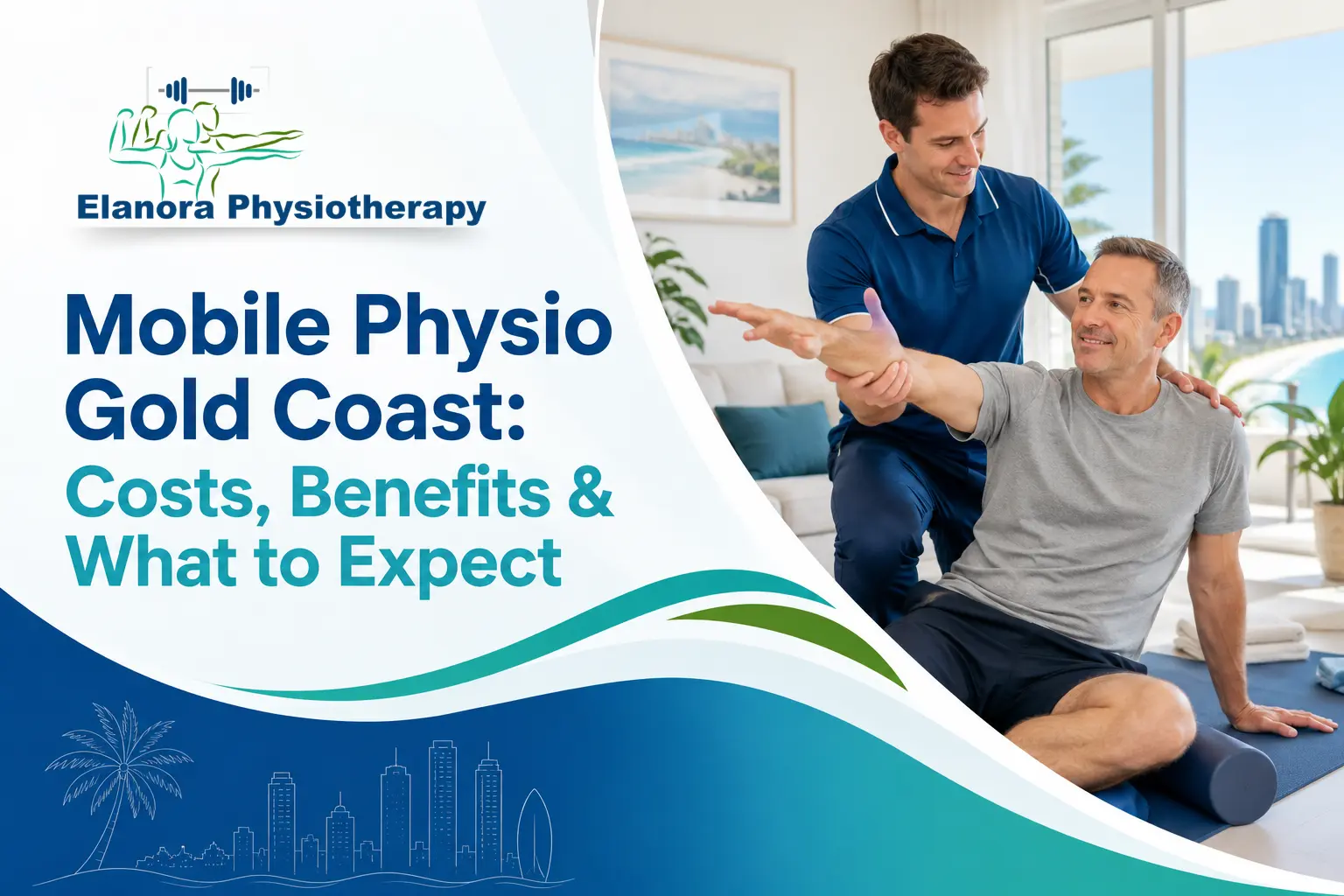
Mobile physiotherapy brings assessment and rehabilitation to the patient’s home. It may suit people who have difficulty travelling, are recovering after surgery, have reduced mobility or feel safer practising functional tasks in their usual environment.
This option expands access to the types of physiotherapy services Gold Coast residents can receive. A home visit may include mobility practice, strengthening, balance exercises, falls-prevention strategies, pain-management advice and a personalised home program.
Suitability depends on the person’s needs and the provider’s service area. For patients with travel or mobility barriers, the types of physiotherapy services Gold Coast providers deliver at home can make ongoing rehabilitation more accessible.
Telehealth Physiotherapy for Convenient Online Support
Telehealth allows patients to speak with a physiotherapist through an online consultation. It can be useful for exercise reviews, education, movement guidance and progress checks when attending the clinic is difficult.
Telehealth is one of the flexible types of physiotherapy services Gold Coast patients may combine with in-person care. It may also help patients maintain continuity when travelling, managing a busy schedule or needing additional guidance between clinic appointments.
However, some conditions require physical examination or hands-on assessment. Therefore, the physiotherapist should advise whether online care is appropriate for your symptoms and rehabilitation goals.
NDIS Physiotherapy for Individual Goals and Daily Function
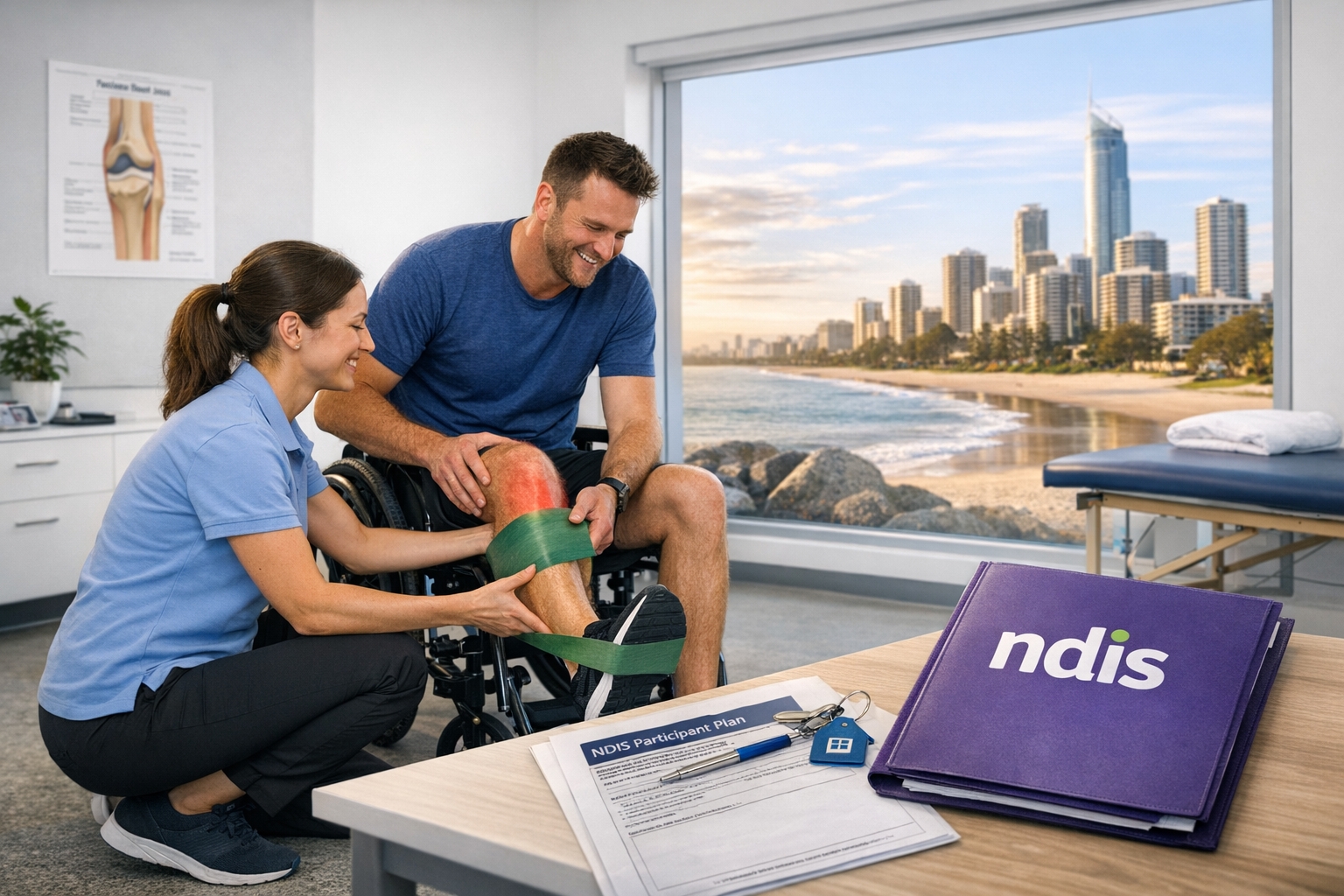
NDIS physiotherapy may support eligible participants with mobility, strength, balance, pain, physical capacity and everyday function. Programs should be connected to the participant’s goals and may involve family members, carers or support coordinators where appropriate.
These types of physiotherapy services Gold Coast participants access may be provided in a clinic, at home or through other suitable formats. Before booking, confirm whether the clinic supports self-managed or plan-managed participants and whether the requested service aligns with the participant’s plan.
Importantly, an NDIS physiotherapy program should focus on meaningful outcomes. These may include improving confidence with movement, building physical capacity, participating in community activities or becoming more independent with daily tasks.
Exercise Rehabilitation and Physiotherapy-Led Classes
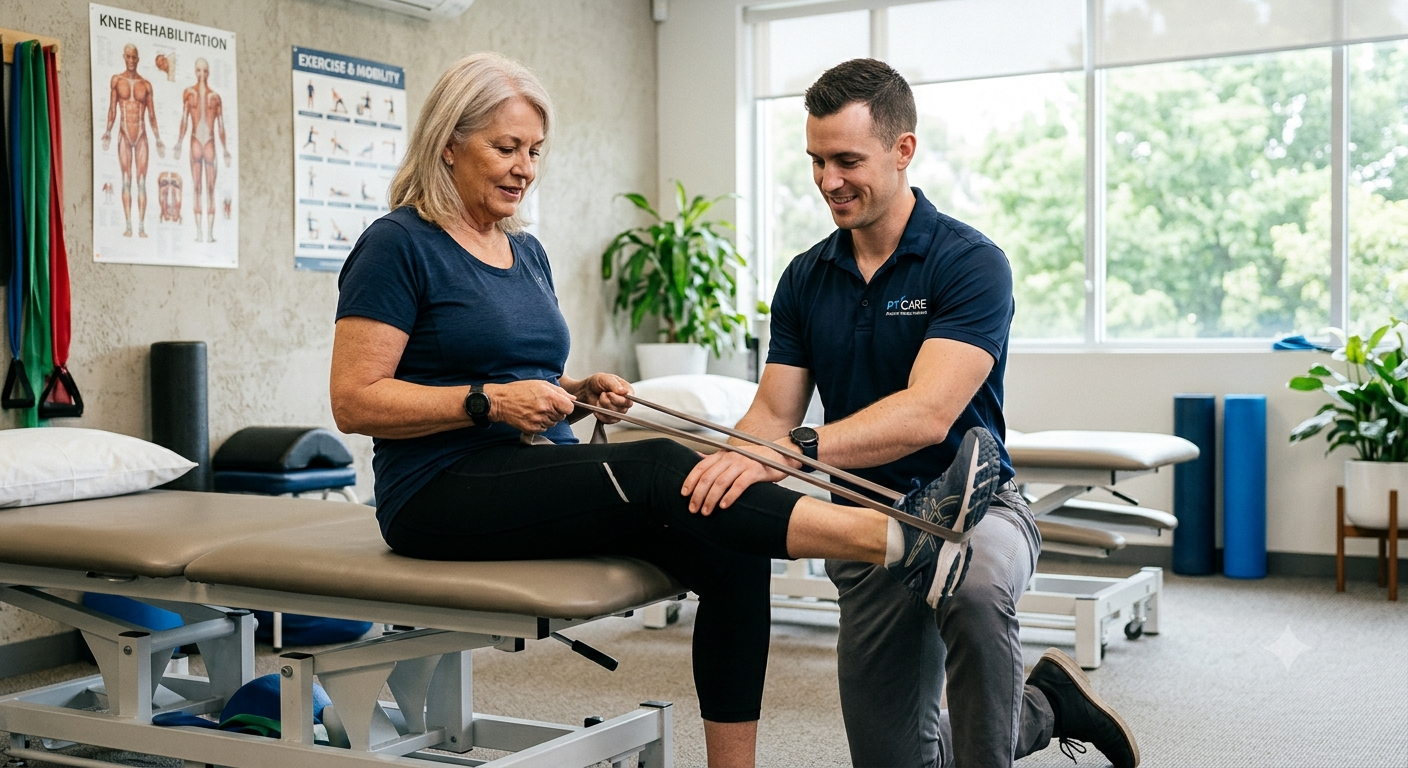
Exercise rehabilitation uses structured, progressive movement to improve strength, balance, mobility, stability and physical confidence. Unlike a general fitness class, physiotherapy-led rehabilitation should be informed by an assessment and adjusted for the participant’s condition and goals.
For many people, the types of physiotherapy services Gold Coast clinics offer continue beyond short-term symptom relief. Supervised rehabilitation can help bridge the gap between early treatment and independent exercise, while regular reviews allow the program to progress safely.
Exercise rehabilitation may be delivered individually or in a small-group environment. However, each participant should still receive exercises suited to their ability, recovery stage and physical goals.
How to Choose the Right Physiotherapy Service?
Start by considering what is limiting you. Is pain stopping you from working, playing sport or sleeping? Are you recovering from surgery? Has your balance changed? Do you need care at home, or would online support be more practical?
Next, choose a clinic that provides a detailed assessment, explains the proposed plan and measures progress against meaningful goals. The best types of physiotherapy services Gold Coast patients can select are those matched to the individual rather than delivered as a standard package.
You may also wish to ask:
- Does the clinic regularly manage my type of condition?
- Will I receive an individual treatment and exercise plan?
- Are clinic, home, online or supervised exercise options available?
- How will my progress be assessed and communicated?
- What should I bring to my first appointment?
Ultimately, the correct service may not be obvious before an assessment. A physiotherapist can review your symptoms, movement and goals before explaining which treatment or rehabilitation pathway may be appropriate.
Elanora Physiotherapy provides personalised care from The Pines Shopping Centre in Elanora for patients across the southern Gold Coast and surrounding areas. Available care includes sports and work injury rehabilitation, pre- and post-surgery programs, chronic pain management, neurological rehabilitation, mobile physiotherapy, telehealth, NDIS support and exercise rehabilitation. To discuss which of the types of physiotherapy services Gold Coast patients can access may suit your needs, contact us today.