




























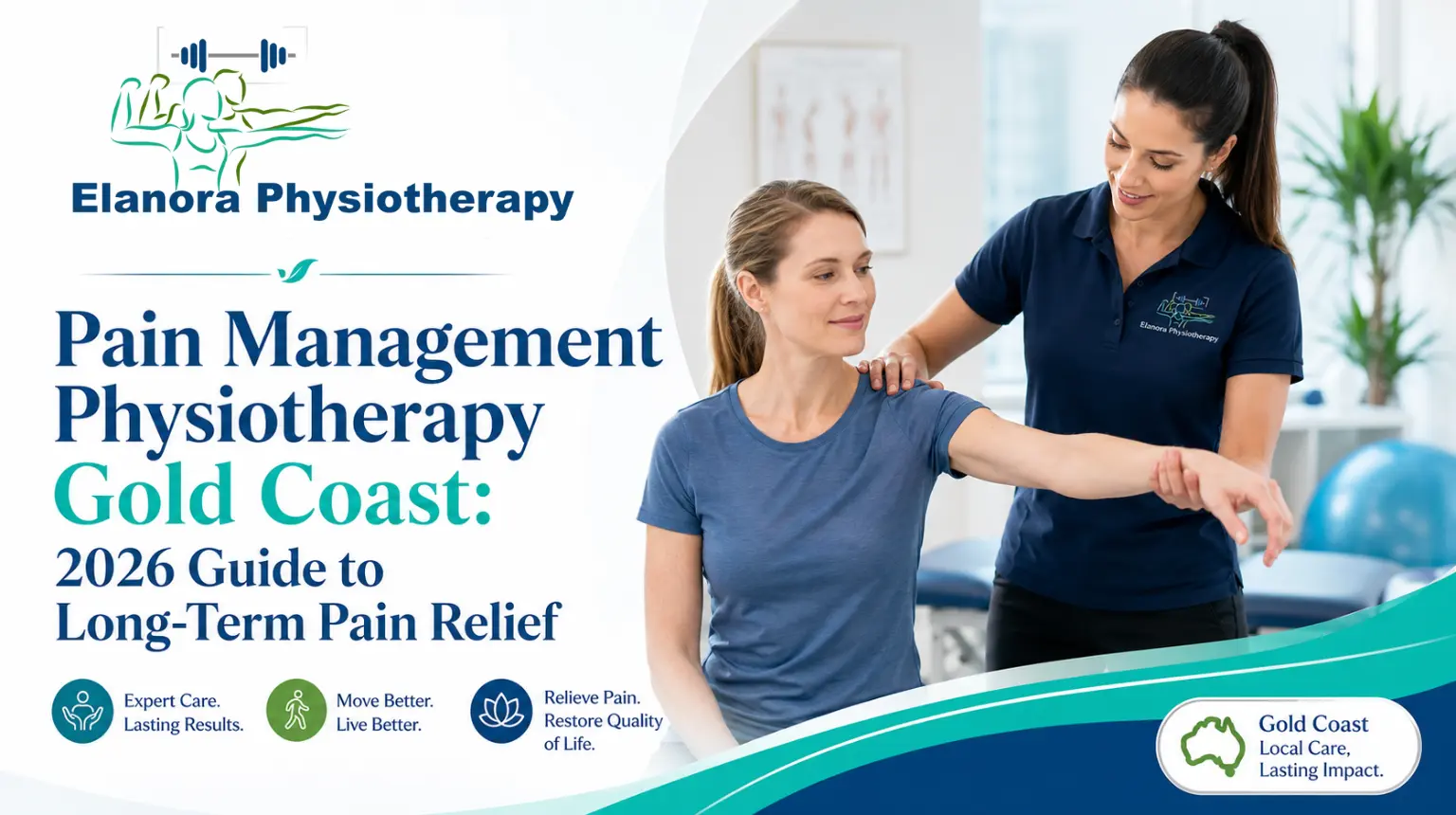
Pain Management Physiotherapy Gold Coast: 2026 Guide to Long-Term Pain Relief
If ongoing pain is affecting your work, sleep, mobility or confidence, pain management physiotherapy may help you move forward with a safer, more structured plan. At Elanora Physiotherapy, we support people across Elanora and the wider Gold Coast with evidence-informed care for long-term pain, stiffness and reduced movement. If you are searching for chronic pain physiotherapy Gold Coast, this guide explains how physiotherapy can help you manage pain, rebuild strength and return to daily activities with more confidence.
What Is Pain Management Physiotherapy?
Pain management physiotherapy is a personalised approach that helps people understand, manage and reduce the impact of ongoing pain. Rather than only focusing on short-term symptom relief, it looks at your movement, strength, lifestyle, injury history and daily goals.
For many people, long-term pain is not just about one sore area. It can affect sleep, energy, mood, work capacity and exercise tolerance. Therefore, a physiotherapist will assess how your body moves, what activities trigger your pain and what steps can help you safely improve function.
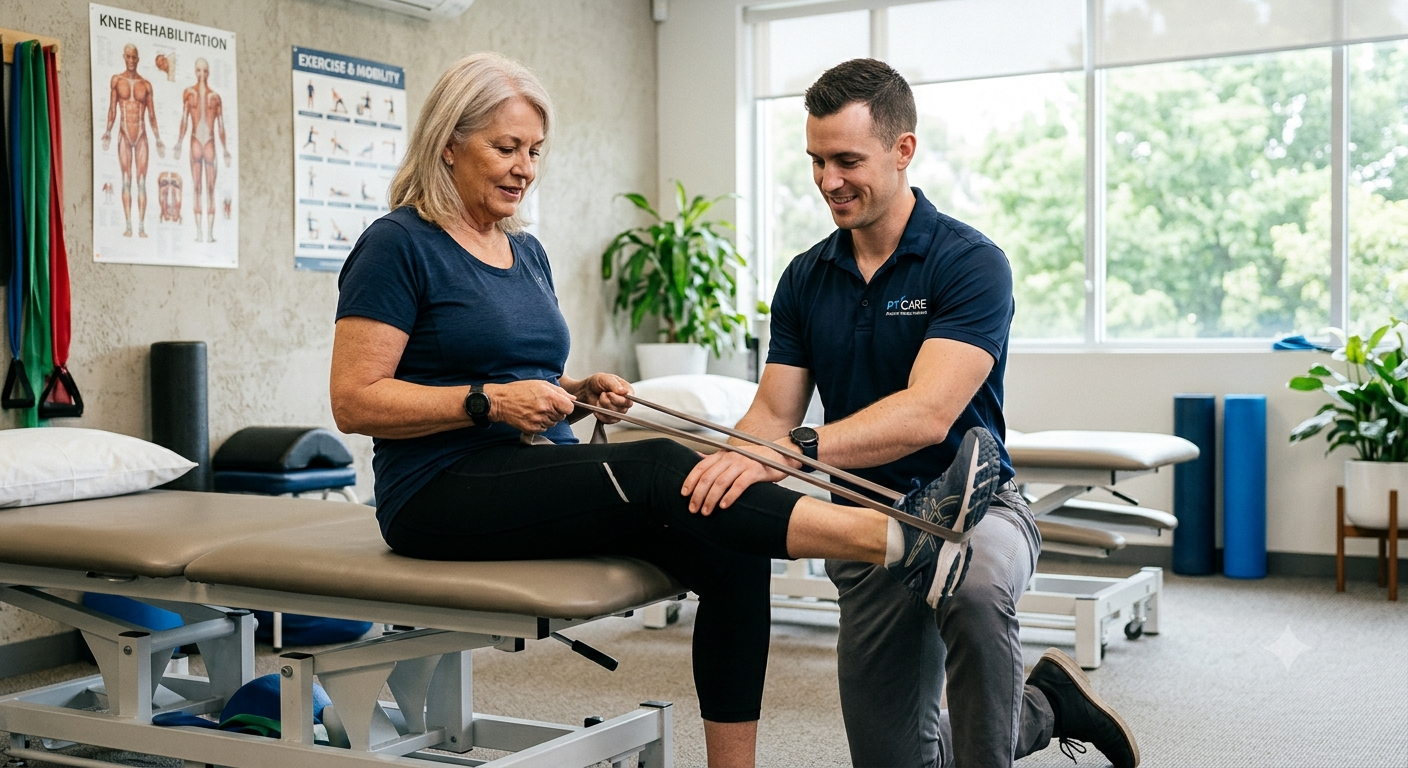
At Elanora Physiotherapy, pain management physiotherapy may include education, hands-on treatment, mobility work, strengthening exercises, pacing strategies and a clear home exercise plan. The goal is to help you feel supported while building long-term confidence in your body.
Why Long-Term Pain Needs a Different Approach?
Short-term injuries often improve with rest, protection and gradual return to movement. However, persistent pain can be more complex. It may continue after an injury has healed, flare up with stress or fatigue, or become worse when the body becomes weaker from avoiding movement.
As a result, pain management physiotherapy focuses on safe progress rather than pushing through discomfort. Your physiotherapist can help you understand the difference between helpful exercise discomfort and warning signs that need modification.
This approach is especially useful for people who feel stuck in a cycle of pain, rest, weakness and flare-ups. With the right plan, many people can improve movement, reduce fear of activity and regain independence.
Common Conditions Treated With Chronic Pain Physio
People seek pain management physiotherapy for many different reasons. Some have pain after an old injury, while others live with joint stiffness, arthritis, back pain or nerve-related symptoms. A physiotherapy plan is tailored to the person, not just the diagnosis.
Chronic Back Pain and Lower Back Stiffness
Back pain is one of the most common reasons people visit a physiotherapist. Long-term back pain may be linked to muscle weakness, poor load tolerance, reduced spinal movement, previous injury or long periods of sitting. Physiotherapy can help by improving strength, flexibility and confidence with bending, lifting and walking.
Neck, Shoulder and Postural Pain
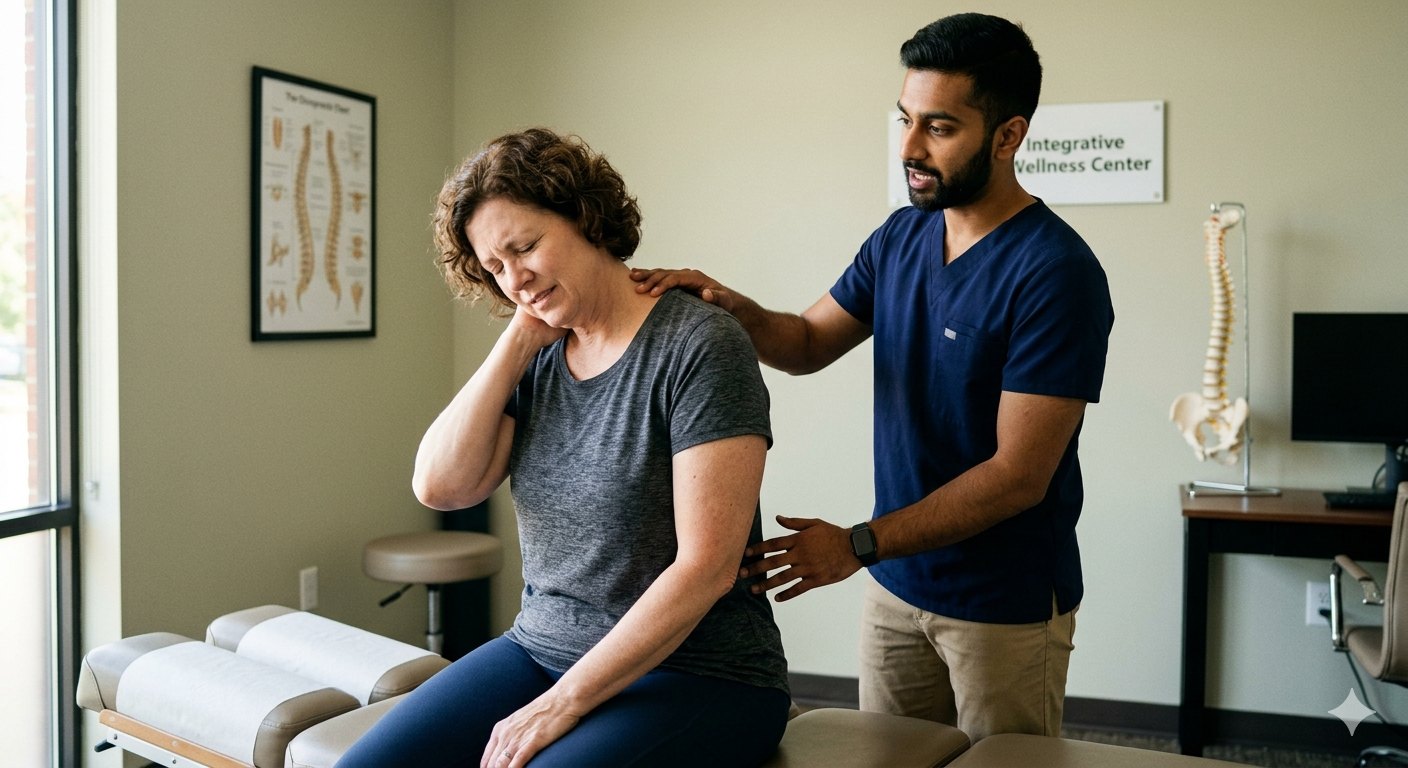
Neck and shoulder pain can affect people who work at desks, drive regularly, train heavily or carry stress in the upper body. Pain management physiotherapy may include joint mobility, soft tissue treatment, posture advice and progressive strengthening for the upper back, neck and shoulders.
Arthritis, Joint Pain and Mobility Issues
Arthritis and joint pain can make movement feel difficult, especially in the knees, hips, hands or spine. However, the right exercises can often help improve joint support and reduce stiffness. A physiotherapist can guide you with safe strengthening and mobility exercises that suit your current ability.
Nerve Pain and Sciatica Symptoms
Nerve-related pain can feel sharp, burning, tingling or radiating. It may travel into the leg, arm or foot. Physiotherapy can help identify movement patterns that aggravate symptoms and provide strategies to reduce irritation while improving strength and function.
How Pain Management Physiotherapy Helps Long-Term Pain Relief?
Pain management physiotherapy supports long-term relief by addressing the factors that keep pain active. These may include reduced strength, limited flexibility, poor balance, fear of movement, overloading, underloading or poor recovery habits.
Firstly, your physiotherapist will complete a detailed assessment to understand your symptoms and goals. Then, they will design a treatment plan that matches your pain level, lifestyle and capacity. This may involve gentle exercises at first, followed by gradual strengthening as your body adapts.
In addition, physiotherapy can help you learn how to manage flare-ups. Instead of stopping all activity when pain increases, you can use pacing, modified exercise and recovery strategies to stay active safely.
What Happens During a Pain Management Physiotherapy Session?
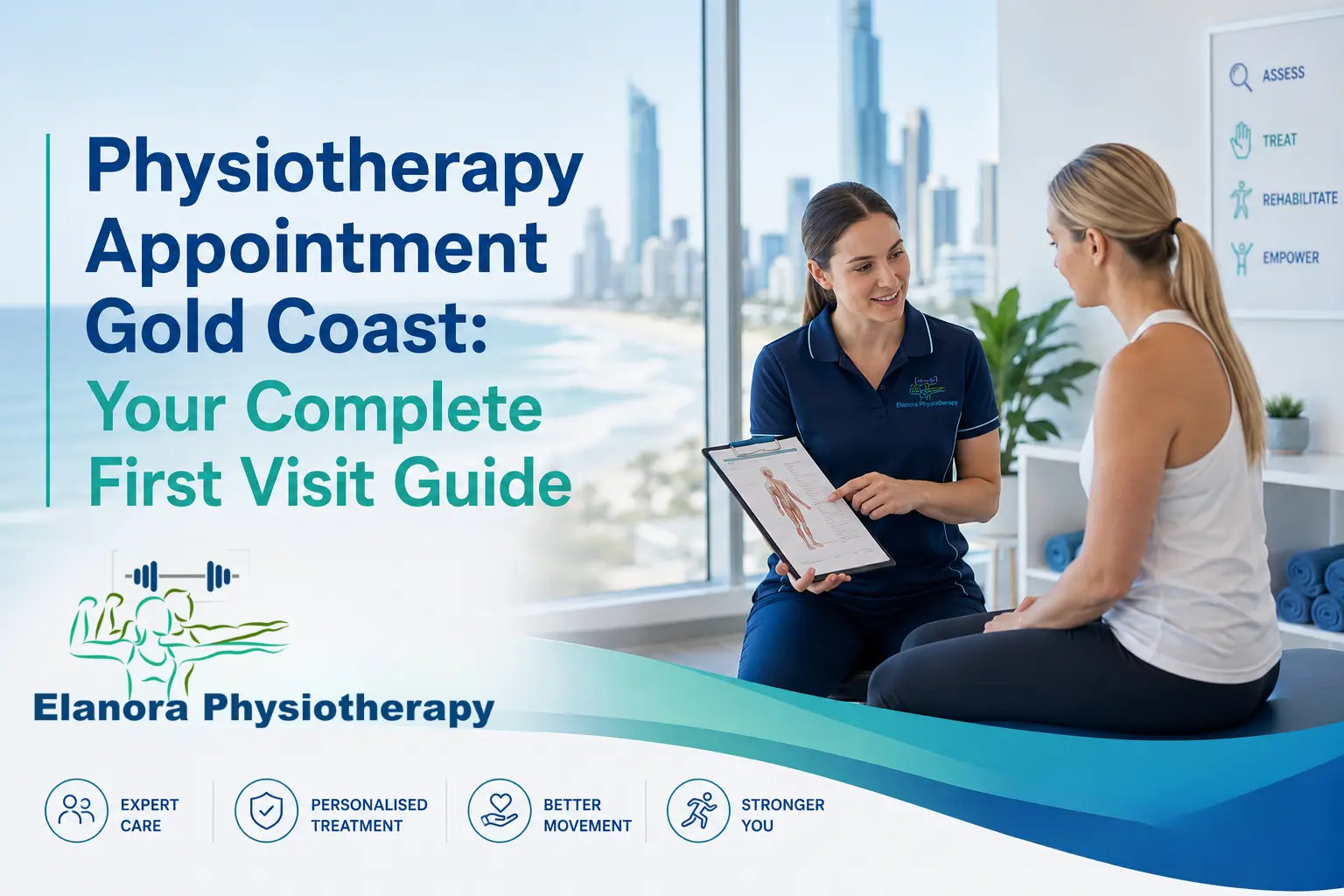
Your first appointment usually begins with a conversation about your pain history, lifestyle, medical background and goals. Your physiotherapist may ask when the pain started, what makes it better or worse, and how it affects your daily life.
Next, they may assess your movement, strength, balance, flexibility and functional tasks. This helps identify what needs support and what can be improved with treatment.
Depending on your needs, a session may include hands-on physiotherapy, guided movement, exercise coaching, pain education and a practical home plan. Importantly, pain management physiotherapy is not a one-size-fits-all service. Your plan should feel realistic, achievable and relevant to your life.
Exercise Rehab for Persistent Pain on the Gold Coast
Exercise is often one of the most important parts of long-term pain care, but it must be introduced correctly. Many people with chronic pain have tried exercise before and stopped because symptoms flared up. This is why guided exercise rehab can be helpful.
At Elanora Physiotherapy, exercise rehab may focus on gentle mobility, core strength, balance, posture, lower limb strength, upper body control and functional movement. Over time, your program can progress so that your body becomes more resilient.
For some people, supervised rehab or small-group exercise classes may provide extra confidence. This can be especially useful if you feel unsure about what exercises are safe for your condition.
Pain Management Physiotherapy vs Rest: What Works Better?
Rest can be useful during a short-term flare-up, but too much rest may lead to weakness, stiffness and reduced confidence. On the other hand, doing too much too soon can also increase symptoms.
Therefore, pain management physiotherapy uses a balanced approach. Your physiotherapist can help you find the right level of activity, gradually build tolerance and avoid the boom-bust cycle where you overdo things on good days and crash afterwards.
This makes physiotherapy valuable for people who want to stay active but need guidance to do it safely.
When Should You See a Physiotherapist for Ongoing Pain?
You should consider seeing a physiotherapist if pain has lasted for weeks or months, keeps returning, limits your work or exercise, affects your sleep, or stops you from doing normal daily activities.
You may also benefit from pain management physiotherapy if you feel nervous about movement, rely heavily on rest, or are unsure which exercises are safe. Early support can help you avoid further deconditioning and build a clearer path forward.
Why Choose Elanora Physiotherapy for Pain Management?
Elanora Physiotherapy is based in Elanora and supports clients across the Gold Coast with personalised physiotherapy care. Our team focuses on practical treatment plans that help people improve movement, strength and confidence.
We work with people experiencing chronic pain, sports injuries, work-related injuries, post-surgery recovery, mobility issues and long-term rehabilitation needs. Because every person’s pain experience is different, your treatment is tailored to your goals, your current ability and your lifestyle.
Whether you want to walk more comfortably, return to exercise, manage work demands or reduce flare-ups, pain management physiotherapy can help you take steady steps towards better function.
Frequently Asked Questions About Pain Management Physiotherapy
Can physiotherapy help chronic pain?
Yes, physiotherapy can help many people manage chronic pain by improving movement, strength, confidence and daily function. Treatment may include education, manual therapy, exercise rehab and self-management strategies.
How many sessions will I need?
The number of sessions depends on your condition, pain history, goals and progress. Some people need short-term guidance, while others benefit from a longer rehabilitation plan.
Is exercise safe when I have long-term pain?
Exercise can be safe and helpful when it is tailored to your ability. A physiotherapist can help you start at the right level and progress gradually.
Can physiotherapy help with back pain, arthritis or nerve pain?
Yes, physiotherapy may help with back pain, arthritis-related stiffness, nerve symptoms and joint pain. Your treatment plan will depend on your assessment and individual needs.
If long-term pain is stopping you from enjoying daily life, Elanora Physiotherapy can help you take the next step with a personalised treatment and rehabilitation plan. Our clinic supports people across Elanora, Palm Beach, Currumbin and the wider Gold Coast with practical, evidence-informed care. For trusted pain management physiotherapy and chronic pain physiotherapy Gold Coast, get in touch with us today to book an appointment and start working towards better movement, strength and long-term pain relief.