











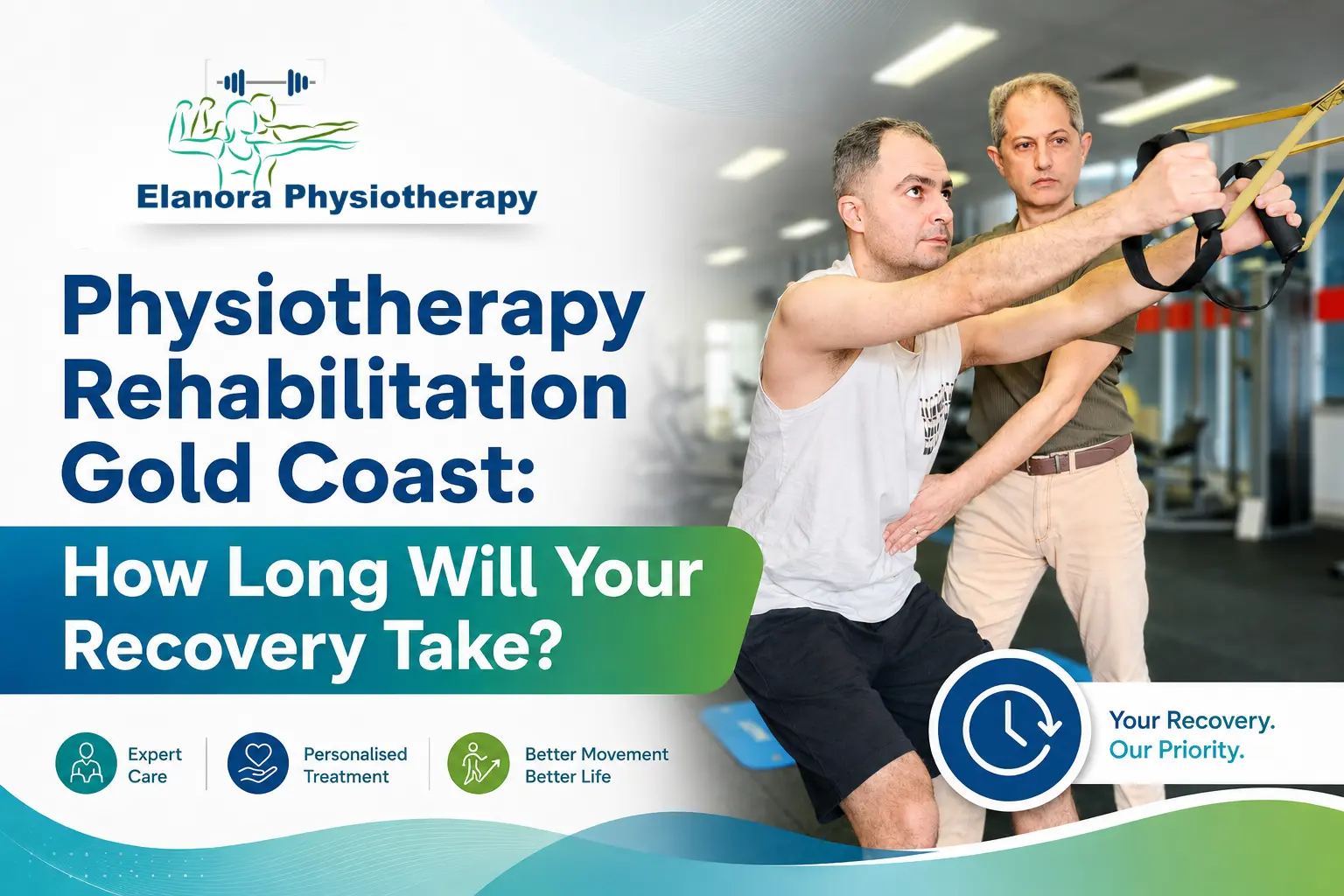
Physiotherapy Rehabilitation Gold Coast: How Long Will Your Recovery Take?
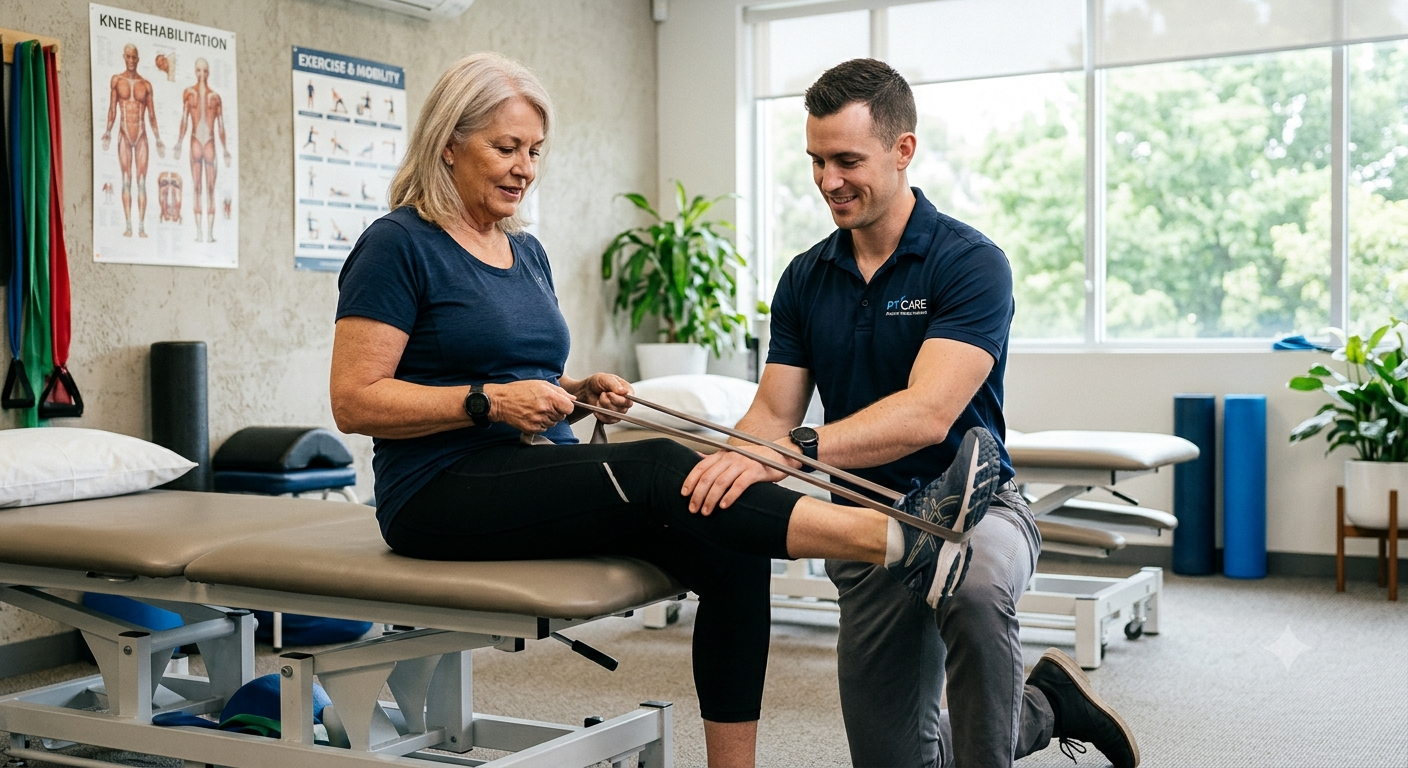
Recovery after an injury, operation, persistent pain or loss of mobility can look different for every person. If you are considering physiotherapy rehabilitation Gold Coast, your recovery time may depend on the type and severity of your condition, your general health, activity level, rehabilitation goals and how your body responds over time. Accessing appropriate physiotherapy services Gold Coast can help establish a structured pathway towards improving movement, strength, confidence and everyday function without relying on a one-size-fits-all recovery timeline.
How Long Does Physiotherapy Rehabilitation Take?
There is no single timeframe that applies to everyone. A mild muscle strain may improve relatively quickly, while rehabilitation following surgery, a significant ligament injury or a long-standing musculoskeletal problem may require more time.
For this reason, physiotherapy rehabilitation Gold Coast is better viewed as a progressive process rather than a fixed number of weeks or appointments.
A physiotherapist may assess your pain, joint movement, muscle strength, balance, mobility, functional limitations and the physical demands of your work, sport or daily activities. These findings can help establish realistic rehabilitation goals and guide how treatment progresses.
For some people, the first goal may be improving comfortable movement. For others, rehabilitation may focus on restoring strength, improving walking ability, returning to work or safely rebuilding capacity for sport.
What Factors Affect Your Physiotherapy Recovery Time?
Several factors can influence how quickly rehabilitation progresses. Understanding these factors can help you develop realistic expectations and avoid comparing your recovery with someone else's.
An individualised physiotherapy rehabilitation Gold Coast program should consider these differences from the beginning.
Type and Severity of Your Injury
A minor soft-tissue injury will usually have a different rehabilitation pathway from a fracture, substantial tendon injury, major ligament injury or post-operative condition.
The location of the injury also matters. Physiotherapy rehabilitation Gold Coast may involve different milestones and physical demands depending on whether you are recovering from an ankle sprain, shoulder problem, lower back condition or another musculoskeletal injury.
How Long You Have Had the Problem
Recent injuries and persistent conditions often require different approaches.
Someone experiencing pain for several months may also have reduced strength, confidence, movement tolerance or physical activity levels. Therefore, rehabilitation may need to progress gradually while rebuilding capacity.
Your Strength, Mobility and Fitness
Your physical starting point can influence recovery.
A person who was active before an injury may have different rehabilitation needs from someone who has experienced prolonged inactivity or reduced mobility.
During physiotherapy rehabilitation Gold Coast, exercises can be adjusted according to your current ability and progressed as your strength, movement and tolerance improve.
Your Work, Sport and Lifestyle Goals
Recovery is not simply about reducing pain.
A person returning to office work may have different rehabilitation requirements from a tradesperson who regularly lifts heavy equipment. Likewise, a recreational walker will have different physical demands from a runner or competitive athlete.
Effective physiotherapy rehabilitation Gold Coast should therefore prepare you for the activities that matter in your everyday life, whether that means returning to work, sport, exercise or normal daily movement.
Consistency With Your Rehabilitation Program
What you do between physiotherapy appointments can also influence progress.
Following prescribed exercises, managing activity levels appropriately and gradually increasing physical demands may help support a more consistent rehabilitation pathway.
How Many Physiotherapy Sessions Will You Need?
There is no universal number of appointments required for rehabilitation.
Some people may need only a short period of assessment, treatment and exercise guidance. Others may benefit from a longer rehabilitation program with regular progress reviews.
This is why physiotherapy rehabilitation Gold Coast should usually be guided by functional progress rather than a predetermined number of visits.
Your physiotherapist may periodically reassess your mobility, strength, symptoms and ability to complete everyday tasks. As progress occurs, appointments may become less frequent while you continue appropriate exercises independently.
Instead of focusing only on appointment numbers, useful questions include:
- Can you move more comfortably?
- Is your strength improving?
- Can you walk or exercise for longer?
- Are daily activities becoming easier?
- Are you getting closer to returning to work or sport?
These functional improvements can provide a clearer picture of rehabilitation progress.
What Happens During a Physiotherapy Rehabilitation Program?
A rehabilitation program commonly changes as your condition improves.
Early treatment may focus on understanding the problem, managing symptoms and restoring comfortable movement. Later stages may place greater emphasis on strength, endurance, movement control and functional activities.
Depending on your needs, physiotherapy rehabilitation Gold Coast may include education, progressive exercise, mobility work, strengthening, hands-on treatment where clinically appropriate and guidance around activity modification.
Importantly, rehabilitation should not remain exactly the same throughout your recovery. Exercises and activities can be progressed as your body becomes better able to tolerate physical demands.
How Do You Know If Physiotherapy Is Working?
Pain levels are only one way to measure progress.
In many cases, improvements in function can be equally important.
Positive signs during physiotherapy rehabilitation Gold Coast may include:
- improved range of movement
- increased strength
- better balance
- improved walking tolerance
- greater confidence with movement
- increased exercise capacity
- easier completion of work or household activities
- improved ability to participate in sport or recreation
You may also notice that you can complete more activity before symptoms appear or recover more comfortably after physical activity.
These changes can help show whether rehabilitation is moving towards your functional goals.
When Should You Start Physiotherapy After an Injury?
The appropriate time to begin physiotherapy depends on the nature of the injury and whether medical assessment is required first.
There is no single rule for when physiotherapy rehabilitation Gold Coast should begin.
Following significant trauma, severe swelling, inability to bear weight, major loss of movement, sudden weakness or other concerning symptoms, medical assessment may be appropriate before beginning rehabilitation.
For many musculoskeletal problems, however, early physiotherapy assessment can help identify what activities may be suitable, what should temporarily be modified and how movement can be gradually reintroduced.
The aim is not necessarily to exercise aggressively straight away. Instead, rehabilitation should progress according to the condition, symptoms and individual response.
Does Feeling Better Mean Rehabilitation Is Finished?
Not necessarily.
Pain can reduce before strength, mobility, balance or physical capacity have fully returned.
This is particularly important for people returning to sport, physically demanding jobs, running or activities involving repeated lifting, jumping or changing direction.
For this reason, physiotherapy rehabilitation Gold Coast may continue after symptoms begin to settle.
Later-stage rehabilitation can focus on rebuilding the physical capacity needed for real-world activities rather than simply achieving short-term symptom improvement.
For example, being able to walk without discomfort does not automatically mean the body is ready for sprinting, jumping or heavy manual work.
Can Physiotherapy Help Reduce the Risk of Re-Injury?
No rehabilitation program can guarantee that an injury will never occur again.
However, physiotherapy can help identify factors that may be relevant to recurring problems, including reduced strength, limited mobility, balance difficulties, movement control issues or sudden changes in physical workload.
A structured physiotherapy rehabilitation Gold Coast program may gradually introduce exercises that reflect the demands of your usual activities.
For an athlete, this might eventually involve running, jumping, agility or change-of-direction exercises. For someone returning to physical work, rehabilitation may include lifting, carrying, pushing, pulling or endurance-based tasks.
The goal is to help build appropriate physical capacity before returning fully to demanding activities.
What Conditions May Benefit From Physiotherapy Rehabilitation?
Physiotherapy rehabilitation can be considered for a wide variety of musculoskeletal, neurological, mobility and post-operative concerns.
Depending on the individual, physiotherapy rehabilitation Gold Coast may be relevant for:
- sporting injuries
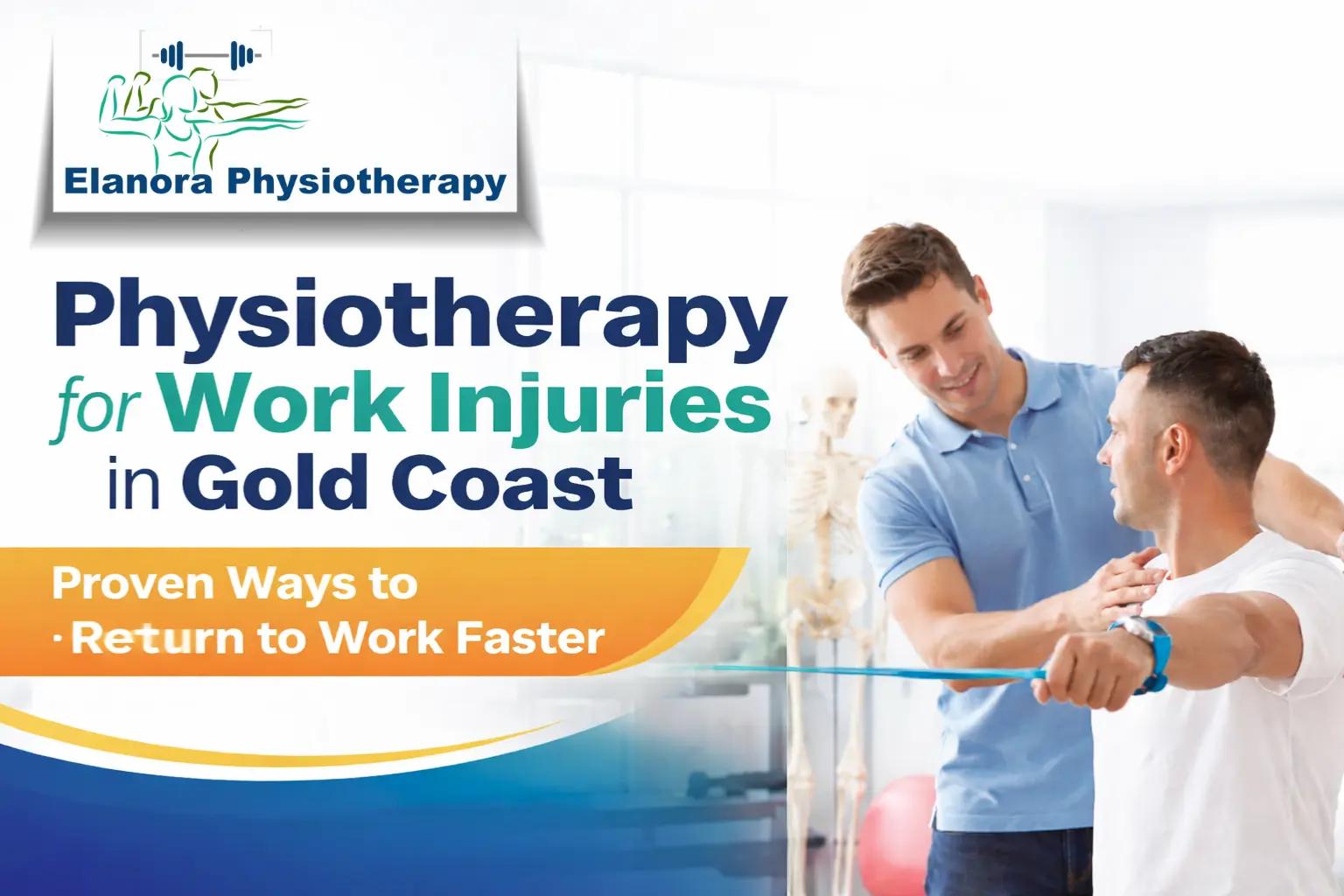
- workplace injuries
- muscle strains
- ligament injuries
- tendon problems
- back and neck pain
- shoulder, knee and hip problems
- reduced strength
- balance difficulties
- mobility limitations
- persistent pain
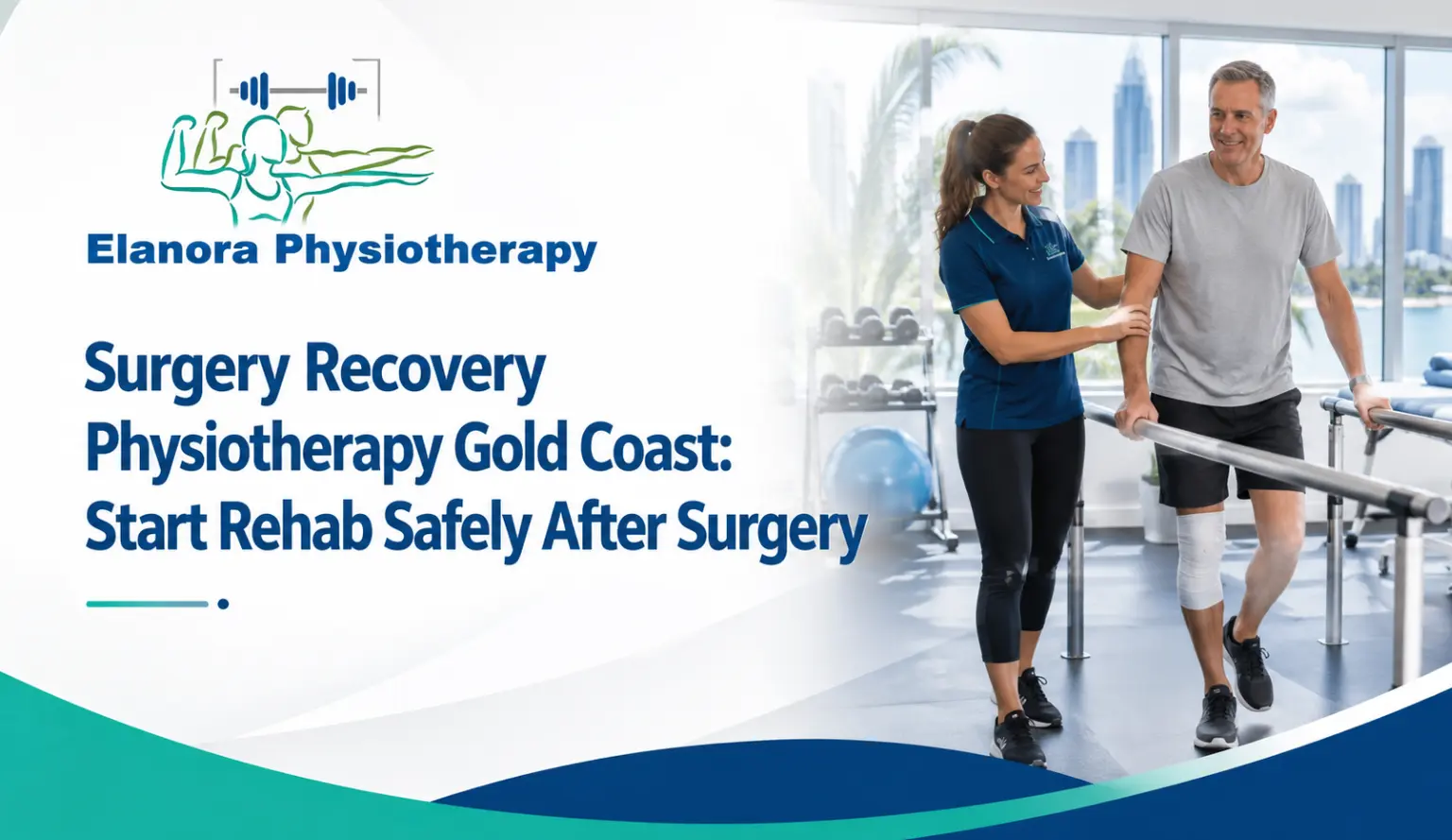
- recovery following surgery
- return-to-work rehabilitation
- return-to-sport rehabilitation
Because these conditions can differ considerably, assessment is important before deciding which rehabilitation exercises or treatment strategies are appropriate.
What Is the Role of Exercise in Injury Rehabilitation?
Exercise is often an important part of rehabilitation because recovery may require more than simply waiting for symptoms to settle.
Depending on the condition, rehabilitation exercises may target mobility, strength, balance, coordination, endurance or functional movement.
During physiotherapy rehabilitation Gold Coast, exercises can be modified and progressed according to your ability.
For example, early rehabilitation may begin with simple controlled movements. As strength and confidence improve, exercises may gradually become more challenging and more closely resemble the activities you need for work, sport or everyday life.
How Can You Support Your Own Recovery?
Recovery is usually easier to manage when you understand what you are working towards.
Clear rehabilitation goals can help you recognise progress even when improvement happens gradually.
During physiotherapy rehabilitation Gold Coast, consistency is generally more useful than trying to progress too quickly. Follow the exercise and activity guidance provided for your individual circumstances and communicate any significant changes in symptoms.
It is also important to remember that recovery is not always perfectly linear.
You may experience periods of noticeable improvement followed by slower progress. The more useful question is often whether your overall strength, movement and function are improving over time.
How Long Will Your Recovery Really Take?
Ultimately, there is no universal physiotherapy recovery timeline.
A relatively straightforward injury may require a shorter rehabilitation period, while surgery, persistent pain, significant weakness or complex injuries may involve a longer progression.
The purpose of physiotherapy rehabilitation Gold Coast is therefore not to promise a particular recovery date. Instead, it is to assess your current function, establish meaningful goals and progressively work towards the activities that matter to you.
Regular reassessment can help determine whether your rehabilitation plan needs to progress, change or focus on a different aspect of recovery.
If an injury, operation, persistent pain or mobility problem is affecting your ability to work, exercise, play sport or manage everyday activities, Elanora Physiotherapy can assess your individual needs and help develop an appropriate rehabilitation pathway. Our approach to physiotherapy rehabilitation Gold Coast focuses on progressive, individualised care designed around your movement, strength and functional goals. Explore our physiotherapy services Gold Coast or contact us to discuss an appointment and the next stage of your rehabilitation.