

















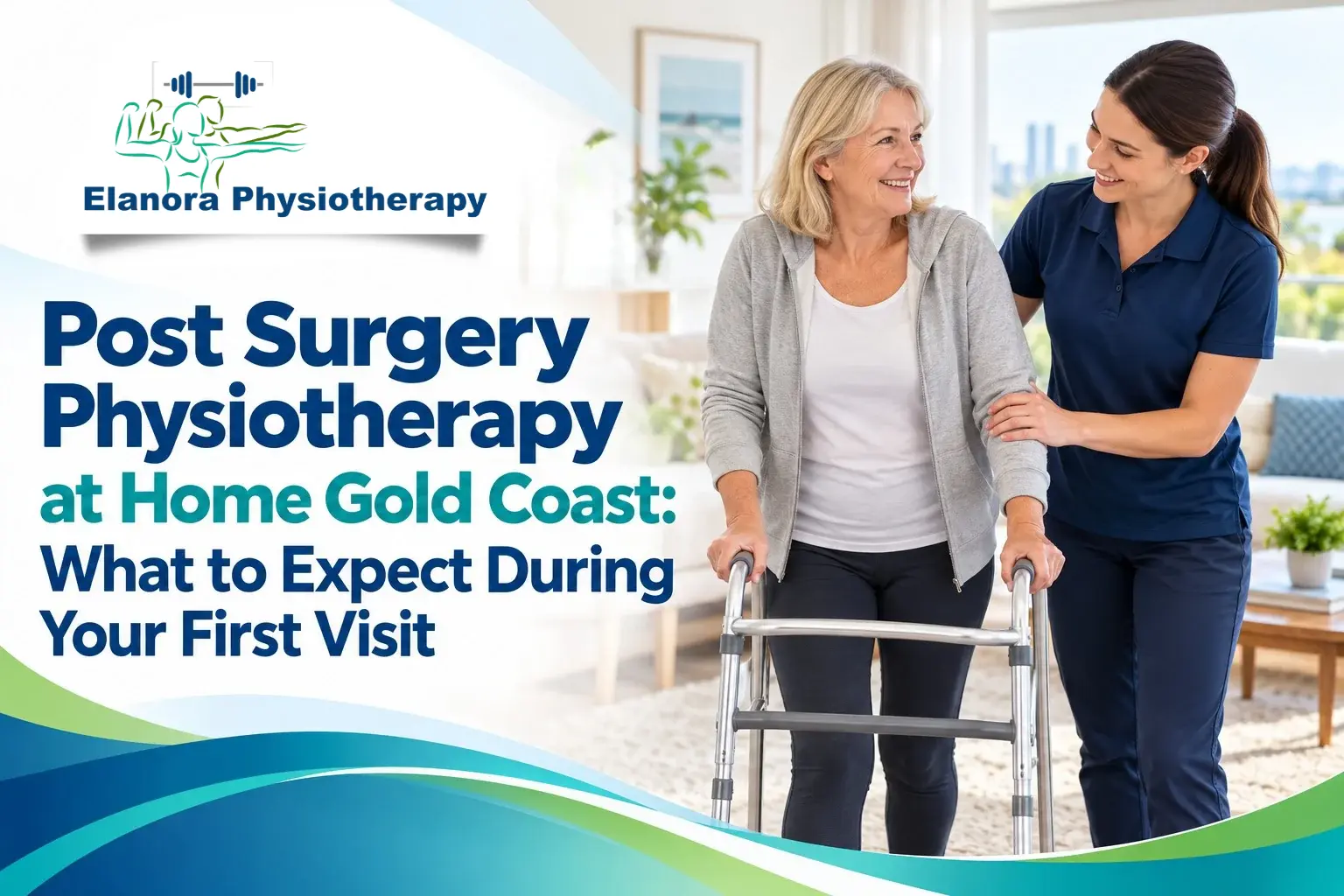
Post Surgery Physiotherapy at Home Gold Coast: What to Expect During Your First Visit
Coming home after an operation can be a relief, but everyday activities may suddenly feel harder. Getting out of bed, walking to the bathroom or managing stairs might take more effort than expected. If travelling to a clinic is uncomfortable or impractical, post surgery physiotherapy at home may be an option. For people searching for a mobile physiotherapist Gold Coast service, understanding the first appointment can make planning your recovery less daunting.
Your needs will depend on the operation, your health, the instructions from your surgical team and how safely you can move. Home visits are not appropriate for every patient or every stage of healing. However, when suitable, a physiotherapist can assess you in the place where you are recovering and develop a plan based on your actual daily activities.
What Is Post Surgery Physiotherapy at Home?
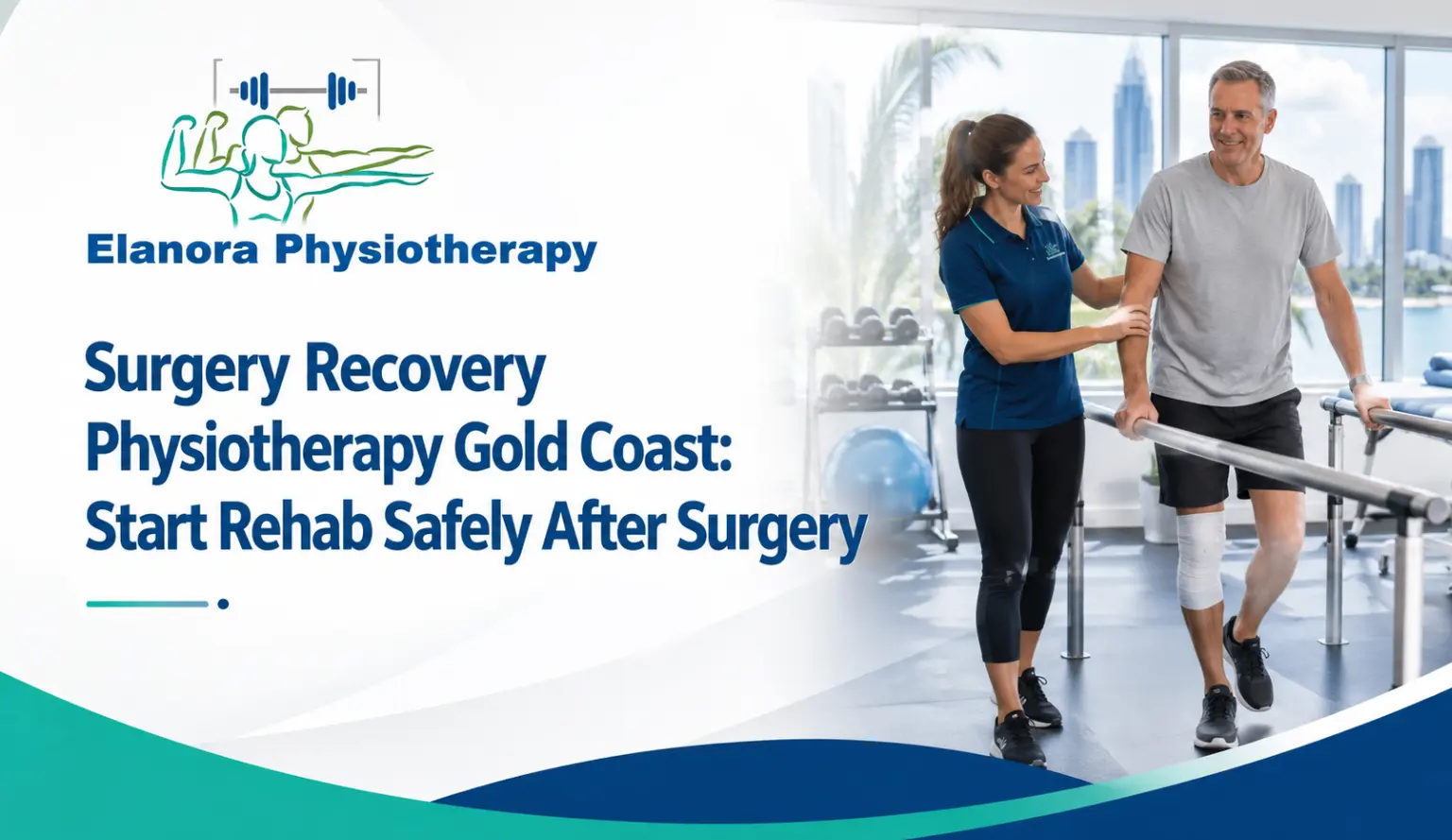
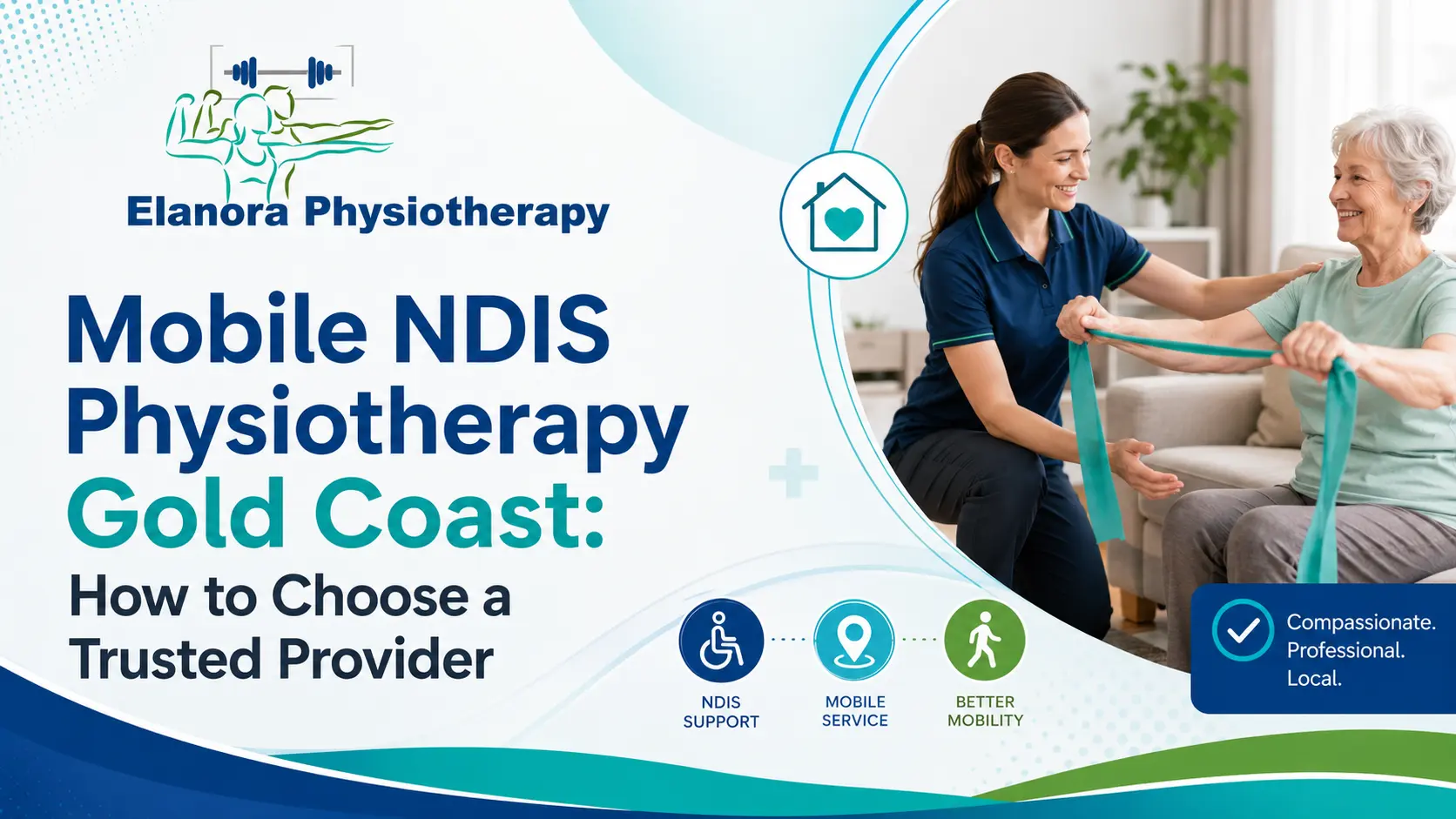
Post surgery physiotherapy at home means receiving an in-person physiotherapy assessment and, when appropriate, treatment and guided rehabilitation in your own home after an operation. The goal is to help you work towards safe movement, strength and independence while respecting any surgical restrictions.
Unlike a general exercise plan found online, home-based post-operative rehabilitation considers your procedure, current symptoms, equipment and surroundings. It might focus on standing from a chair, walking with a frame, moving around the kitchen or returning to an important daily task. It does not replace follow-up appointments with your surgeon or medical team.
When Should You Arrange a Home Physiotherapy Visit After Surgery?
The right time for post surgery physiotherapy at home varies. Some people begin supervised movement while still in hospital and continue with exercises after discharge. Others need to protect a repaired tendon, restrict weight-bearing or avoid particular movements until their surgeon advises otherwise. There is no universal first-day or first-week rule.
Before booking, review your discharge paperwork and confirm whether physiotherapy has been recommended, what you are allowed to do and whether any medical review is due. If instructions are missing or unclear, ask your surgeon or hospital team to clarify them before progressing exercises. In this way, post surgery physiotherapy at home can complement the plan you received at hospital rather than contradict it.
Queensland Health's guidance on hip and knee replacement surgery explains that patients are generally given exercises and mobility advice before going home. The exact programme must still be tailored to the individual and the procedure.
What Happens During Your First Post-Surgery Home Physio Appointment?
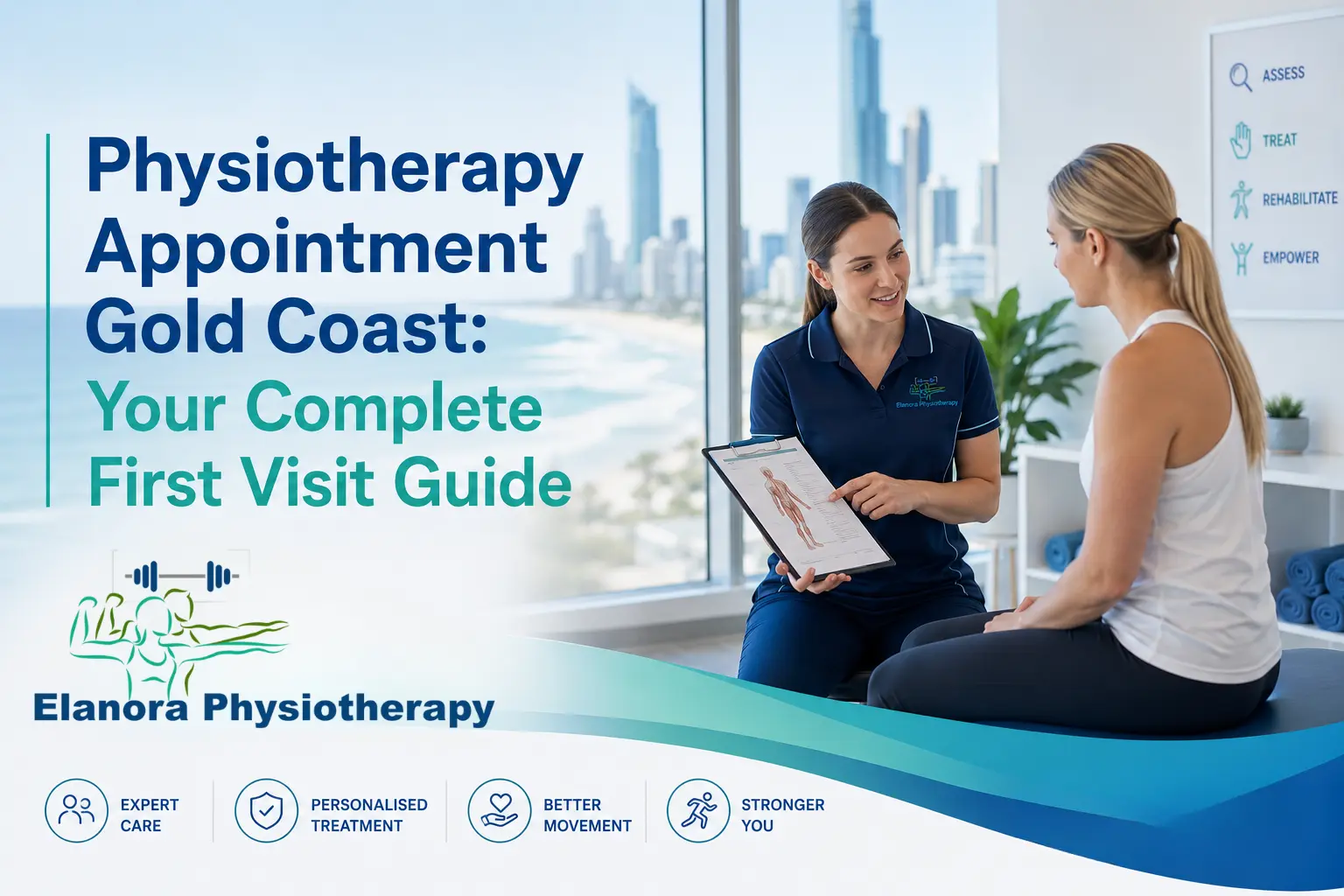
Your first visit is mainly about understanding how you are recovering, identifying immediate priorities and planning sensible next steps. Post surgery physiotherapy at home should begin with assessment, not a demanding workout. Depending on your needs, a visit may include the following stages.
1. Reviewing Your Operation and Discharge Instructions
Your physiotherapist may ask what surgery you had, when it took place, whether there were complications and what your surgeon has advised. They may also review your hospital exercise sheet, weight-bearing limits, movement precautions and follow-up schedule.
You will have an opportunity to explain what worries you most. Perhaps you are unsure about using crutches, struggling to move around safely or worried about doing too much. Sharing these concerns helps make post surgery physiotherapy at home specific to your recovery rather than a standard routine.
2. Assessing Movement, Strength and Everyday Function
Next, your physiotherapist may observe how you sit, stand and walk, and assess relevant movement, strength, balance and comfort. Tests are chosen according to your surgery and medical restrictions; they should not push you beyond the precautions you have been given.
Crucially, the home environment provides useful information. Your physio can see whether a particular chair is difficult to rise from, a narrow doorway complicates walking with an aid, or steps at the entrance are affecting your confidence. This is one practical advantage of post surgery physiotherapy at home.
3. Practising Appropriate Movements and Rehabilitation Exercises
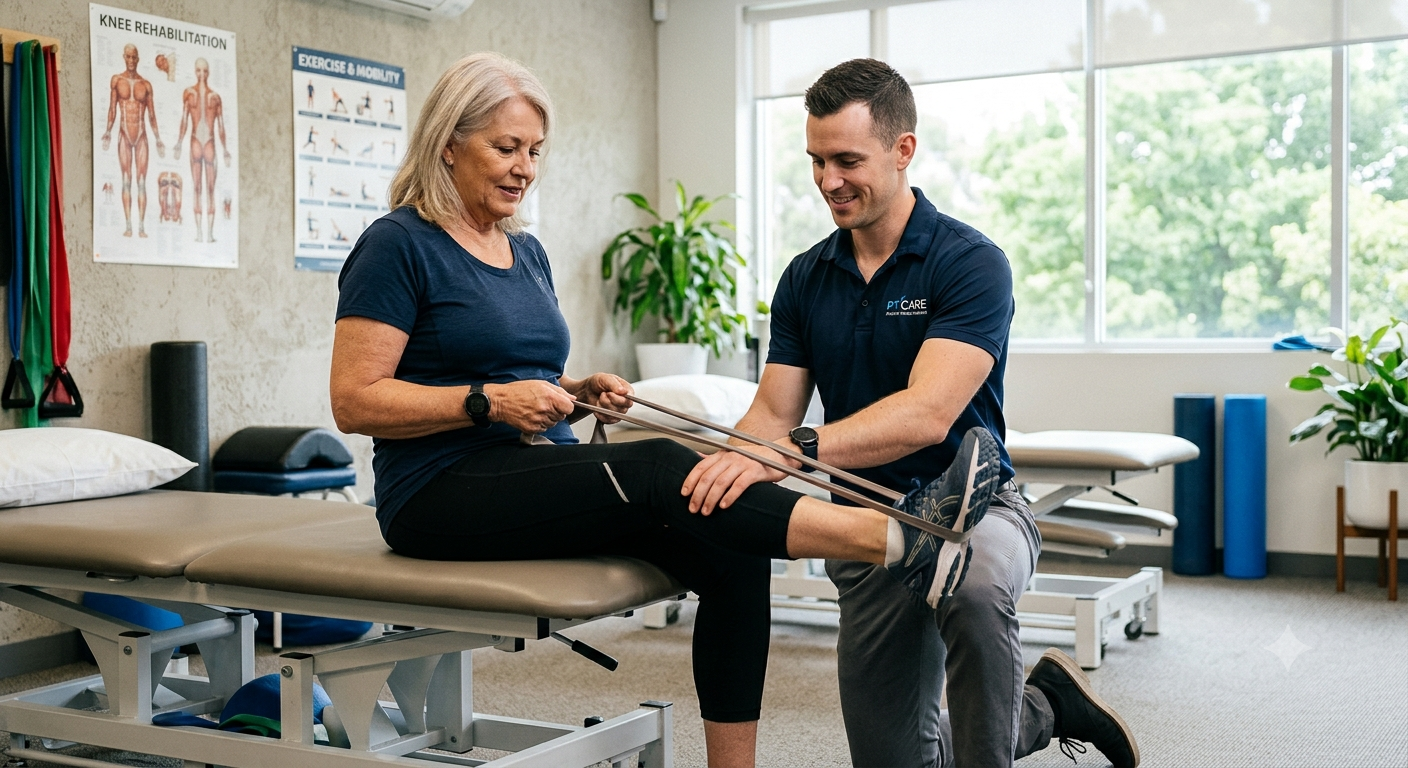
If it is safe and appropriate, your physiotherapist may guide you through prescribed exercises, positioning, transfers or walking practice. For example, some people need help learning how to use a walking aid correctly; others may work on gentle joint movement or muscle activation within their surgeon's limits.
Post surgery physiotherapy at home is not about forcing painful movement or racing through milestones. Instead, your programme should explain which activities to practise, how often to practise them, what level of discomfort to discuss and which movements to avoid for now.
4. Agreeing on a Clear Home Recovery Plan
Before leaving, the physiotherapist should help you understand the next steps: realistic short-term goals, exercises you can manage independently, ways to pace activity and when progress should be reviewed. If a task appears unsafe, your therapist may recommend a modified approach or advise further assessment by your medical team or another relevant professional.
For someone using post surgery physiotherapy at home, a useful first goal might be getting to the bathroom more confidently or moving safely between a bed and chair. Bigger goals, such as driving, work, sport or longer walks, usually come later and may require surgical clearance.
How Can You Prepare for Your First Home Physiotherapy Appointment?
A little preparation can make the session more useful. You do not need a gym or a large open room for post surgery physiotherapy at home. Instead, aim to have the information and basic items your physiotherapist may need.
Keep your hospital discharge summary, operation details, exercise sheet and relevant imaging or reports available.
Have your current walking aid, brace or sling nearby, if one has been prescribed.
Wear comfortable clothing that allows assessment while respecting wound dressings and surgical precautions.
Make a short note of your questions, activity difficulties and any changes in symptoms.
Clear obvious trip hazards from the space where you will walk, without attempting strenuous rearranging yourself.
Consider asking a family member or carer to attend if they help with daily activities, and you would find their involvement useful.
According to Healthdirect's hospital discharge guidance, patients should understand wound care, medicines, mobility aids and follow-up arrangements before leaving hospital. Having that information ready also helps your physiotherapist plan appropriate care.
Which Operations Might Benefit From Physiotherapy at Home?
Post surgery physiotherapy at home may be considered after different operations, especially when travel is difficult, or the early focus is basic mobility. Whether it is suitable depends on your surgeon's recommendations and your clinical needs.
Knee and Hip Surgery
Following a knee or hip replacement, patients may need guidance with walking aids, transfers, movement, balance, and gradually rebuilding strength. However, restrictions and recovery pathways are individual. Home physiotherapy can complement the exercises and instructions provided by your hospital team. For some patients, post surgery physiotherapy at home offers a practical bridge between discharge and later clinic sessions.
Shoulder Surgery
After some shoulder procedures, a sling or specific movement restrictions may be required. Physiotherapy might initially focus on education, safe everyday activities and only the movements approved by the surgeon. Unsupervised stretching or strengthening too early may be inappropriate.
Spinal or Other Orthopaedic Procedures
After spinal surgery or surgery involving fractures, weight-bearing and movement restrictions can vary substantially. In these cases, post surgery physiotherapy at home requires particular attention to the discharge plan and any need for medical review before exercise progresses.
Why Choose Home Visits Instead of Clinic Rehabilitation?
For some people, travelling shortly after surgery adds fatigue, discomfort or practical difficulties. An in-home session can reduce that travel burden while allowing your physiotherapist to address the movements you perform every day. Post surgery physiotherapy at home can be especially useful when your first priorities are walking indoors, using an aid or managing essential routines.
However, home visits are not automatically better than clinic appointments. You may later benefit from rehabilitation equipment, structured strength training or more advanced exercise in a clinic. The best setting depends on your progress, goals, transport options, surgical precautions and the care available to you.
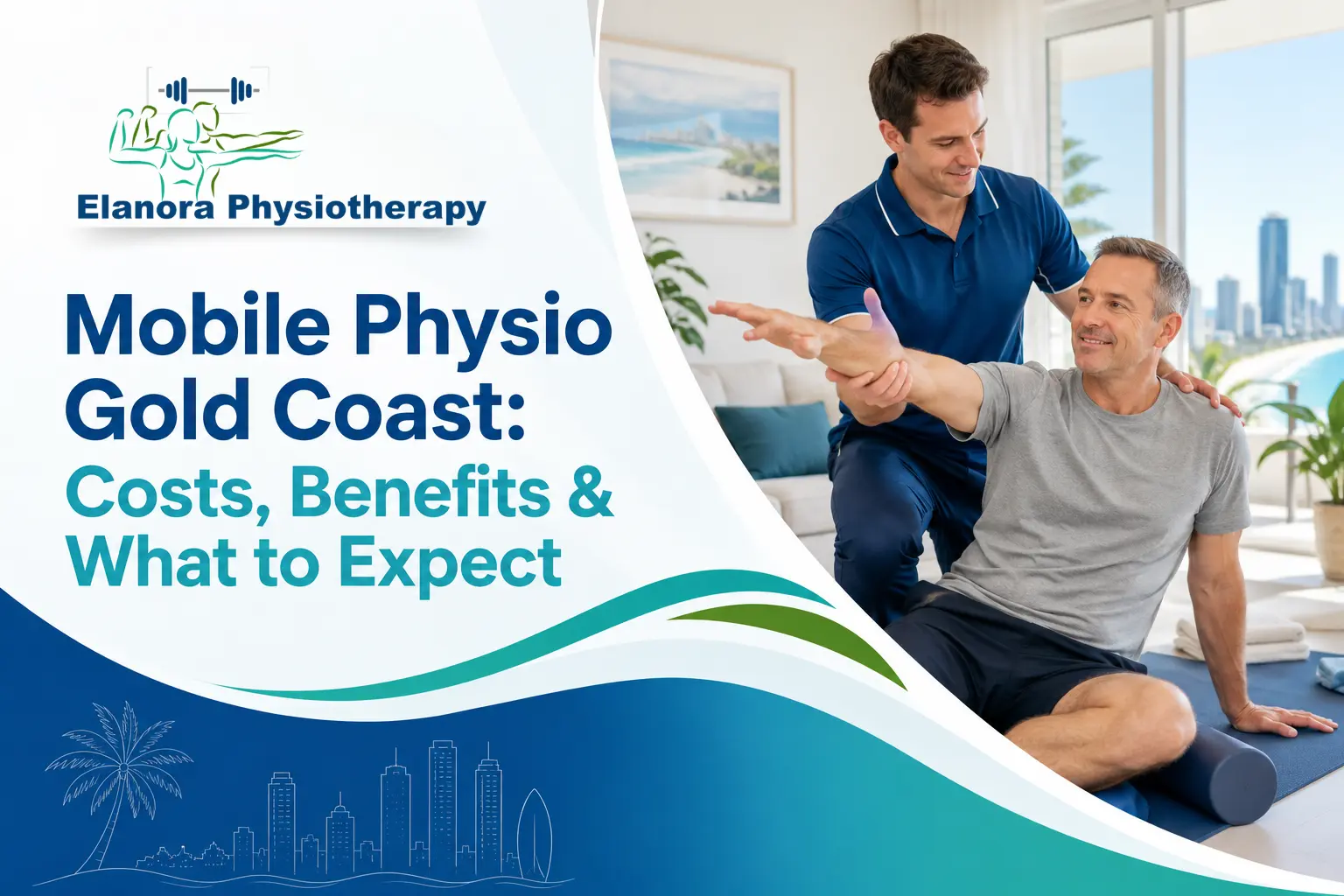
Elanora Physiotherapy offers mobile physiotherapy and pre- and post-surgery rehabilitation. When appropriate, patients can discuss moving from home visits to clinic-based rehabilitation as their mobility and confidence improve.
How Many Home Physiotherapy Sessions Will You Need?
There is no fixed number of sessions for post surgery physiotherapy at home. A relatively straightforward recovery with good family support may need different follow-up from a complex operation or a recovery complicated by other health conditions.
Your physiotherapist may suggest reviewing how safely you move, whether your exercises are manageable and how you are progressing towards agreed goals. Treatment frequency should be reassessed rather than assumed, and patients should be able to ask why another appointment is recommended.
What Symptoms Need Medical Attention After Surgery?
Mild discomfort or temporary fatigue during recovery may occur, but not every new symptom should be managed with exercises. Post surgery physiotherapy at home is not a substitute for urgent medical assessment.
Contact your surgeon or doctor promptly if you develop fever, increasing wound redness or heat, discharge from the wound, escalating pain or other symptoms highlighted in your discharge instructions. Seek immediate medical assessment for a newly painful, swollen or red calf or leg, as it could indicate a blood clot.
Call 000 immediately if you develop sudden shortness of breath, chest pain, fainting or coughing up blood. Healthdirect's advice on deep vein thrombosis explains why these symptoms need urgent attention. When in doubt, contact your treating medical team rather than waiting for a routine physiotherapy visit.
Contact Elanora Physiotherapy for Post-Surgery Home Rehabilitation on the Gold Coast
Recovering from surgery can bring challenges with movement, strength and everyday activities. At Elanora Physiotherapy, our experienced team provides individualised assessment, guided exercises and tailored rehabilitation to support your recovery goals. We offer home-visit physiotherapy for suitable patients across Elanora, Palm Beach, Currumbin and surrounding Gold Coast suburbs, subject to availability.
If you're considering post surgery physiotherapy at home, our team can help you understand your rehabilitation options and explore a suitable approach based on your surgery, mobility needs and medical advice. Whether you're returning home after hospital discharge or finding it difficult to travel to a clinic, we're here to help you take the next appropriate step.
Looking for a mobile physiotherapist in Gold Coast? Contact us today to discuss your needs and enquire about home-based post-surgery rehabilitation.