






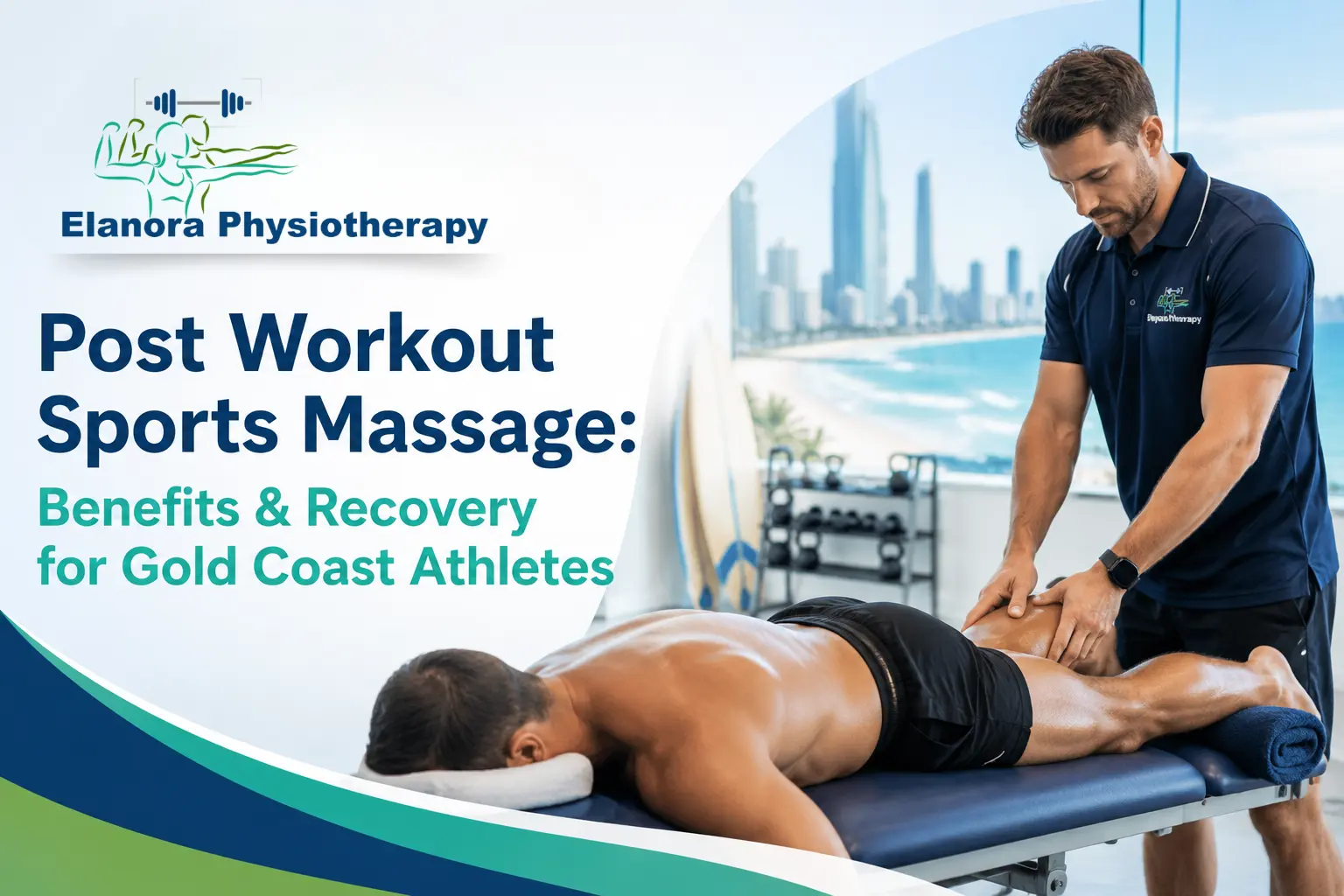
Post Workout Sports Massage: Benefits & Recovery for Gold Coast Athletes
After a demanding gym session, long run, surf, ride or weekend competition, muscles can feel tight, heavy or sore. For active people, post workout sports massage can be one way to support recovery, manage muscular tension and feel more comfortable between training sessions. For those comparing sports massage Gold Coast options, understanding when massage may help, what it can realistically do and when physiotherapy may be more appropriate can make recovery decisions easier.
What Is Post Workout Sports Massage?
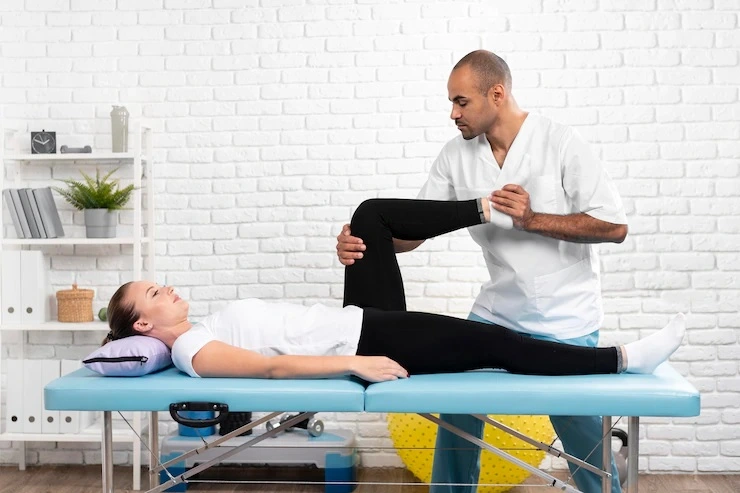
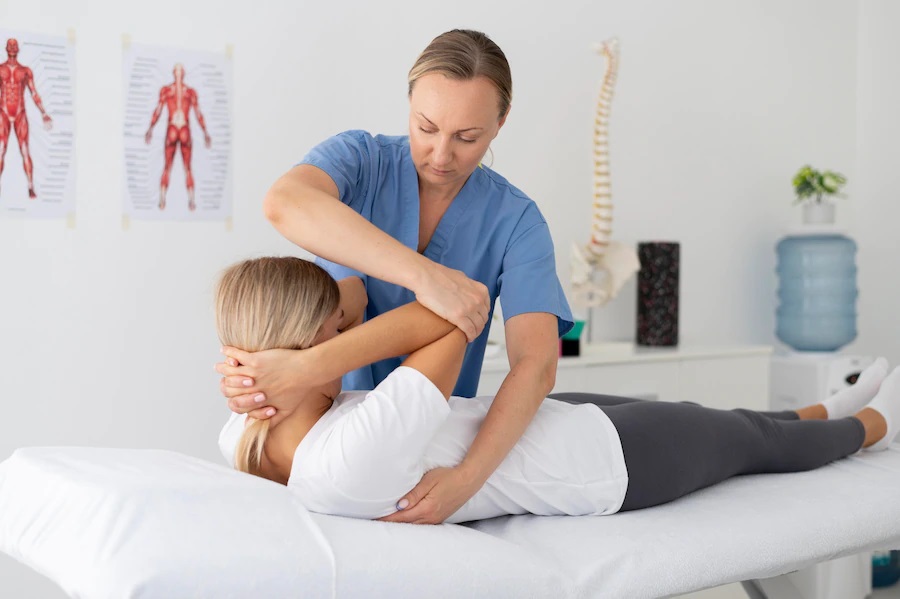
Post workout sports massage is massage therapy performed after exercise or training, with techniques chosen according to the person’s activity, training load, symptoms and recovery needs. Rather than using the same approach for everyone, treatment can be adjusted to the muscle groups that have worked hardest during exercise.
For example, runners may notice tightness through the calves, quads or hips, cyclists may feel fatigue through the legs and lower back, while gym-goers may experience tension after heavy strength sessions. Surfers and swimmers may also feel tightness through the shoulders, upper back and chest.
For many athletes, the goal is not simply relaxation. Post workout sports massage may focus on muscular comfort, easing the feeling of tightness and supporting a broader recovery routine that includes sleep, hydration, nutrition, mobility work and sensible training loads.
Benefits of Post Workout Sports Massage
The potential benefits of post workout sports massage are most relevant to how you feel and move after training. Research does not support the idea that massage directly improves strength, sprint speed, endurance or jumping performance. However, massage may provide modest benefits for delayed onset muscle soreness, commonly called DOMS, and short-term flexibility.
Therefore, massage is best viewed as one part of recovery rather than a shortcut to better performance. Used appropriately, it can complement exercise, strength work and healthy recovery habits.
Managing Post-Exercise Muscle Soreness
Soreness after a hard workout is common, particularly when you increase training volume, try new exercises or return to sport after a break. Post workout sports massage may help some people reduce the feeling of soreness and manage muscular discomfort after demanding activity.
Normal post-exercise soreness usually settles with time. However, sharp pain, significant swelling, bruising, instability, numbness, marked weakness or pain that continues to worsen may point to something more than routine muscle soreness.
In those circumstances, a physiotherapy or medical assessment may be more appropriate than massage alone.
Reducing the Feeling of Muscle Tightness
Heavy training can leave muscles feeling stiff, loaded or restricted. A targeted post workout sports massage can focus on the areas under the most strain and may help you feel more comfortable moving afterwards.
For instance, runners may develop tight calves after longer distances, gym-goers may notice tension through the quads or upper back, and surfers may feel stiffness around the shoulders and thoracic region.
Importantly, pressure does not need to be extremely deep to be useful. Treatment should match your comfort, training demands and how your muscles feel on the day. More pressure is not automatically better, particularly after a very demanding workout or sporting event.
Supporting Flexibility and Comfortable Movement
Massage may provide small short-term improvements in flexibility, which can be useful when repeated training leaves the body feeling stiff. Post workout sports massage can therefore be used alongside mobility work and active recovery.
However, long-term improvements in strength, mobility and resilience still depend on progressive exercise and appropriate loading. Massage may support how you feel during recovery, but it should not replace a well-planned training or rehabilitation program.
How Soon After a Workout Should You Get a Sports Massage?
There is no single timing rule that suits everyone. Post workout sports massage may be performed soon after exercise or later in the recovery period depending on how hard you trained, how sore you feel and what your next session involves.
After a particularly intense workout, competition or long endurance session, a gentler approach may feel more comfortable than aggressive deep pressure. If the muscles are already tender, treatment can be modified accordingly.
Timing should also fit your wider training schedule. If another demanding session or competition is coming up soon, let your therapist know so the intensity and timing of treatment can be adjusted around your workload.
Ultimately, sports massage should work with your training program rather than disrupt it.
Sports Massage Before or After Exercise: Which Is Better?
Both can have a place, but they serve different purposes. Before exercise, massage is often shorter and more stimulating when used as part of preparation. After training, the focus may shift more towards muscular comfort, recovery and areas that feel loaded or tight.
If soreness or stiffness is your main concern, post workout sports massage is generally the more relevant option. If you are preparing for a race, match or competition, pre-exercise treatment may use a different style, pressure and duration.
The key point is that the same massage approach should not automatically be used before competition, immediately after a demanding event and during an ordinary recovery day. Treatment should be adapted to your circumstances.
Can Post Workout Sports Massage Help With DOMS?
Delayed onset muscle soreness, or DOMS, typically develops after unfamiliar or strenuous exercise and can make muscles feel sore, tender or stiff. It commonly occurs after strength training, long runs, hill sessions, sprint training or a sudden increase in exercise intensity.
Post workout sports massage may provide a modest reduction in DOMS for some people. This can potentially make the recovery period feel more comfortable, particularly when soreness is affecting everyday movement.
However, reduced soreness does not mean the muscles have instantly recovered or that heavy training should continue regardless of fatigue.
Recovery depends on the bigger picture. Adequate sleep, good nutrition, hydration, sensible training progression and enough time between demanding sessions all remain important.
Is Sports Massage Good After Weight Training or Leg Day?
Sports massage can be appropriate for many gym-goers, particularly after high-volume strength sessions that leave the legs, hips, back or shoulders feeling tight. Post workout sports massage can be tailored to the muscle groups you have trained rather than treating the entire body unnecessarily.
After leg day, for example, the focus might include the calves, quads, hamstrings or hips depending on the exercises completed and how your body feels.
Following an upper-body workout, treatment may focus more on the shoulders, chest, arms or upper back.
However, severe pain after lifting should not automatically be treated as normal muscle soreness. Sharp or localised pain, swelling, noticeable weakness or loss of normal movement may require a physiotherapy assessment.
Understanding the difference between normal training soreness and a possible injury can help prevent an underlying problem from being overlooked.
Post Workout Sports Massage for Runners and Endurance Athletes
Running, cycling and endurance training involve repeated loading over long periods. Post workout sports massage may be used by endurance athletes when certain areas feel tight or fatigued after longer sessions, races or heavier training weeks.
For runners, common focus areas can include the calves, quads, hamstrings, gluteal muscles and hips. Cyclists may experience tightness through the quads, hips, calves, neck or back depending on workload, bike position and time spent riding.
Surfers and swimmers may have different recovery needs, particularly around the shoulders, upper back and chest.
For athletes considering sports massage Gold Coast services before or after a major local event, massage should still be viewed as one component of a broader recovery strategy. Training consistency, appropriate strength work, load management, nutrition and adequate recovery remain important.
How Often Should You Get a Post Workout Sports Massage?
How often you book depends on your training frequency, recovery needs, budget, schedule and individual response. Some active people use post workout sports massage occasionally after particularly demanding sessions or sporting events, while others include it periodically during heavier training blocks.
There is no universal schedule that every athlete needs to follow.
Someone training recreationally two or three times a week may have different recovery requirements from an endurance athlete preparing for an event or a gym-goer completing several heavy strength sessions each week.
More frequent treatment is not automatically better. A useful schedule should make sense for your goals and training demands rather than encouraging unnecessary appointments.
If you are unsure, discussing your current workload, areas of tightness, previous injuries and upcoming competitions can help determine whether sports massage may be useful and how frequently it should be considered.
Can You Exercise the Day After a Sports Massage?
Often, yes, but the right choice depends on treatment intensity, how your body responds and what type of training you plan to do.
Some people feel comfortable returning to their normal activities, while others prefer a lighter session following deeper treatment.
After post workout sports massage, pay attention to how your body feels rather than following a rigid rule. If you feel unusually tender, fatigued or sore, modifying the next workout may be sensible.
For example, you might choose a lighter mobility session, easy walk, low-intensity ride or reduced training load rather than immediately completing another high-intensity workout.
Athletes preparing for competition should also tell their therapist about upcoming sessions so treatment can be planned around important workloads.
What Should You Do After a Sports Massage?
After treatment, normal daily movement is usually appropriate unless you have been advised otherwise. Hydration, regular meals, adequate sleep and sensible activity can all support your broader recovery routine.
Some people may feel relaxed after massage, while others experience temporary tenderness in areas that were treated.
Rather than relying solely on post workout sports massage, continue with the recovery habits that support your training overall. This can include getting enough sleep, eating appropriately for your activity level, allowing sufficient recovery between hard sessions and completing prescribed mobility or rehabilitation exercises where relevant.
If something feels unusual or significantly more painful after treatment, seek appropriate advice instead of assuming it is normal.
Post Workout Sports Massage for Tight Calves, Hamstrings and Quads
Lower-body tightness is particularly common among runners, cyclists, field-sport athletes and people completing regular lower-body strength training.
Post workout sports massage may focus on areas such as the calves, hamstrings, quads, gluteal muscles and hips when these regions feel tight or fatigued.
However, recurrent tightness deserves attention. If the same area repeatedly becomes uncomfortable despite appropriate recovery, there may be other factors worth considering, including training load, strength, mobility, exercise technique or an underlying injury.
Massage may help manage how an area feels, while physiotherapy assessment can help investigate persistent or recurring problems.
Sports Massage or Physiotherapy After Training: Which Do You Need?
Post workout sports massage can be useful when the main issue is general muscular tightness, post-exercise soreness or recovery between training sessions.
Physiotherapy becomes more important when symptoms suggest an injury or movement problem that requires assessment.
Consider a physiotherapy assessment if you experience persistent or worsening pain, significant swelling, noticeable weakness, instability, numbness, recurrent symptoms, reduced function or difficulty returning to normal exercise.
This is one benefit of accessing sports massage within a physiotherapy-led environment. Massage can be considered alongside movement, biomechanics, training demands and rehabilitation needs, with physiotherapy available when massage alone is not the most appropriate option.
It also helps ensure that an ongoing problem is not repeatedly treated as simple muscular tightness when further assessment may be warranted.
Why Gold Coast Gym-Goers and Athletes Use Sports Massage?
The Gold Coast supports an active lifestyle, with locals regularly training in gyms, running, cycling, surfing, swimming and participating in community and competitive sport.
For people who train consistently, managing recovery can help make demanding training weeks feel more sustainable.
Post workout sports massage can be particularly relevant after strength sessions, longer runs, bike rides, surf sessions, matches or competitions. It may also suit active workers whose muscles experience regular physical loading outside structured exercise.
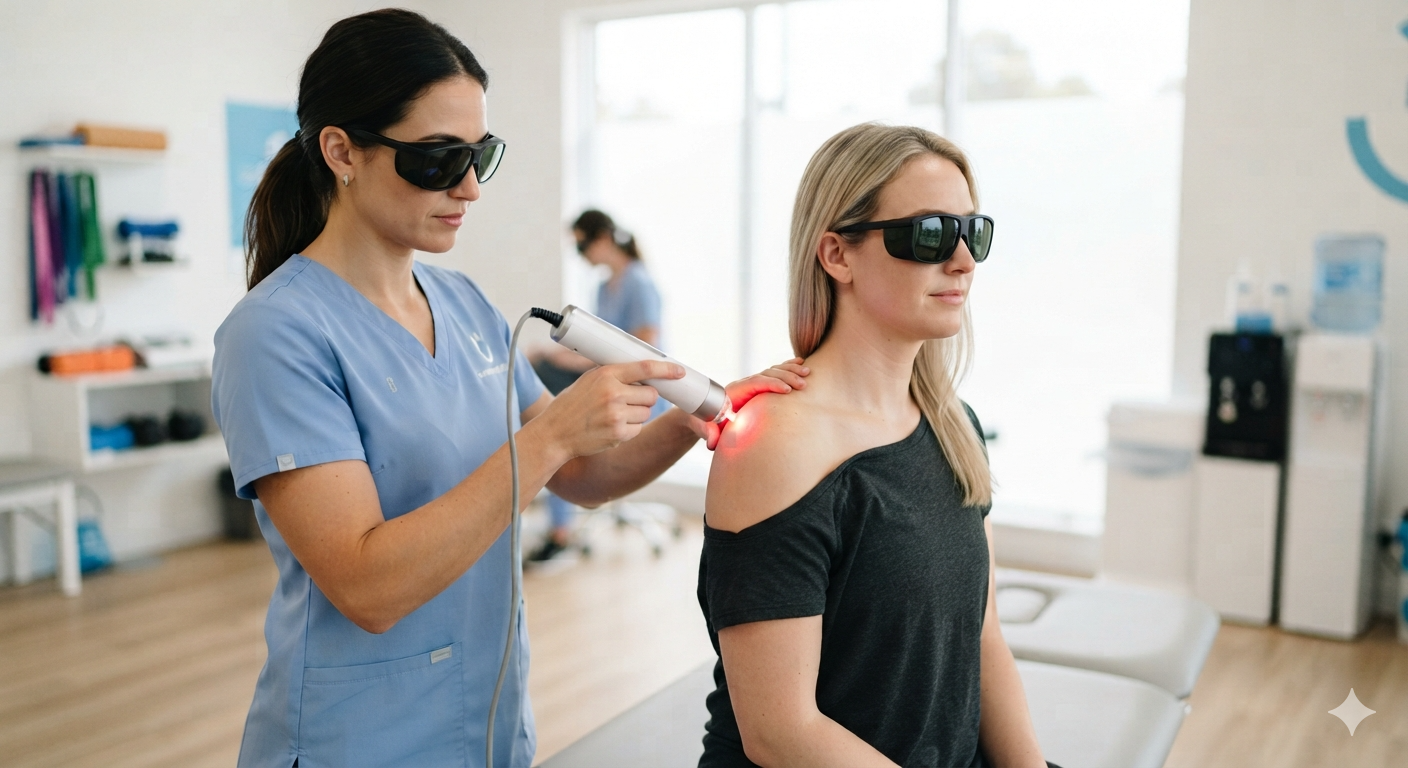
At Elanora Physiotherapy, sports massage is available within a physiotherapy-led environment for active people across Elanora and the wider Gold Coast. Treatment can be adapted to the individual, taking into account activity levels, training demands, comfort and recovery goals rather than following a one-size-fits-all approach.
Make Recovery Part of Your Training Plan
Training progress is not only about how hard you work. Recovery, sleep, nutrition, appropriate training loads and responding early to unusual symptoms all contribute to sustainable physical activity.
Post workout sports massage can be one practical component of that broader recovery approach, particularly when muscle soreness or tightness affects how comfortable you feel between sessions.
For active Gold Coast locals, choosing recovery strategies that match your sport, workload and goals is generally more useful than relying on a one-size-fits-all routine.
Whether you lift weights, run, surf, cycle, swim or compete in team sport, recovery should support your ability to keep moving and training consistently.
Looking for post workout sports massage after gym training, running, cycling, surfing or sport? Elanora Physiotherapy provides physiotherapy-led massage services from The Pines Shopping Centre in Elanora for gym-goers, athletes and active people with different training and recovery needs. Contact us to discuss whether massage is appropriate for you, particularly if muscular tightness or soreness is affecting your recovery between sessions. For active locals seeking sports massage Gold Coast care, treatment can be tailored around your activity, workload and individual recovery goals.