






























Sports Injury Physio in Gold Coast: Do Ankle Sprains Need Physio?
Rolled your ankle during footy, netball, a run or a weekend walk? It is easy to dismiss a sprain as something that will settle on its own. While many mild injuries improve with sensible self-care, others need assessment and a structured return to activity. If you are looking for sports injury physio in Gold Coast, knowing when to seek help can prevent you from guessing about your recovery. This guide explains when sports injury physiotherapy Gold Coast services may be useful, what rehabilitation involves and how to make informed decisions about returning to sport.
Do All Ankle Sprains Need Physiotherapy?
No. Not every ankle sprain requires ongoing physiotherapy. A mild sprain may improve with short-term protection, symptom management and a gradual return to comfortable movement. However, an assessment is sensible when pain or swelling is significant, you are struggling to walk, the ankle repeatedly gives way or progress stalls.
The decision is not simply about whether you play competitive sport. You might need steady footing to work on your feet, chase the kids, walk the dog or tackle stairs. For someone considering sports injury physio in Gold Coast, the practical question is whether the ankle is recovering well enough for the activities that matter to them.
If you cannot bear weight, have severe pain or notice an obvious change in ankle shape, seek urgent medical assessment rather than assuming it is a routine sprain.
What Happens When You Sprain Your Ankle?
An ankle sprain happens when one or more ligaments supporting the joint are overstretched or torn. Often, the foot rolls inwards as you land, change direction or step awkwardly. This commonly affects ligaments on the outside of the ankle.
Typical symptoms include tenderness, swelling, bruising, stiffness and difficulty walking. Some people feel their ankle is unstable or cannot confidently push off one foot. Nevertheless, symptoms alone cannot reliably tell you how much ligament damage has occurred, and an apparent sprain can sometimes involve a fracture or another injury.
Athletes searching for sports injury physio in Gold Coast may recognise this pattern after a netball landing, a football tackle, a beach run or a misstep on uneven ground. A proper assessment helps clarify what has happened before more demanding activities resume. Importantly, sports injury physio in Gold Coast is also relevant to everyday ankle injuries, not only organised sport.
When Should You Get an Ankle Sprain Checked?
Seek urgent medical care if you cannot bear weight through the foot, have severe or worsening pain, marked swelling, visible deformity, numbness or a cold or discoloured foot. These signs may indicate a fracture, dislocation or another problem needing prompt attention.
Arrange an assessment with a GP or physiotherapist if symptoms are not improving over the first few days, you are still limping, or your ankle feels unreliable. You should also seek advice after repeated sprains, even if the latest episode seems minor.
A clinician can examine the injury and decide whether imaging or another referral is appropriate. Importantly, sports injury physio in Gold Coast should complement—not delay—urgent medical attention when warning signs are present.
What Should You Do in the First 48–72 Hours?
Initially, protect the ankle from activities that sharply increase pain. Relative rest is useful, but prolonged complete rest is usually not the goal for an uncomplicated sprain. As symptoms allow, gentle movement and progressive weight-bearing can support recovery.
Consider the following short-term measures:
Protection: Use supportive footwear and avoid running, jumping or sudden changes of direction.
Cold packs: Apply a wrapped cold pack for around 15–20 minutes at a time if it eases discomfort; never place ice directly against the skin.
Compression: A comfortable elastic support may help manage swelling, provided it is not too tight.
Elevation: Raise the ankle when resting to help with swelling.
Movement: Begin comfortable ankle movements as tolerated, rather than forcing through sharp pain.
As Healthdirect's Australian guidance explains, early care can combine symptom relief with progressive movement. These measures can help manage symptoms, but they are not a complete rehabilitation program. The priority in sports injury physio in Gold Coast is to match early movement and protection to your symptoms.
If walking remains difficult, ask a clinician whether temporary support or crutches are appropriate. Someone contacting sports injury physio in Gold Coast can also discuss which activities are reasonable to maintain during the early stage.
How Can Sports Injury Physio in Gold Coast Help an Ankle Sprain?
Physiotherapy is not just about reducing swelling. The aim is to understand what limits your movement and then build the strength, balance and confidence needed for daily life or sport. Clinical practice guidance supports structured exercise and progressive loading for ankle sprains. Your plan should reflect your injury, goals and response to exercise.
1. Assess the Injury and Your Movement
An initial assessment may cover how the injury happened, your ability to walk, areas of tenderness, swelling, ankle movement and previous sprains. A physiotherapist may also assess strength and balance when it is safe to do so. Good sports injury physio in Gold Coast begins with these findings, not a one-size-fits-all exercise sheet.
If the findings raise concern about a fracture or another condition, they can recommend appropriate medical review.
2. Restore Comfortable Mobility
Next, rehabilitation often starts with gentle, progressive ankle movement and walking practice. Hands-on treatment may be used alongside exercise when suitable, but it does not replace active rehabilitation.
For patients choosing sports injury physio in Gold Coast, the programme should be adjusted rather than pushed forward according to an arbitrary timetable.
3. Rebuild Strength and Balance
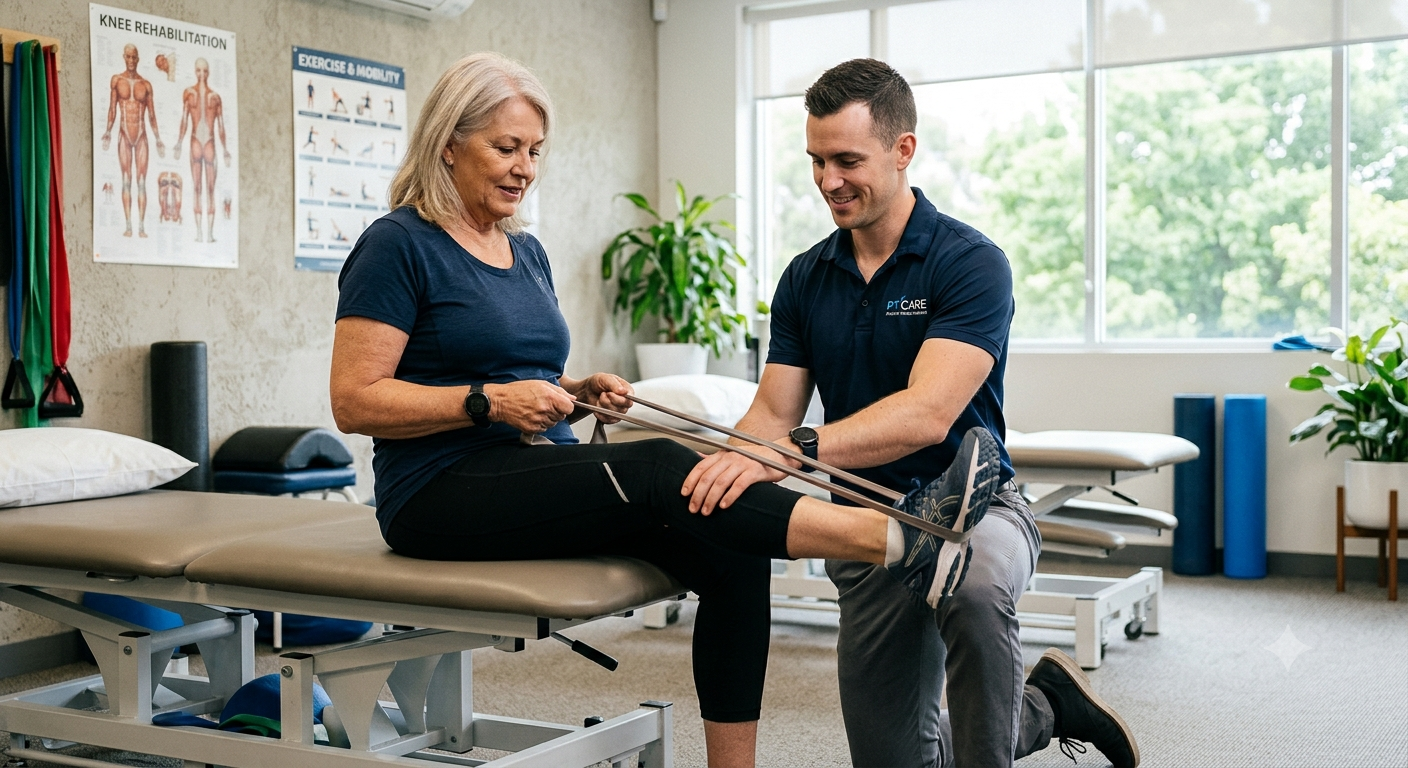
As symptoms settle, exercises may progress from calf raises and resistance-band movements to single-leg balance and more challenging tasks.
This trains the muscles and movement control that support the ankle, including your ability to respond to uneven ground. In sports injury physio in Gold Coast, balance training can be especially useful if the ankle has been sprained before.
4. Prepare for Your Sport or Routine
Finally, your physiotherapist may introduce hopping, landing, jogging, changes of direction and sport-specific drills when appropriate.
Someone playing netball has different demands from a recreational cyclist. The benefit of sports injury physio in Gold Coast is having rehabilitation tailored to those demands instead of relying only on pain disappearing.
How Long Does an Ankle Sprain Take to Heal?
Recovery varies with the injury's severity, previous sprains and the demands of your activities. Many mild sprains start feeling better within one or two weeks, although regaining full strength and confidence can take longer. More substantial injuries may need several weeks or months of rehabilitation.
A calendar date does not tell the whole story. You may be walking comfortably while still finding single-leg hopping or rapid changes of direction difficult.
Rather than promising a fixed recovery time, sports injury physio in Gold Coast can help you track function and decide when to progress.
Persistent pain, swelling, catching or a feeling that the ankle repeatedly gives way should be reassessed. These symptoms deserve more than simply waiting another week.
Can You Keep Exercising with a Sprained Ankle?
Often, some modified activity is possible, but the right choice depends on your symptoms and the injury. For example, an activity that does not stress the ankle may be easier to tolerate than running or court sport. Avoid treating pain as a challenge to push through.
A gradual plan might begin with comfortable walking and mobility, then progress to strengthening, balance, low-impact conditioning and finally higher-impact drills. Your physiotherapist can help decide which steps suit you.
If you are looking for sports injury physio in Gold Coast because training is part of your routine, explain your usual sport, weekly load and upcoming commitments. This makes it easier to plan a realistic return without ignoring the injury.
When Is It Safe to Return to Sport After an Ankle Sprain?
Returning to sport should be based on how your ankle performs, not only on whether swelling has gone down. The PAASS return-to-sport consensus considers pain, ankle function, confidence, balance and sport-specific performance.
Before a full return, consider pain during and after activity, ankle movement, strength, confidence, balance and your ability to complete the actions your sport requires.
For example, a return-to-netball plan may involve single-leg landing, jumping, pivoting and a full training session. A runner might need to tolerate increasing distances, changes in pace and uneven surfaces.
These decisions can be informed by an assessment through sports injury physio in Gold Coast, especially after a moderate or recurrent sprain.
An ankle brace or taping may be useful for some people during sport, but neither replaces strength and balance work. The goal is to return with adequate function and a clear understanding of any remaining limitations.
Why Does an Ankle Keep Rolling or Feeling Unstable?
Some people experience repeated sprains or a sensation that the ankle may give way, even after the original swelling has settled.
Previous ligament injury, reduced strength, impaired balance and incomplete rehabilitation can contribute, as described by the Better Health Channel.
That is why stopping rehabilitation as soon as walking feels normal may leave important gaps. A programme incorporating balance, proprioception (your sense of joint position), strengthening and progressive sport-specific practice can help reduce the risk of another sprain.
When researching sports injury physio in Gold Coast, look for an approach that considers previous injuries and tests how well your ankle performs, rather than focusing only on the painful spot.
Do You Need an X-Ray Before Seeing a Physiotherapist?
Not everyone with an ankle sprain needs an X-ray. A healthcare professional can assess factors such as bony tenderness and your ability to walk to decide whether fracture imaging is indicated.
Ultrasound or MRI is not routinely needed for a straightforward sprain, but persistent or unusual symptoms may require further investigation.
If there is a possibility of fracture, seek medical advice promptly. A physiotherapist offering sports injury physio in Gold Coast can help identify when a medical review is appropriate; imaging decisions depend on the clinical findings.
Ankle Sprain Care at Elanora Physiotherapy
Elanora Physiotherapy provides sports injury assessment and rehabilitation for people living in Elanora, Palm Beach, Currumbin and nearby Gold Coast suburbs. The clinic's approach includes individualised assessment, hands-on treatment where appropriate, exercise rehabilitation and return-to-sport planning.
Whether you rolled your ankle during local sport or still feel unsteady weeks after a fall, discussing your goals can help determine whether physiotherapy is appropriate.
If you are comparing sports injury physio in Gold Coast options, ask what your assessment will involve, what you can do at home and how progress will be reviewed.
Not sure whether your ankle sprain needs physiotherapy? At Elanora Physiotherapy, we provide individualised assessments and tailored rehabilitation programs to help you understand your injury, manage symptoms and work towards returning to everyday activities or sport. Whether you're dealing with a recent ankle sprain, ongoing discomfort or recurring ankle instability, our team can assess your condition and recommend suitable rehabilitation options based on your needs and goals.
If you're looking for sports injury physio in Gold Coast, Elanora Physiotherapy offers a personalised approach to injury management and recovery. Explore our sports injury physiotherapy Gold Coast services and get in touch with our friendly team to discuss your options and take the next step towards returning to the activities you enjoy.