











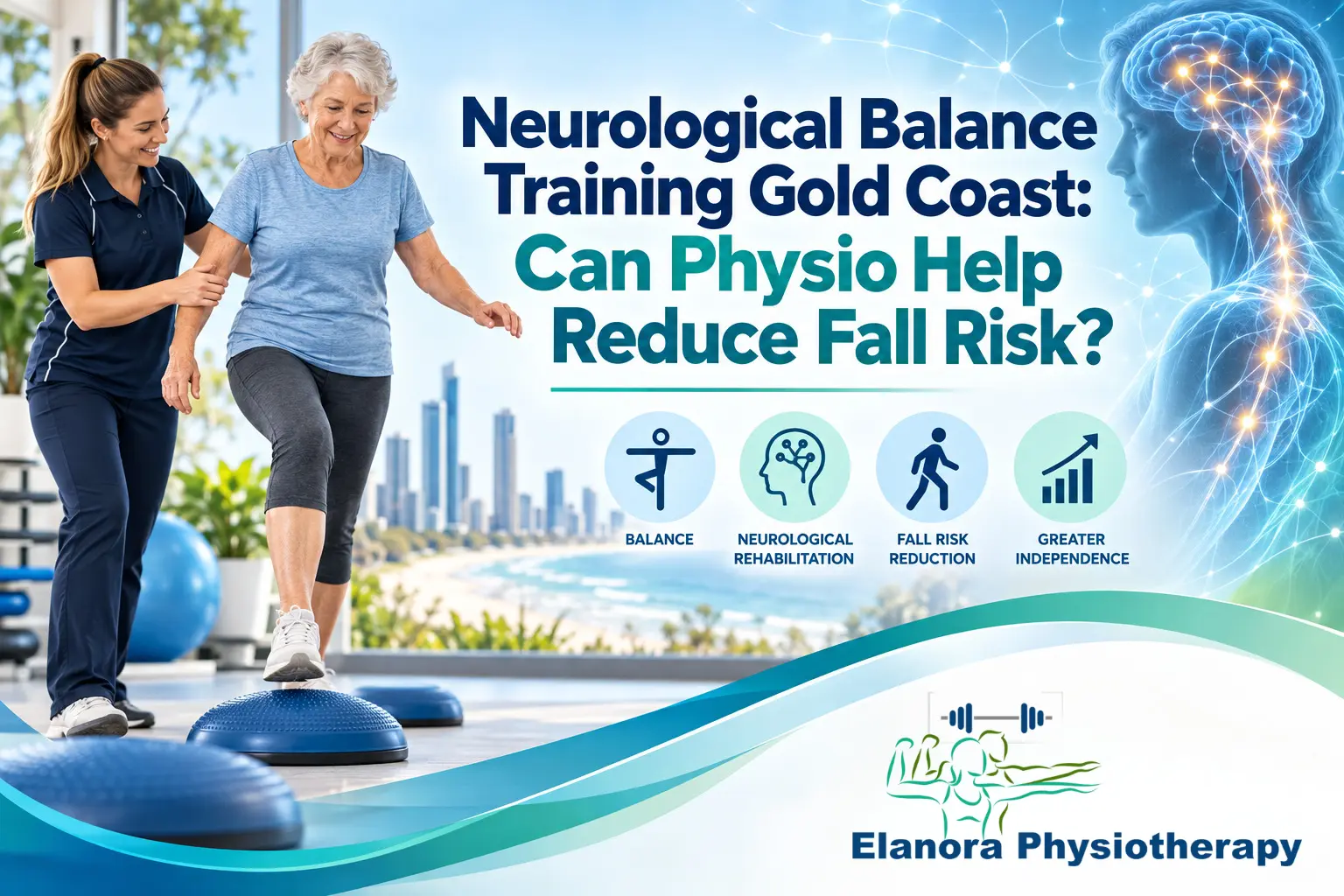
Neurological Balance Training Gold Coast: Can Physio Help Reduce Fall Risk?
Feeling unsteady, losing confidence when walking or worrying about falls can make everyday life more difficult. For people living with a neurological condition, these changes may be linked to weakness, altered sensation, slower reactions, poor coordination or changes in walking patterns. Neurological balance training Gold Coast programs can help identify these movement problems and address them through structured rehabilitation. If you are looking for neurological physio Gold Coast support, a physiotherapy assessment can help clarify what is affecting your balance and guide a safer, more individualised plan.
What Is Neurological Balance Training Gold Coast?
Neurological balance training Gold Coast is a physiotherapy approach designed to improve stability, postural control, coordination and confidence in people whose balance has been affected by a neurological condition or event. Treatment is not based on a generic list of exercises. Instead, it considers how the person moves, where they feel unsteady and which daily activities are most important to them.
A physiotherapist may assess standing balance, walking, turning, transfers, coordination, strength, reaction speed and functional mobility. These findings help shape a personalised program that may include balance exercises, gait retraining, strengthening, task-specific movement practice and strategies to reduce fall risk.
The goal is not to promise that every fall can be prevented. Rather, Neurological Balance Training Gold Coast aims to address modifiable risk factors and help people move with greater control, confidence and safety in everyday situations.
Why Can Neurological Conditions Affect Balance?
The nervous system helps coordinate posture, sensation, movement and reactions. When the brain, spinal cord or nerves are affected, the body may have more difficulty responding quickly and accurately during standing or walking.
Balance problems may occur after stroke or brain injury, or alongside conditions such as Parkinson's disease, multiple sclerosis or spinal cord injury. Some people notice one-sided weakness, stiffness, fatigue, altered sensation, slower stepping reactions or difficulty adjusting their feet when the surface or direction changes.
Because the cause of poor balance differs from person to person, neurological balance training Gold Coast should be individualised. A tailored program can then focus on the specific movement problems affecting the person's daily activities, independence and confidence. In this way, neurological balance training Gold Coast can address the functional challenges that matter most to each person.
What Are the Signs You May Need Balance Rehabilitation?
Balance problems are not always obvious at first. Some people adapt by walking more slowly, avoiding uneven ground, holding onto furniture or limiting community activities. Over time, these changes can reduce confidence and independence.
Signs that may justify a physiotherapy assessment include:
- Repeated falls or near-falls
- Unsteadiness while standing or walking
- Difficulty turning or changing direction
- Trouble walking on stairs or uneven surfaces
- Reduced foot clearance or shuffling
- Difficulty rising from a chair
- Poor coordination during movement
- Increasing reliance on furniture or another person
- Reduced confidence when walking outdoors
- Avoiding activities because of fear of falling
If these concerns are linked to a known neurological condition, neurological balance training Gold Coast may form part of a broader rehabilitation plan.
Sudden new loss of balance, particularly with facial drooping, weakness, speech difficulty or other acute neurological symptoms, requires urgent medical assessment rather than routine physiotherapy.
Can Physio Help Reduce Fall Risk?
Physiotherapy may help reduce fall risk when treatment targets the factors contributing to instability. Falls are often influenced by several issues at once, so no single exercise or therapy can guarantee that a fall will never happen.
For someone with neurological balance problems, treatment may focus on leg strength, postural control, stepping reactions, walking quality, coordination, transfers and confidence. A physiotherapist may also discuss suitable mobility aids, footwear, home safety and whether input from other health professionals is appropriate.
Neurological balance training Gold Coast can therefore be most useful when it forms part of a broader, person-centred assessment. The aim is to improve the factors that can be changed while helping the person make safer decisions in daily life. For people with neurological movement changes, neurological balance training Gold Coast may also support safer practice of walking, turning and transfers.
What Exercises Are Used in Neurological Balance Training?
Exercises vary depending on diagnosis, ability, goals and fall risk. A safe program may begin with supported tasks and progress as the person becomes more capable. For this reason, neurological balance training Gold Coast should be progressed according to the person's response rather than by following a fixed exercise routine.
Static and Dynamic Balance Exercises
Static balance exercises may involve maintaining a stable standing position with an appropriate level of support. Dynamic balance exercises add movement, such as controlled reaching, weight shifting, stepping, turning or changing direction.
These tasks can be modified to suit the person's ability and gradually made more challenging as control improves. A key part of neurological balance training Gold Coast is matching the level of challenge to the person's current ability and safety needs.
Strength and Postural Control
Weakness through the legs, hips or trunk can affect balance and make transfers or walking harder. Strength exercises may therefore be included to support standing, rising from a chair, walking and other functional tasks.
In neurological rehabilitation, strength work is often linked to movement quality. The goal is not simply to lift more weight, but to improve how the person controls movement in everyday activities.
Gait and Walking Retraining
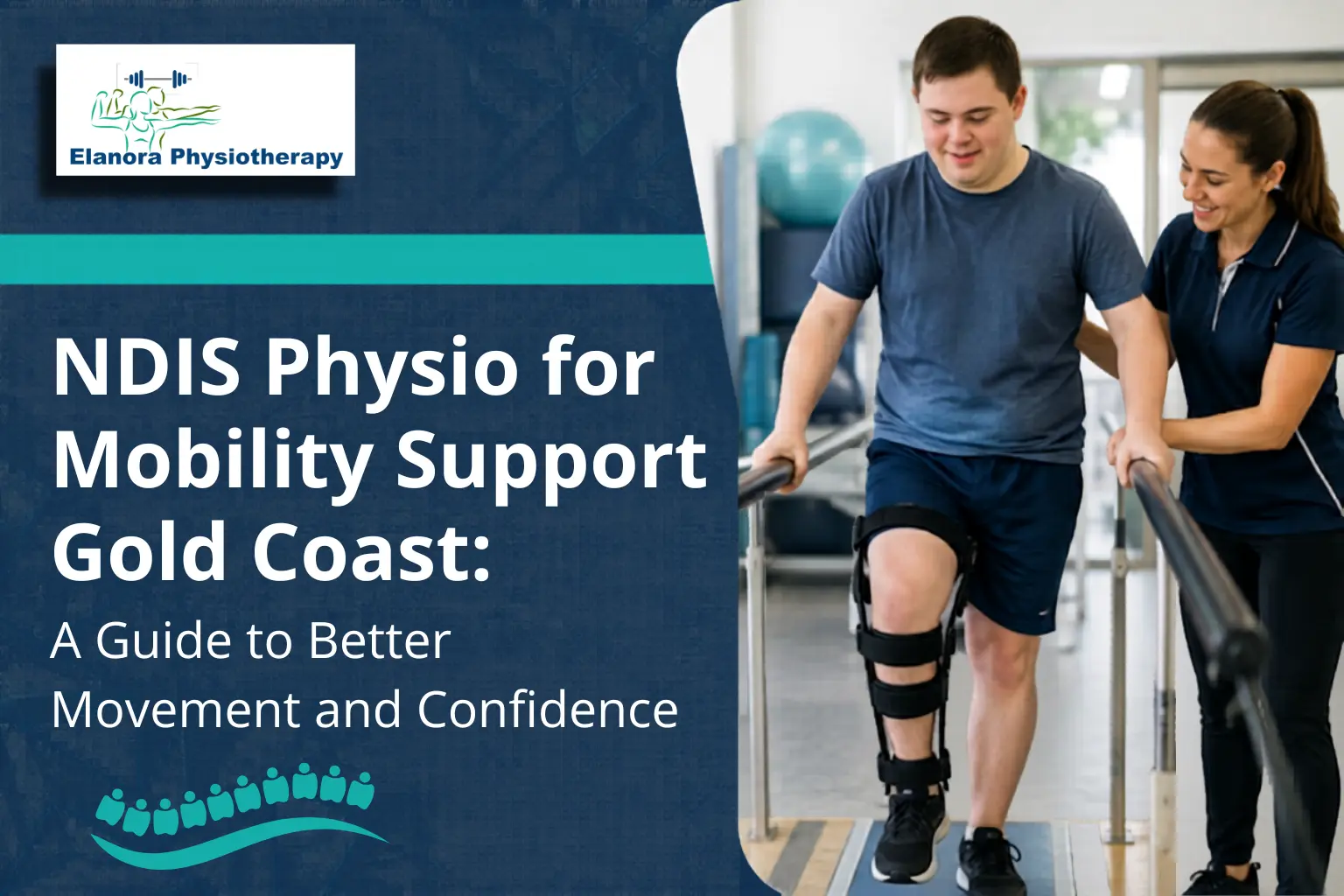
Walking practice may focus on step length, foot clearance, pace, turning, obstacle negotiation and safe changes in direction. Where appropriate, neurological balance training Gold Coast may also include practice with a suitable walking aid.
Gait retraining can be especially useful when neurological changes affect how someone places their feet, shifts their weight or reacts when turning.
Task-Specific Functional Practice
Rehabilitation is often more meaningful when exercises reflect daily life. This may involve standing from a chair, reaching into a cupboard, stepping onto a kerb, navigating around furniture or practising safe movement in a community setting.
Task-specific practice helps connect therapy with real goals rather than treating balance as an isolated skill. This makes neurological balance training Gold Coast more relevant to the movements a person actually needs at home and in the community.
How Does a Physiotherapist Assess Neurological Balance Problems?
A neurological physiotherapy assessment looks beyond whether a person can simply stand still. The physiotherapist may observe sitting to standing, walking, turning, reaching, stepping, changing speed and responding to movement challenges.
Assessment may also consider strength, coordination, sensation, posture, endurance, mobility confidence and the person's history of falls or near-falls. Standardised balance or mobility measures may be used where appropriate to track changes over time.
At Elanora Physiotherapy, neurological physiotherapy Gold Coast care can be tailored to the person's functional goals and current ability. This helps ensure that treatment remains relevant to the activities the person wants to perform more safely and confidently.
Can Balance Training Help After Stroke or With Parkinson's Disease?
Balance rehabilitation may be useful for a range of neurological conditions, although the treatment approach differs depending on diagnosis and presentation.
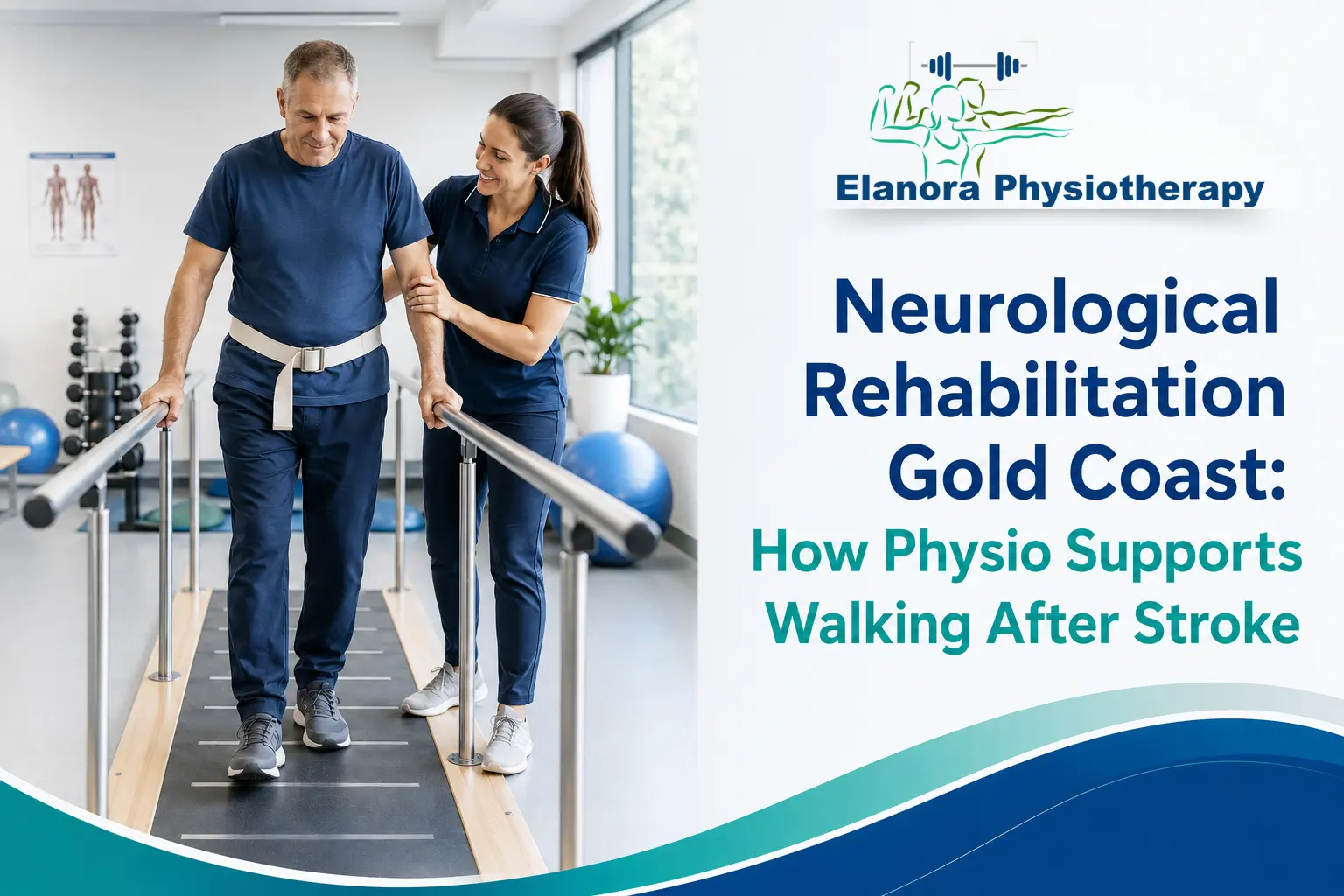
After a stroke, a person may experience weakness, altered sensation, reduced coordination or difficulty controlling movement on one side. Physiotherapy may include task-specific practice, strengthening and walking rehabilitation to address these limitations.
People living with Parkinson's disease may experience changes in posture, turning, step length, walking speed or movement initiation. A tailored neurological balance training Gold Coast program can focus on these specific movement challenges rather than giving every person the same exercises.
People with multiple sclerosis, brain injury or spinal cord injury may also require different strategies depending on fatigue, strength, sensation, coordination and mobility levels.
How Long Does Neurological Balance Rehabilitation Take?
There is no single timeframe for neurological rehabilitation. Progress depends on the underlying condition, severity of impairment, general health, previous function, consistency with exercises and individual goals.
One person may be working towards safer walking around the home, while another may be rebuilding confidence outdoors or after a neurological event. Neurological balance training Gold Coast should therefore be reviewed according to measurable changes in function rather than a fixed number of appointments.
A physiotherapist can help set realistic short-term and longer-term goals and adjust the program as the person progresses. Regular review also helps ensure neurological balance training Gold Coast continues to match changing ability, confidence and functional goals.
Why Individualised Balance Training Matters?
Generic exercises found online may not address the reason a person is unsteady. In some cases, they may be too easy, too difficult or unsafe without the right support.
Individualised neurological balance training Gold Coast considers diagnosis, movement pattern, strength, coordination, mobility and falls history. It can also account for the activities the person wants to return to, whether that means moving around the home, walking outdoors, using stairs or participating more confidently in community life.
This is important because balance problems can result from several interacting factors. Effective neurological physiotherapy Gold Coast care therefore focuses on meaningful function, safe progression and strategies that suit the person's everyday environment.
Can Neurological Balance Training Improve Walking Confidence?
Fear of falling can gradually lead to less movement. Some people stop walking outside, avoid busy places, reduce social activities or depend more heavily on another person for support.
Appropriately progressed neurological balance training Gold Coast can give people a structured way to practise movements while working towards functional goals. Improving strength, balance reactions and movement control may also support greater confidence during everyday activities.
Confidence should develop alongside physical capacity. Rehabilitation should challenge the person enough to encourage progress without exposing them to unnecessary risk. For this reason, neurological balance training Gold Coast should be progressed carefully and reviewed as mobility changes.
Is Balance Training Only for Older People?
No. Although falls are a major concern for older Australians, neurological balance difficulties can affect adults of different ages.
A younger person recovering from brain injury, spinal cord injury or stroke may experience balance and coordination problems. Likewise, someone living with multiple sclerosis or another neurological condition may notice changes in walking and stability even if they previously had no mobility problems.
Neurological balance training Gold Coast is therefore based on the person's condition, movement needs and goals rather than age alone.
How Can Balance Rehabilitation Support Everyday Mobility?
Balance is required for far more than walking in a straight line. Everyday activities often involve reaching, bending, turning, changing direction, navigating obstacles and moving between different surfaces.
As a result, rehabilitation may focus on practical movements a person regularly performs. For example, someone may need to practise getting out of bed, moving safely through the kitchen, walking to the letterbox, stepping over a doorway or navigating a shopping centre.
By linking exercises with everyday tasks, neurological balance training Gold Coast can help make rehabilitation more relevant to the person's lifestyle. Functional goals also give the physiotherapist and patient clearer ways to monitor progress over time.
Can Home Exercises Support Neurological Balance Rehabilitation?
A home exercise program may complement supervised physiotherapy when exercises have been selected for the individual's ability and safety level.
Home exercises may focus on strength, controlled weight shifting, functional movements, walking practice or other activities recommended by the physiotherapist. However, people with significant instability or a high risk of falling may require supervision for certain exercises.
Therefore, home programs should be appropriate to the person's environment, mobility level and neurological condition. The aim is to reinforce skills safely rather than simply increase the number of exercises performed.
When combined with regular review, neurological balance training Gold Coast can be adjusted as strength, mobility and confidence change.
Neurological Balance Training in Elanora and the Southern Gold Coast
For people in Elanora, Palm Beach, Currumbin, Tugun, Tallebudgera and surrounding areas, accessing local rehabilitation can make it easier to attend regular appointments and stay consistent with home exercises.
Elanora Physiotherapy is based at Pines Shopping Centre in Elanora and provides neurological physiotherapy Gold Coast services focused on movement, strength, balance, coordination, walking and functional rehabilitation.
Depending on individual needs, care may include clinic-based rehabilitation, guided exercises, home programs and practical mobility or falls-prevention strategies.
If poor balance, unsteadiness or reduced walking confidence is affecting daily life, neurological balance training Gold Coast may help identify practical areas to work on and provide a structured pathway towards safer movement.
If you or someone you support is experiencing neurological balance problems, recurrent near-falls or reduced confidence with walking, contact us to discuss an individual assessment. Our clinic at Pines Shopping Centre in Elanora supports people across the southern Gold Coast with personalised rehabilitation focused on practical goals, mobility and independence. Book an appointment to learn how neurological physiotherapy treatment may support safer movement and help reduce fall risk.