


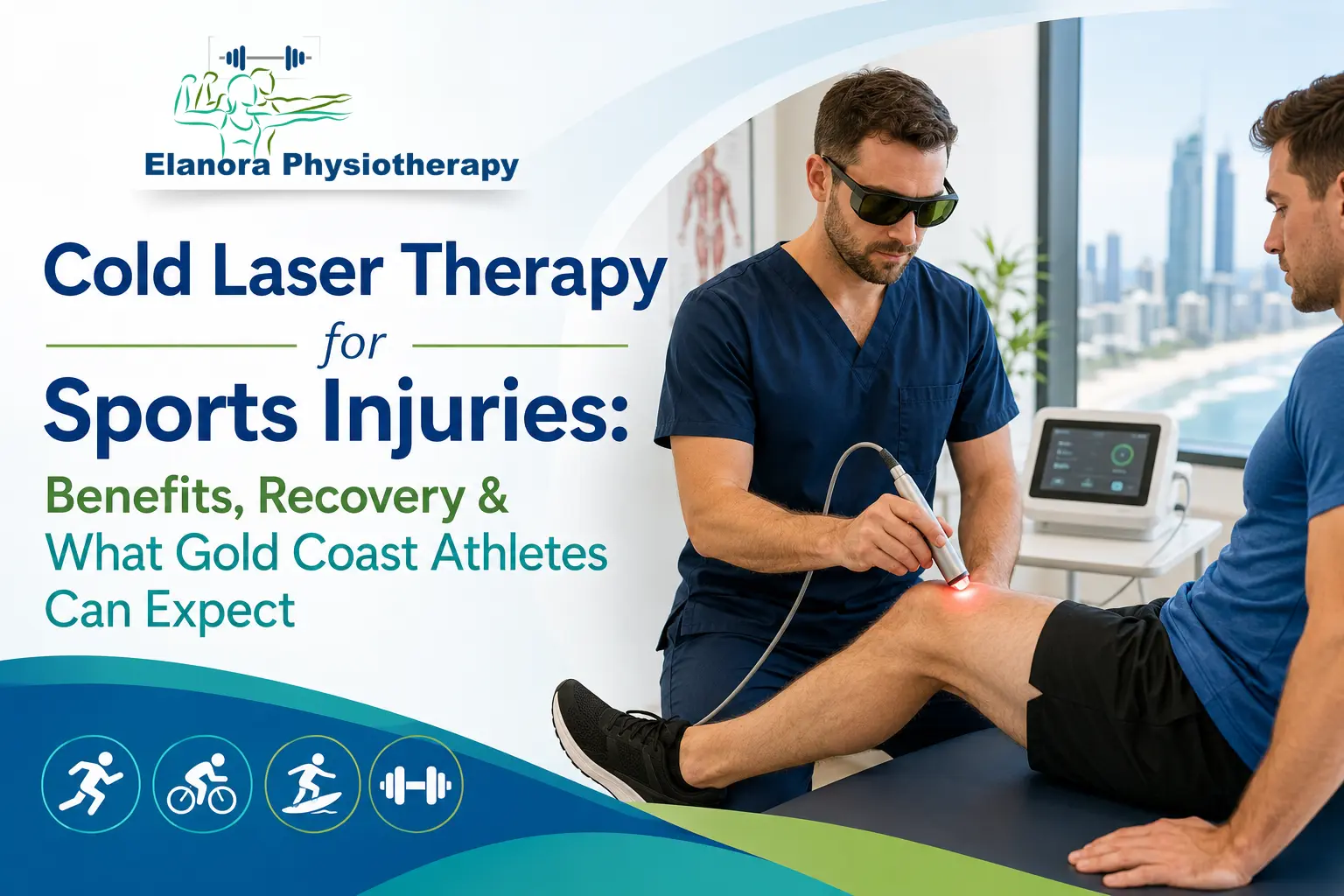
Cold Laser Therapy for Sports Injuries: Benefits, Recovery & What Gold Coast Athletes Can Expect
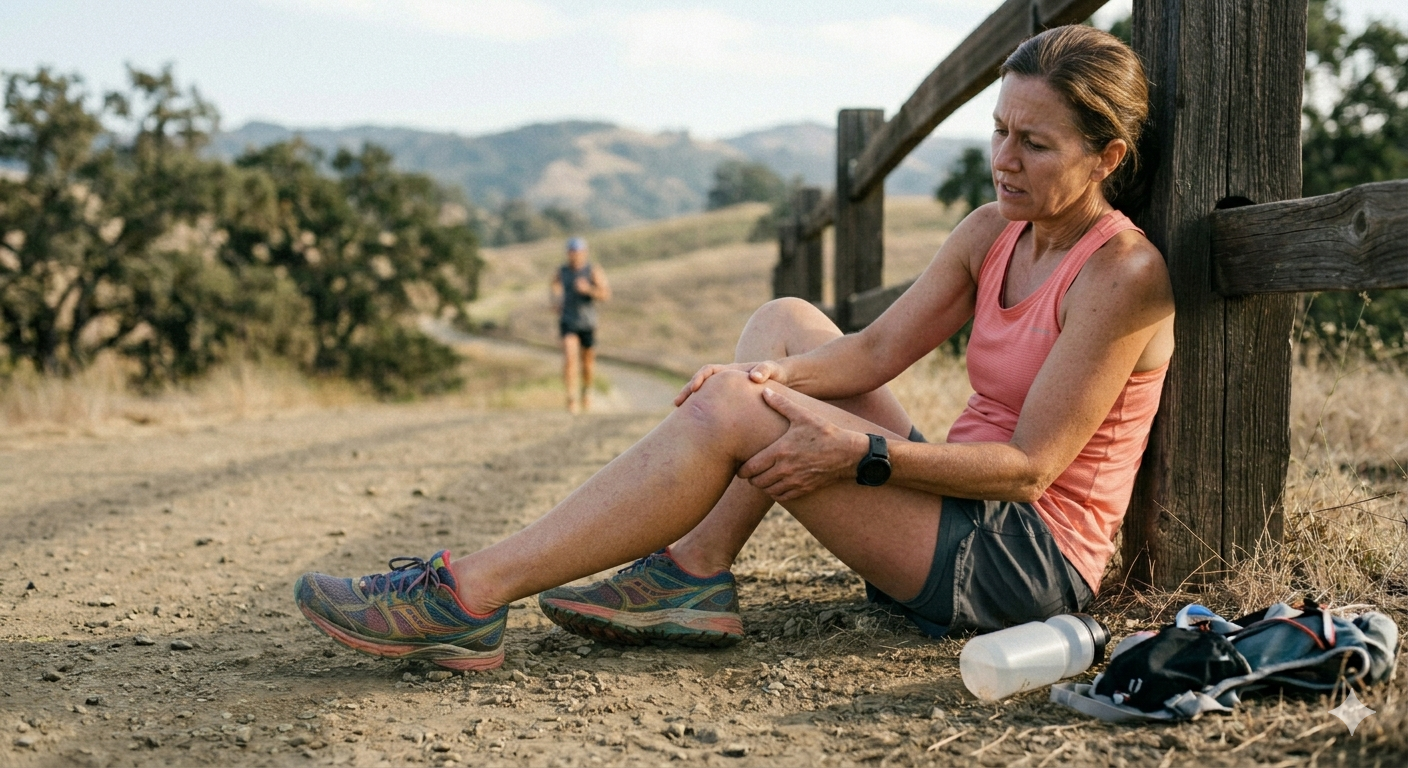
Sports injuries can interrupt training, competition and everyday movement, whether you are a runner, footballer, surfer, gym-goer or weekend athlete. For some injuries, cold laser therapy for sports injuries may be considered as part of a broader physiotherapy plan to help manage pain and support recovery. At Elanora Physiotherapy, cold laser therapy Gold Coast treatment is used alongside clinical assessment, hands-on care and exercise rehabilitation when appropriate for the individual.
What Is Cold Laser Therapy for Sports Injuries?
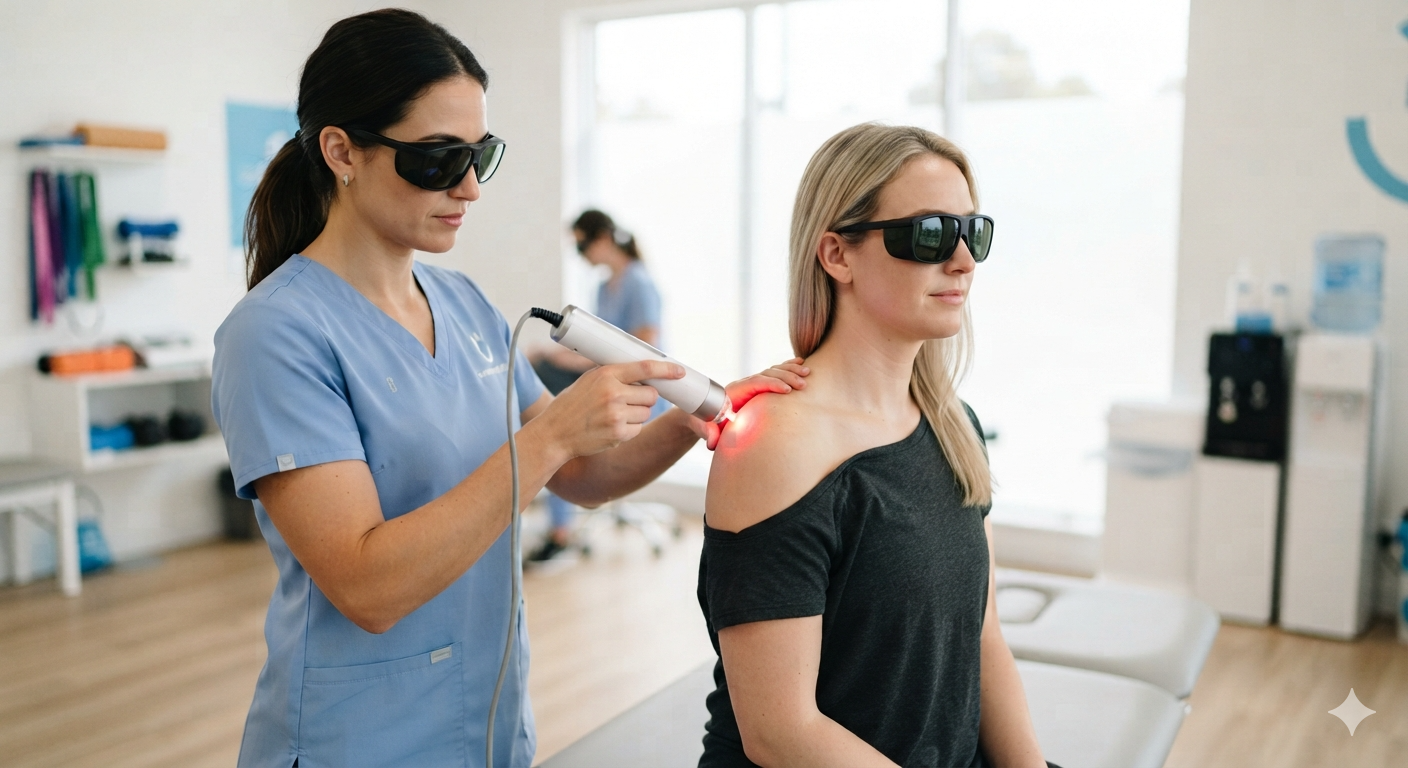
Cold laser therapy, also called Low Level Laser Therapy (LLLT) or photobiomodulation, uses specific wavelengths of low-intensity light applied over the treatment area. Unlike surgical lasers, it does not cut tissue and is not intended to heat the area. Treatment is typically painless and can usually be delivered during a physiotherapy appointment.
The aim of cold laser therapy for sports injuries is not to replace rehabilitation. Instead, it may be used as an adjunct when a physiotherapist believes it is suitable for the injury, symptoms, stage of healing and sporting goals. A complete plan may also include progressive strengthening, mobility work, load management, education and a graded return to sport.
How Can Cold Laser Therapy for Sports Injuries Support Recovery?
When an athlete is injured, pain can affect movement, training tolerance and confidence. Photobiomodulation is used clinically with the aim of influencing local biological processes associated with pain and tissue recovery. However, response varies between people and conditions.
Research in injured athletes suggests photobiomodulation may have a positive effect on musculoskeletal pain. Importantly, current evidence does not establish that it consistently shortens return-to-play time. That distinction matters: cold laser therapy for sports injuries should be viewed as one possible part of rehabilitation, rather than a shortcut that replaces exercise, progressive loading or appropriate recovery time.
What Types of Sports Injuries May Be Considered?
A physiotherapist may consider cold laser therapy for sports injuries in selected musculoskeletal presentations after assessment. Depending on the individual, these may include muscle strains, tendon problems, ligament sprains, soft-tissue injuries and some painful joint conditions.
Tendon and Overuse Injuries
Tendon problems can develop when training load, recovery and tissue capacity become mismatched. Achilles tendinopathy, tennis elbow, rotator cuff tendinopathy and other overuse presentations may require a structured loading program. In some cases, low-level laser therapy may be considered alongside that active rehabilitation.
Muscle Strains and Soft-Tissue Injuries
Hamstring, calf and other muscle strains are common in running, field sports and gym training. Cold laser therapy for sports injuries may sometimes be used to support symptom management while the athlete progresses through strength, mobility and sport-specific exercises.
Sprains and Joint-Related Pain
Ankle sprains and other ligament injuries often need more than symptom relief. Restoring balance, strength, control and confidence is important before returning to demanding activity. Where appropriate, laser therapy may form one part of that wider rehabilitation approach.
Does Cold Laser Therapy Work for Sports Injuries?
This is one of the most common questions athletes ask. The most accurate answer is that results depend on the injury, treatment parameters and the overall rehabilitation plan.
A 2024 systematic review and meta-analysis of six randomised controlled trials involving injured competitive and recreational athletes found that photobiomodulation had a positive effect on pain compared with control treatments. However, the limited studies examining return to play did not show that the treatment reduced the time required to return to sport.
Therefore, cold laser therapy for sports injuries may be useful for selected athletes, particularly as a pain-management adjunct, but it should not be presented as a guaranteed way to heal an injury faster.
What Are the Potential Benefits for Gold Coast Athletes?
For an appropriate presentation, possible benefits of cold laser therapy for sports injuries may include helping manage localised pain, supporting comfortable movement during rehabilitation and complementing a structured physiotherapy program.
For active people across Elanora and the wider Gold Coast, the practical goal is usually bigger than simply reducing discomfort. Athletes often want to restore strength, tolerate training loads, regain confidence and return to their sport safely. This is why treatment decisions should be linked to function rather than based on pain alone.
Can Cold Laser Therapy for Sports Injuries Speed Up Recovery or Return to Sport?
It is understandable to want the quickest possible recovery, especially when a competition, match or event is approaching. However, recovery timelines are influenced by the type and severity of injury, tissue involved, training demands, previous injuries, sleep, general health and adherence to rehabilitation.
Cold laser therapy for sports injuries may help some people manage symptoms, but current athlete-specific evidence does not prove that it reliably shortens return-to-play time. A better approach is to use clinical findings and functional milestones to guide progression.
For example, an athlete may need appropriate strength, range of motion, power, balance and sport-specific capacity before returning to full training. Symptom improvement alone does not always mean the injured area is ready for maximum load.
What Does Recovery Look Like With Cold Laser Therapy for Sports Injuries?
There is no single number of sessions that suits every athlete. The frequency and duration of treatment depend on the injury, irritability of symptoms, treatment response and overall rehabilitation goals.
If cold laser therapy for sports injuries is considered appropriate, your physiotherapist can explain how it fits into your treatment plan and review your response over time. Treatment should be adjusted when necessary rather than continued automatically without reassessment.
What Happens During a Cold Laser Therapy Appointment?
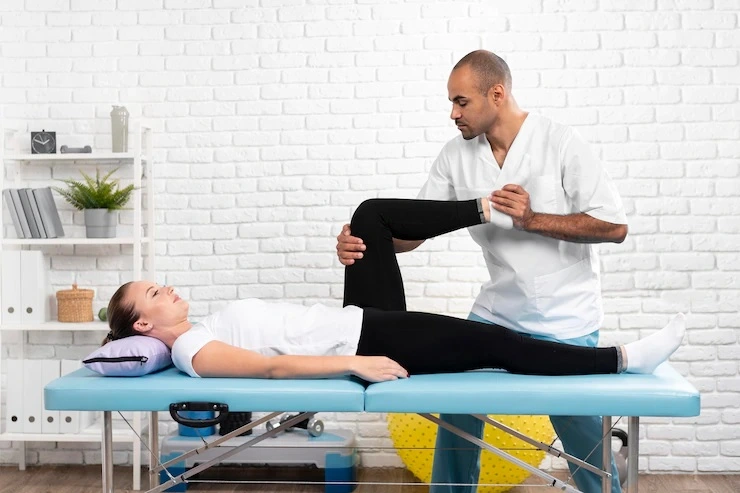
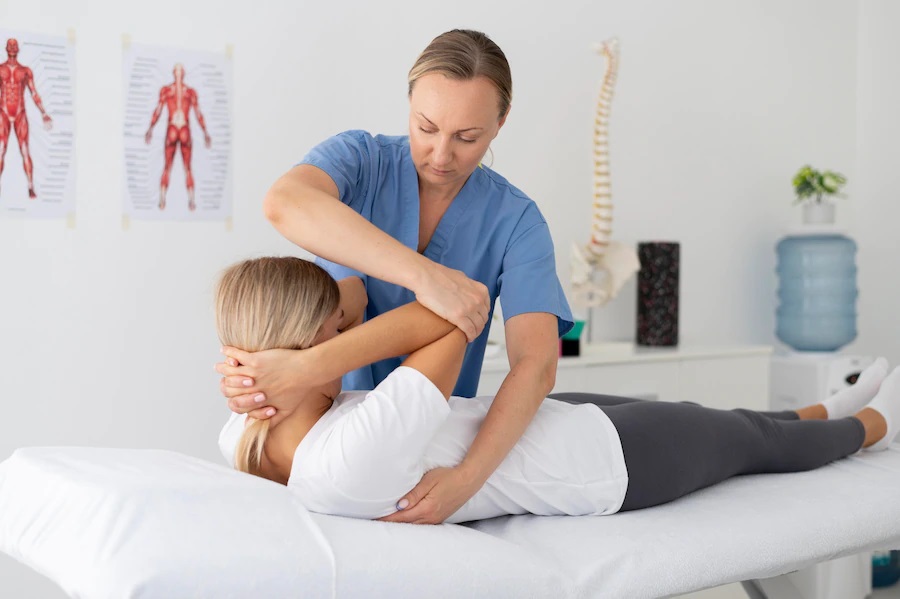
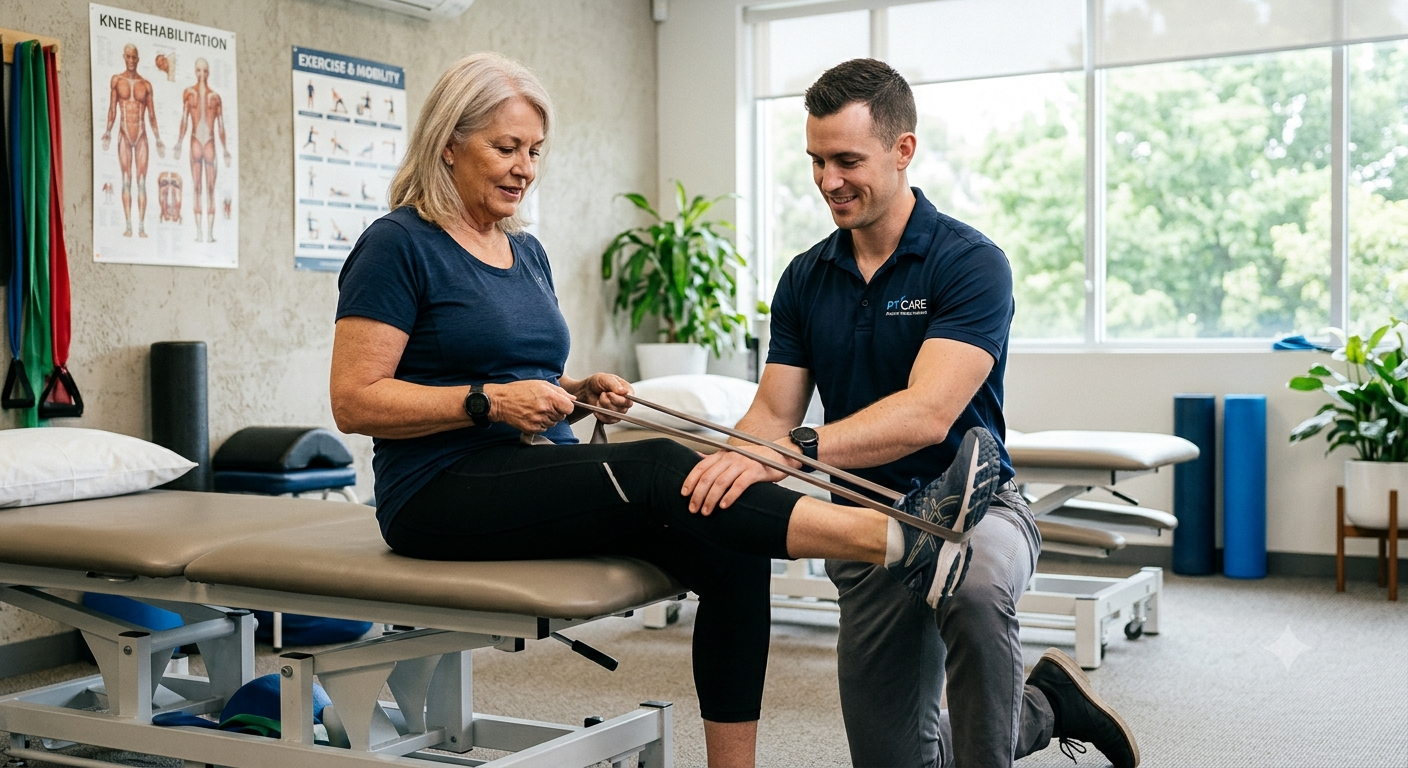
At Elanora Physiotherapy, your appointment begins with understanding the problem rather than simply applying a treatment device. Your physiotherapist may assess your symptoms, movement, strength, sporting demands, training history and factors that may be contributing to the injury.
If cold laser therapy for sports injuries is suitable, the laser is applied directly over the relevant area for a short period. The treatment is generally painless and does not require the downtime associated with invasive procedures. It may then be combined with manual therapy, exercise prescription or other rehabilitation strategies according to your needs.
Can You Train After Cold Laser Therapy?
Whether you should train depends more on the injury and current rehabilitation stage than on the laser treatment itself. Some athletes may continue modified training, while others may temporarily need to reduce speed, volume, impact or intensity.
Cold laser therapy for sports injuries should therefore sit within a clear load-management plan. Your physiotherapist can help identify what you can safely continue, what needs to be modified and when to progress.
Why Combine Cold Laser Therapy With Sports Physiotherapy?
Passive treatment alone rarely addresses every factor involved in a sporting injury. Strength deficits, mobility restrictions, training errors, poor load tolerance or movement-control issues may still need attention.
Combining cold laser therapy for sports injuries with physiotherapy allows treatment to focus on both symptoms and function. For athletes looking for sports injury physiotherapy Gold Coast care, this may include progressive strengthening, mobility exercises, education, load management and return-to-sport testing based on the demands of their activity.
This approach is particularly valuable for recurrent injuries. Instead of only settling the painful area, rehabilitation can address the physical capacities required to reduce the likelihood of the same problem returning.
Is Cold Laser Therapy for Sports Injuries Safe for Athletes?
Cold laser therapy is non-invasive and is generally described as painless when appropriately applied. Even so, it is not automatically suitable for every person, injury or body area. A qualified health professional should assess whether it is appropriate and take relevant precautions.
If you have an undiagnosed injury, significant swelling, severe pain, neurological symptoms or symptoms following a major traumatic event, assessment is important before deciding on treatment. The priority is identifying what you are dealing with and choosing care that matches the presentation.
Is Cold Laser Therapy Right for Your Sports Injury?
The best treatment is the one that fits the individual athlete and the actual injury. Cold laser therapy for sports injuries may be considered for some tendon, muscle, soft-tissue and pain presentations, but it works best when decisions are based on assessment and integrated with an active rehabilitation plan.
At Elanora Physiotherapy, the aim is to help Gold Coast athletes understand their injury, manage symptoms and rebuild the strength and function needed for sport. If you are unsure whether laser treatment is relevant to your situation, a physiotherapy assessment can help clarify your options.
Dealing with a sports injury that is affecting training, competition or everyday movement? Speak with Elanora Physiotherapy to discuss an individual physiotherapy assessment and whether cold laser therapy for sports injuries may be appropriate as part of your rehabilitation. Learn more about our cold laser therapy Gold Coast service or contact us to take the next step towards a safe, progressive return to activity.