











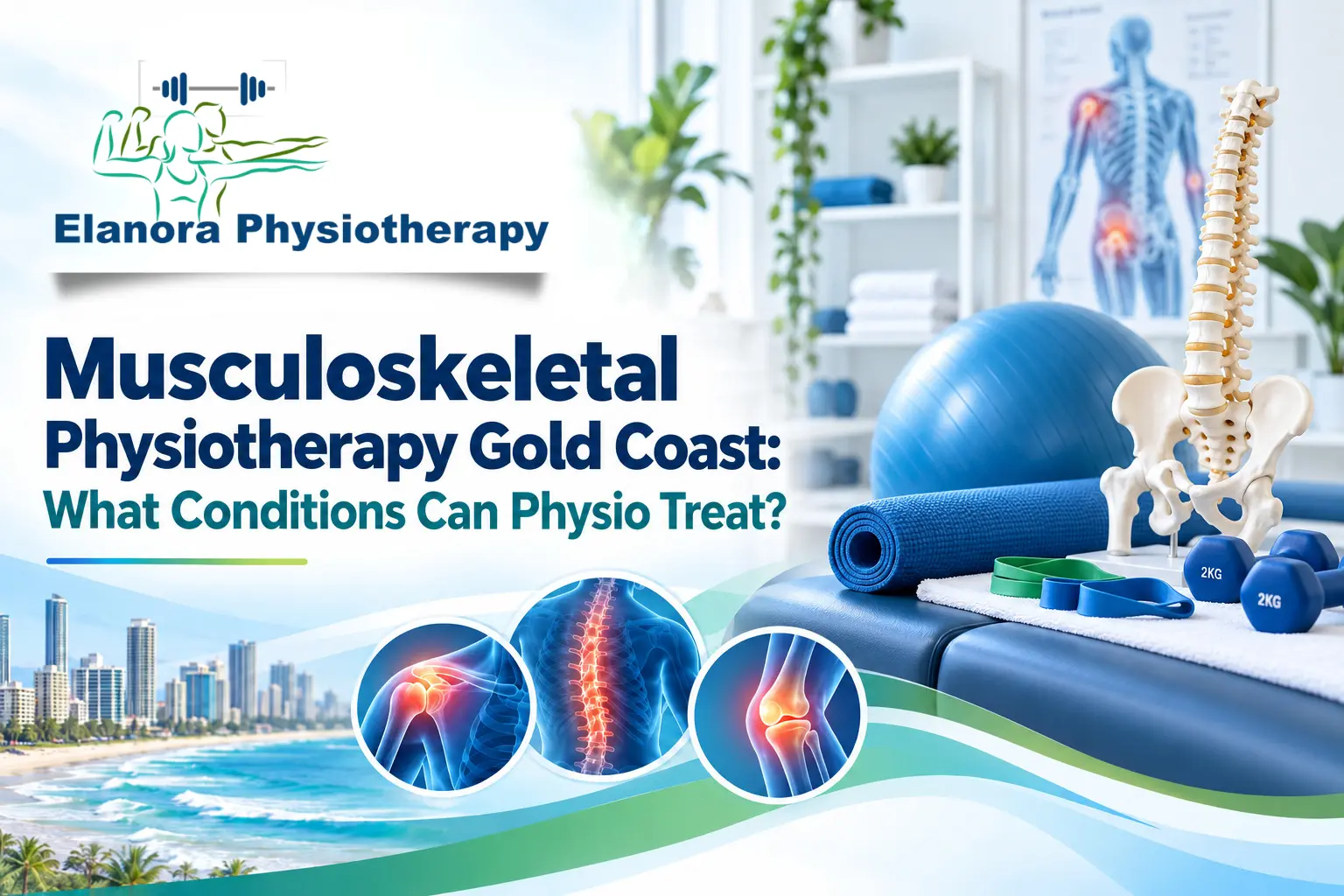
Musculoskeletal Physiotherapy Gold Coast: What Conditions Can Physio Treat?
Pain, stiffness and reduced movement can interfere with work, sport, exercise and everyday life. Musculoskeletal physiotherapy Gold Coast can help assess the physical factors contributing to these problems and guide a personalised rehabilitation plan. People looking for physiotherapy services on the Gold Coast often need support for back pain, neck pain, joint problems, muscle strains, tendon injuries, work-related pain or sports injuries. A physiotherapy assessment can help clarify what may be causing symptoms and what steps may support a safe return to normal activity.
What Is Musculoskeletal Physiotherapy?
Musculoskeletal physiotherapy focuses on conditions involving muscles, joints, bones, tendons, ligaments and other soft tissues that support movement. It also considers how strength, mobility, posture, workload and activity levels may influence pain or reduced function.
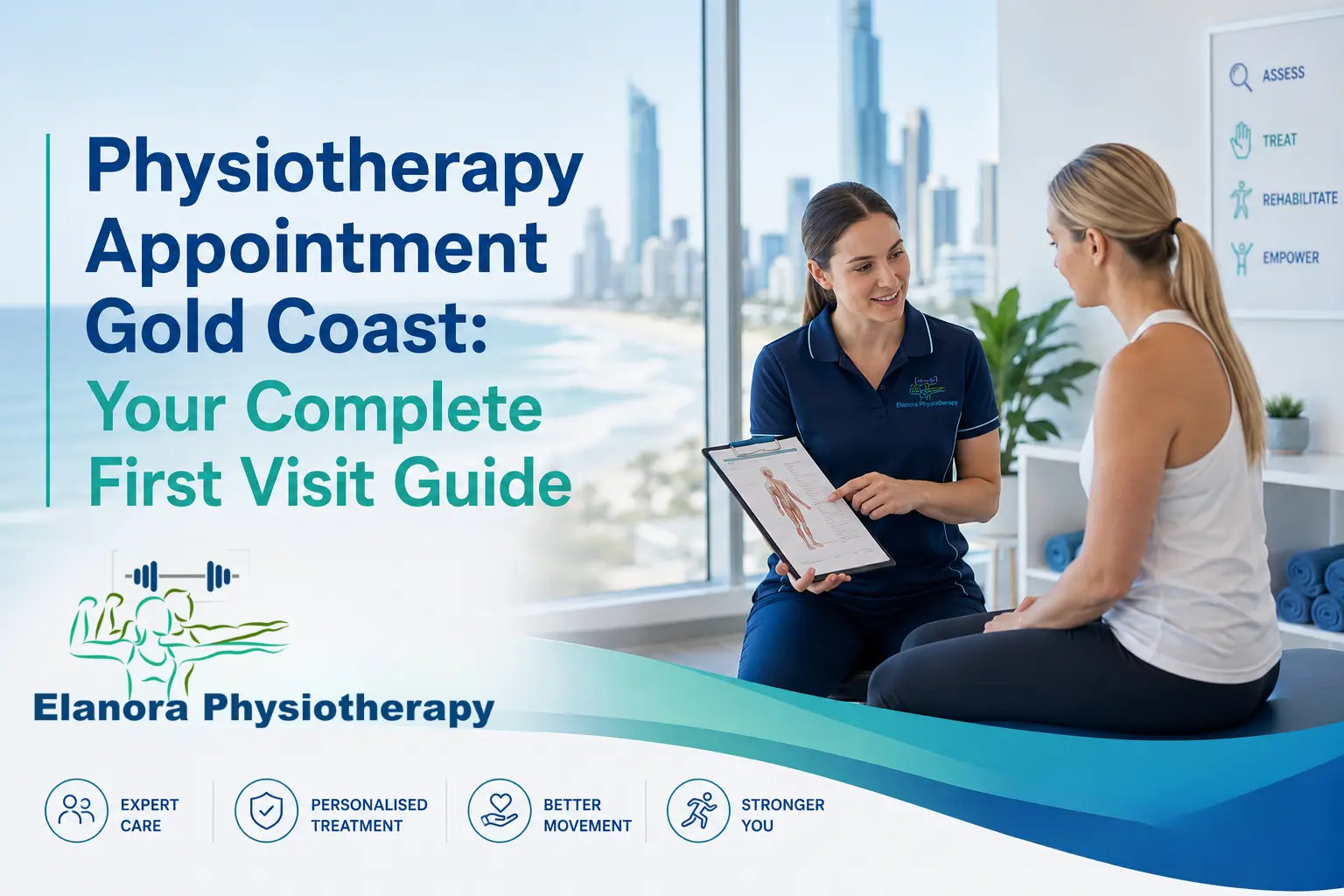
Musculoskeletal physiotherapy Gold Coast usually begins with an individual assessment. A physiotherapist may ask about your symptoms, previous injuries, work, exercise habits and daily activities before assessing movement, strength, flexibility and functional capacity.
The aim is not simply to reduce discomfort. Where appropriate, treatment may also focus on restoring movement, rebuilding strength and helping you return to work, sport or everyday activity with greater confidence.
What Conditions Can Musculoskeletal Physiotherapy Treat?
Musculoskeletal physiotherapy Gold Coast can be used for a wide range of acute and persistent problems that affect movement and function. These may include back pain, neck pain, shoulder problems, hip and knee pain, joint stiffness, muscle strains, ligament sprains, tendon-related pain and overuse injuries.
The right treatment depends on the condition, how long symptoms have been present, your health history and what you need to return to. Therefore, physiotherapy should be tailored rather than based on a one-size-fits-all program.
Can Physio Help Back Pain and Sciatica?
Lower back pain is a common reason people seek physiotherapy. Symptoms may develop after lifting, prolonged sitting, physical work, sport or repetitive activity. In some cases, there may not be one clear cause.
With musculoskeletal physiotherapy Gold Coast, an assessment may look at spinal movement, hip mobility, strength, work demands and activities that aggravate symptoms. Treatment may include education, graded exercise, movement retraining, strength work and hands-on treatment where clinically appropriate.
Sciatica-like symptoms can include pain, tingling, numbness or altered sensation into the leg. Because nerve-related symptoms can have different causes, a physiotherapist may assess whether physiotherapy is suitable or whether further medical review is required.
Physiotherapy for Neck and Shoulder Pain
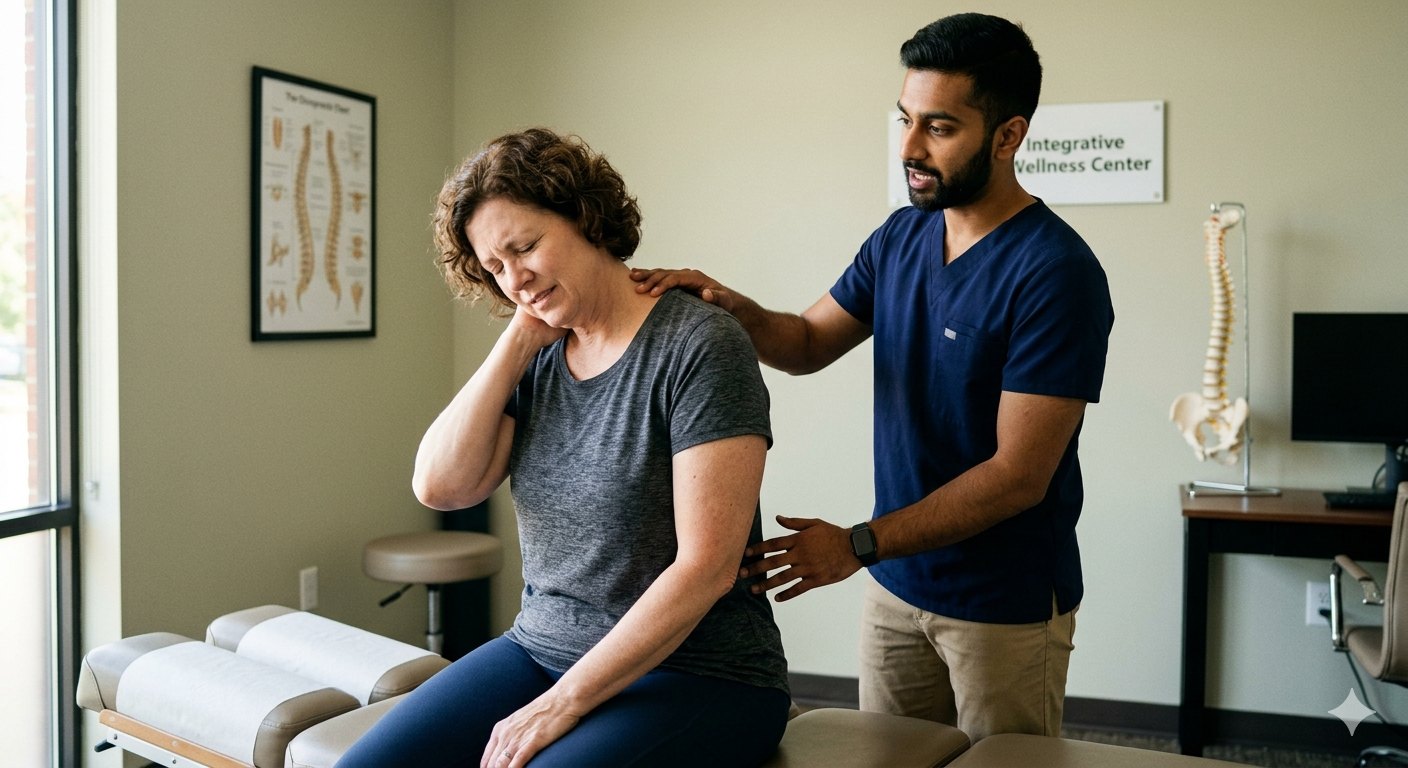
Neck and shoulder pain may be linked with work, sport, prolonged desk tasks, lifting, repetitive movements or injury. These problems can affect sleeping, driving, reaching and working overhead.
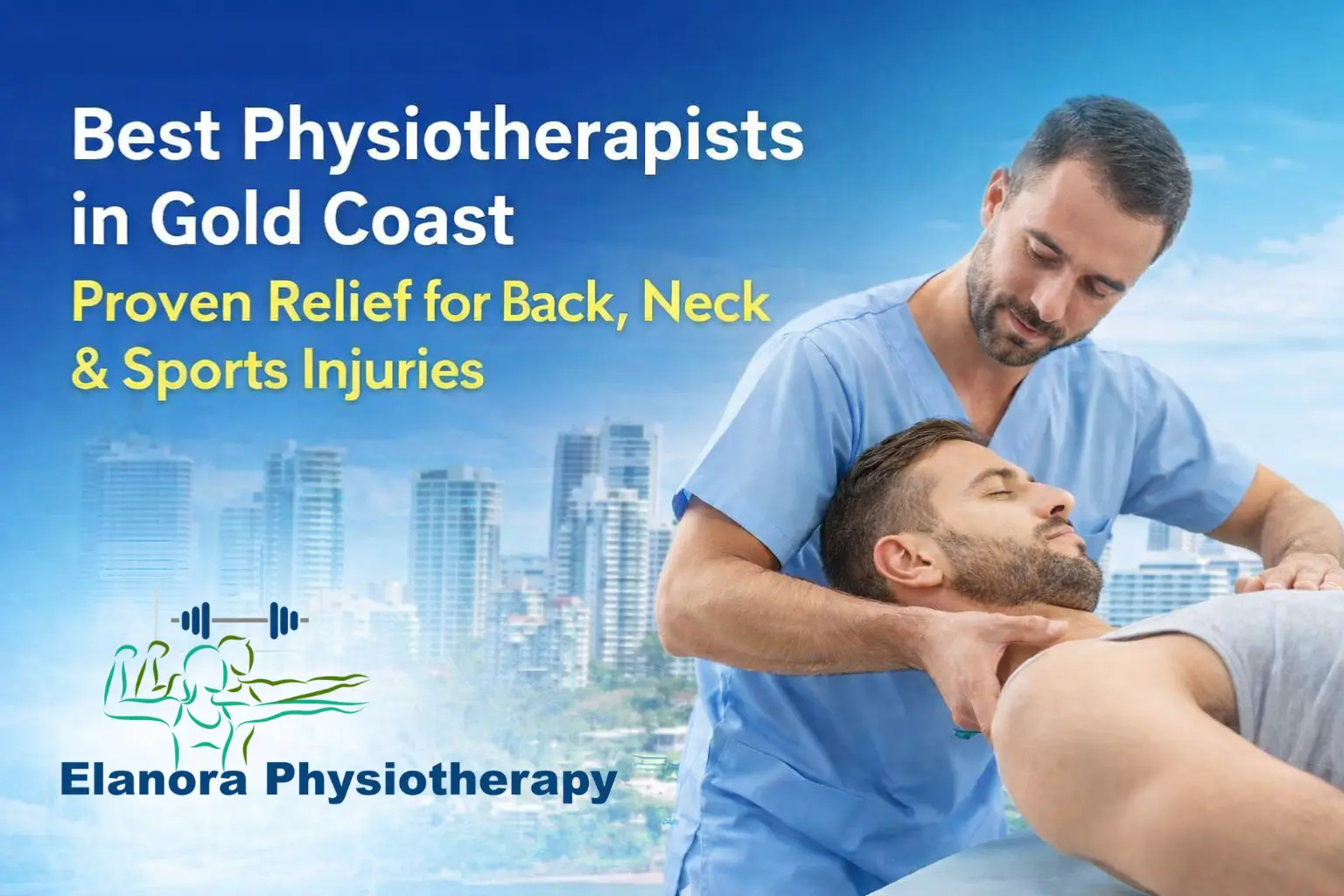
Musculoskeletal physiotherapy Gold Coast may help identify reduced mobility, weakness, tendon irritation or load-related factors that contribute to symptoms. Rehabilitation can then focus on comfortable movement, progressive strengthening and returning to normal activity.
For some people, managing physical load throughout the day is also an important part of recovery.
Hip, Knee and Ankle Conditions
The hips, knees and ankles absorb considerable load during walking, running, sport and physically demanding work. As a result, pain or injury in these areas can quickly affect mobility and independence.
Musculoskeletal physiotherapy Gold Coast can include assessment of joint movement, lower-limb strength, balance, walking or running mechanics and activities that reproduce symptoms.
Relevant physiotherapy services Gold Coast may support people with sprains, joint pain, muscle weakness, overuse problems or reduced function after an injury. For active people, rehabilitation may also include a gradual return to running, gym training or sport.
Muscle Strains and Ligament Sprains
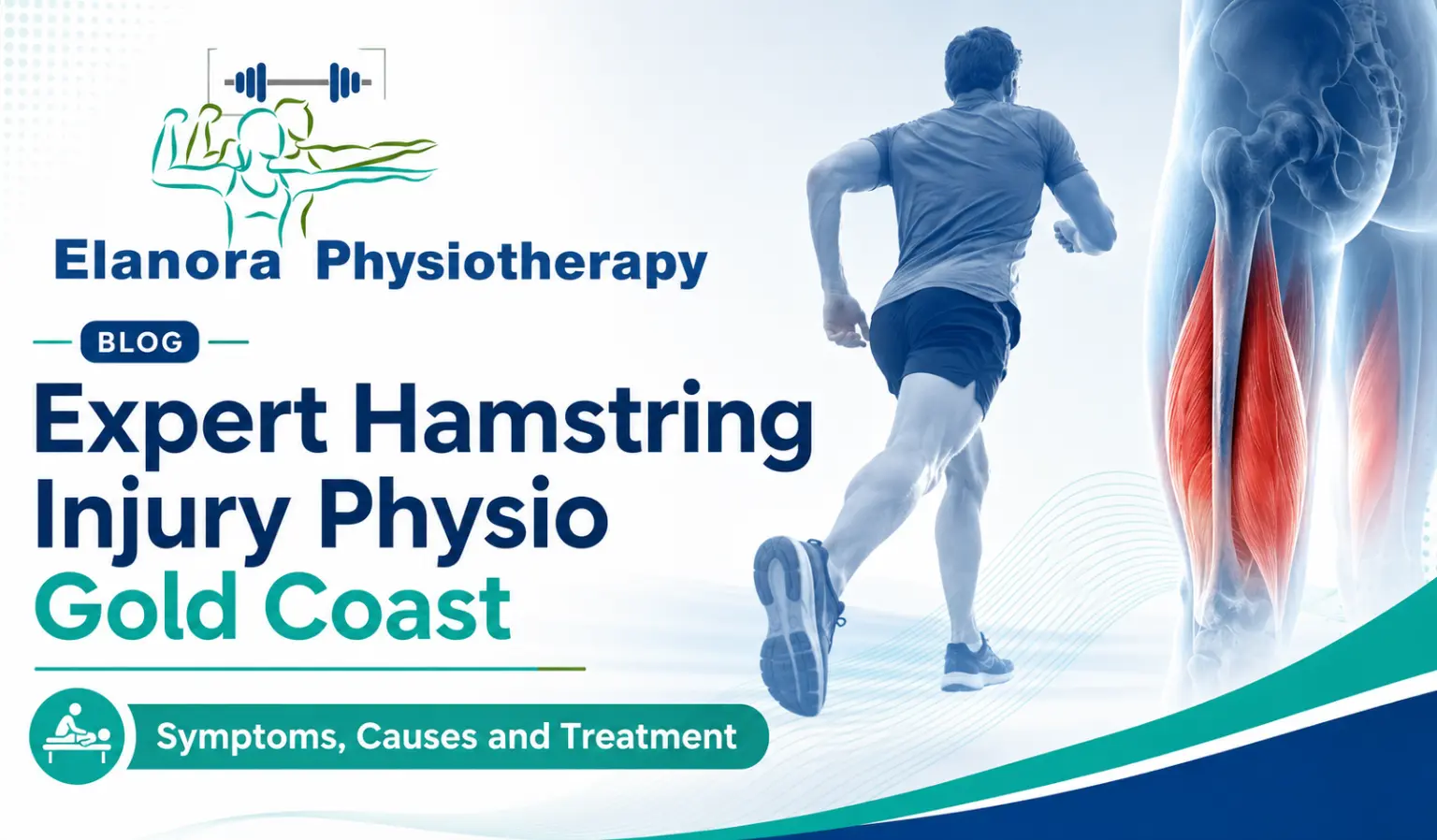
Muscle strains and ligament sprains are common in sport, exercise and physical work. Hamstrings, calves and quadriceps can be affected, while ankle and knee ligaments are frequent injury sites.
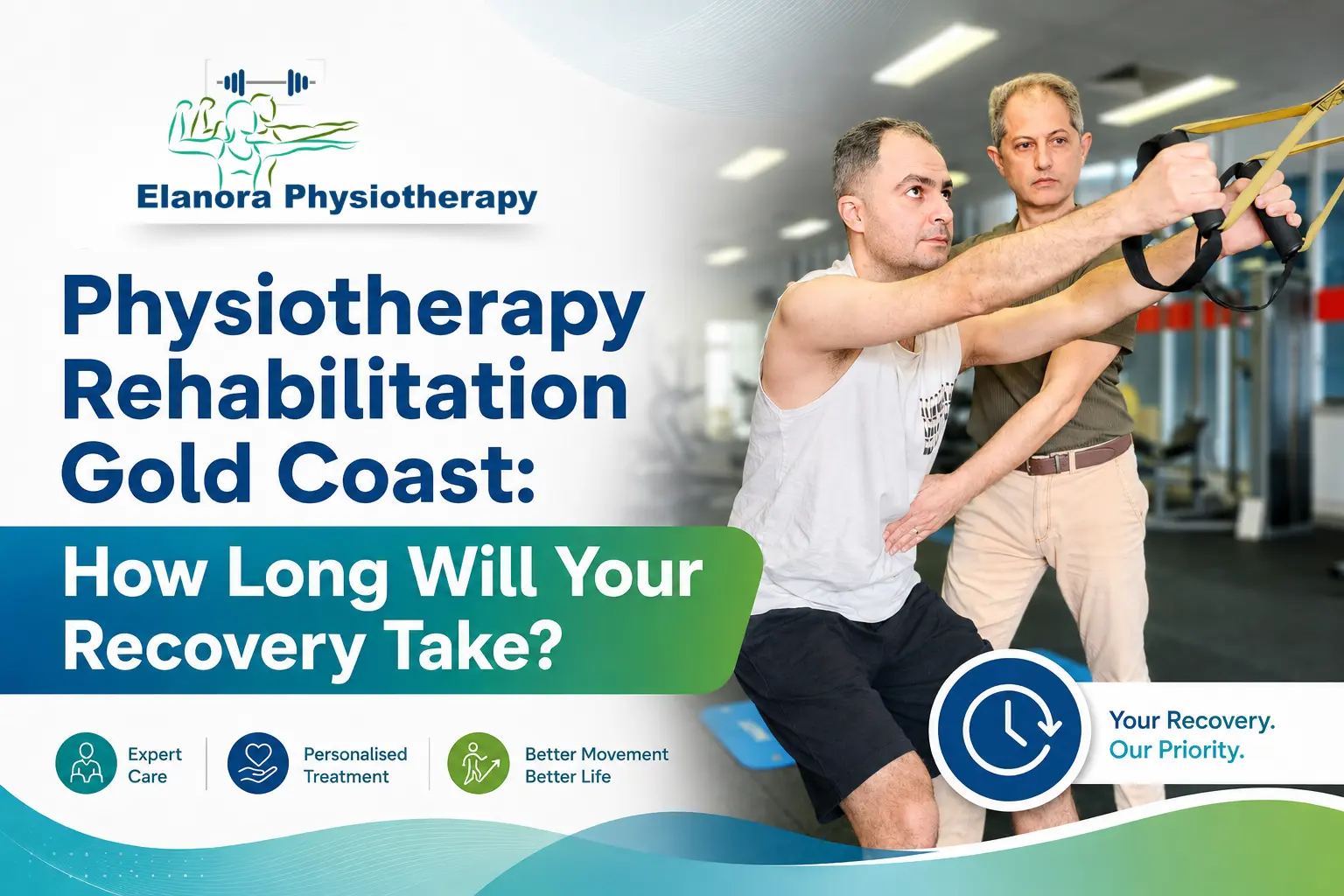
Musculoskeletal physiotherapy Gold Coast can help guide rehabilitation according to the injured tissue, symptoms and functional goals. Early management may focus on protecting the area while maintaining suitable movement. Later stages may include strength, balance, power and activity-specific exercises.
Importantly, reduced pain does not always mean the injured area is ready for full sporting or work demands. A gradual return to load can help rebuild capacity.
Tendon Pain and Overuse Injuries
Tendon problems may develop when activity levels or physical load increase faster than the body can adapt. Common examples include Achilles tendon pain, patellar tendon pain, tennis elbow and rotator cuff-related shoulder pain.
Musculoskeletal physiotherapy Gold Coast can help identify aggravating activities and build a progressive rehabilitation plan. Rather than relying only on rest, tendon rehabilitation often focuses on gradually improving the tissue’s ability to tolerate daily, occupational and sporting loads.
Arthritis, Joint Pain and Stiffness
People living with osteoarthritis or age-related joint changes may experience pain, stiffness and reduced confidence with walking, stairs or exercise.
Physiotherapy cannot reverse arthritis, but it may help improve strength, mobility and movement confidence. Musculoskeletal physiotherapy Gold Coast may include strengthening, mobility work, pacing advice and practical strategies for staying active.
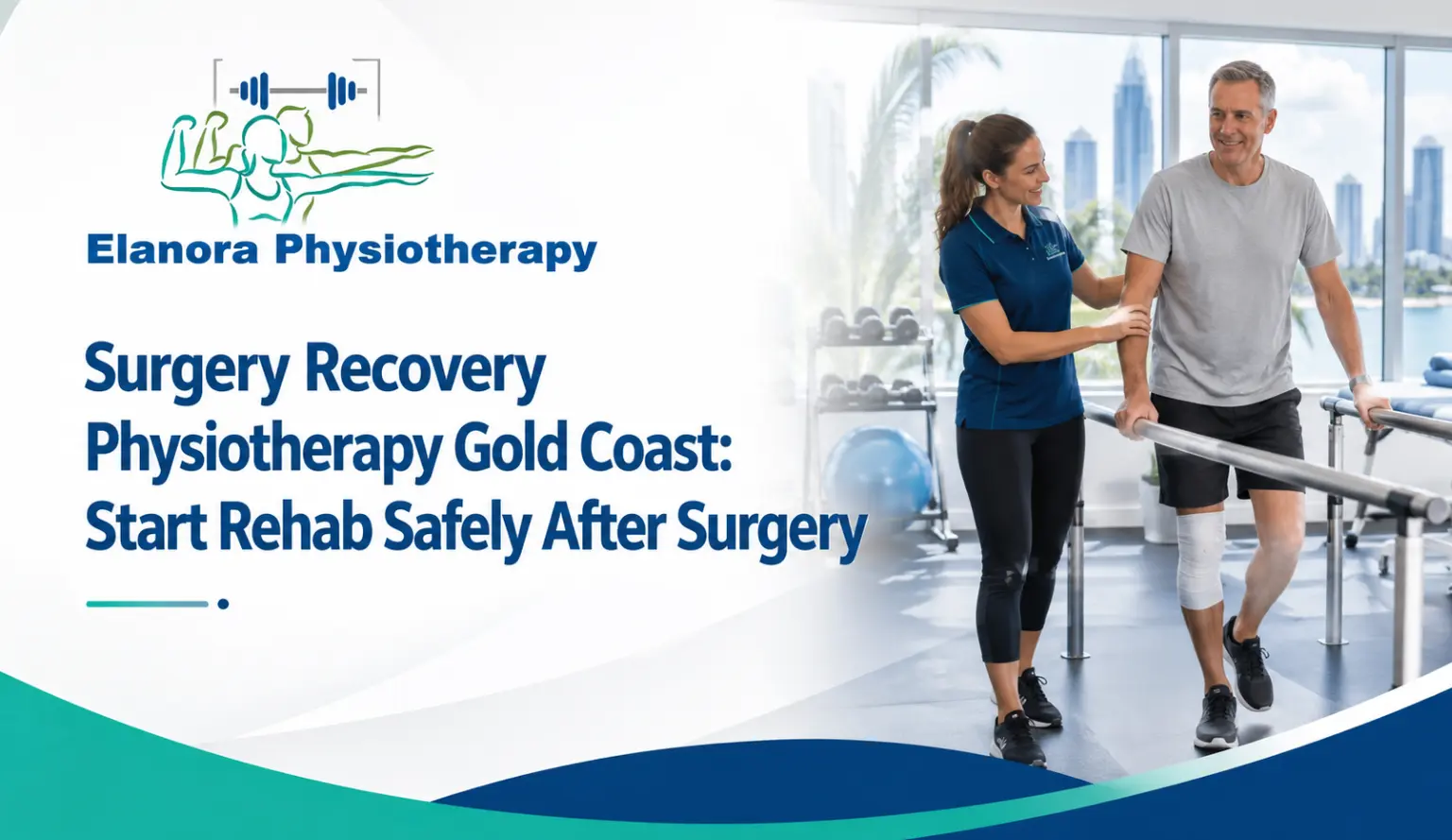
For some people, physiotherapy may also support preparation for orthopaedic surgery or rehabilitation afterwards.
Work-Related Musculoskeletal Pain
Different jobs place different demands on the body. Desk work, repetitive tasks, manual handling and heavy lifting may all contribute to musculoskeletal symptoms.
Musculoskeletal physiotherapy Gold Coast can assess how symptoms relate to work tasks and functional demands. Depending on the condition, rehabilitation may include movement advice, strengthening, graded exposure to work tasks and strategies to improve tolerance for lifting, sitting, standing or repetitive activity.
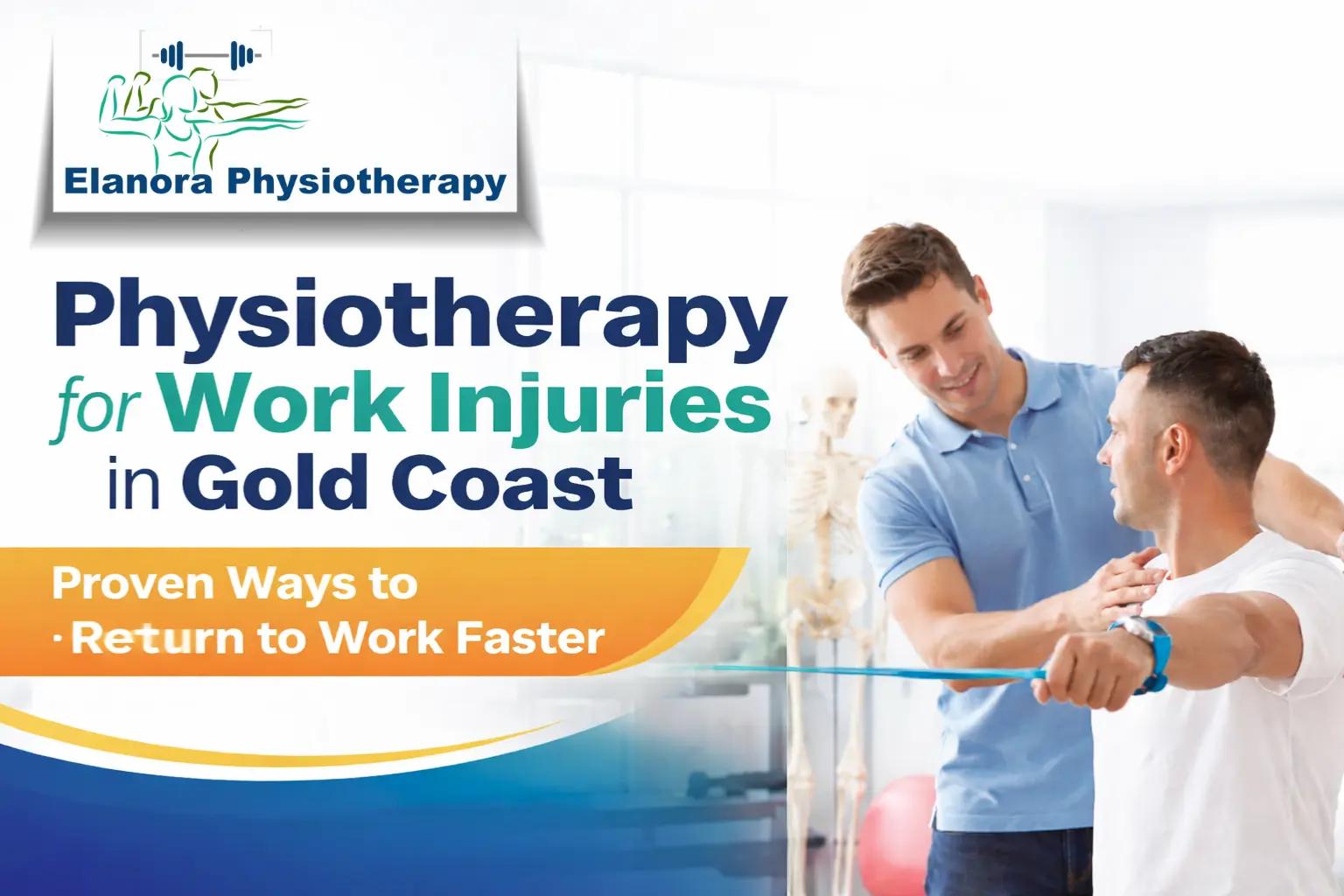
Where appropriate, physiotherapy can also form part of a structured return-to-work program.
Sports Injuries and Return to Sport
Sports injuries may involve muscles, joints, ligaments and tendons. Effective rehabilitation should therefore consider more than pain alone.
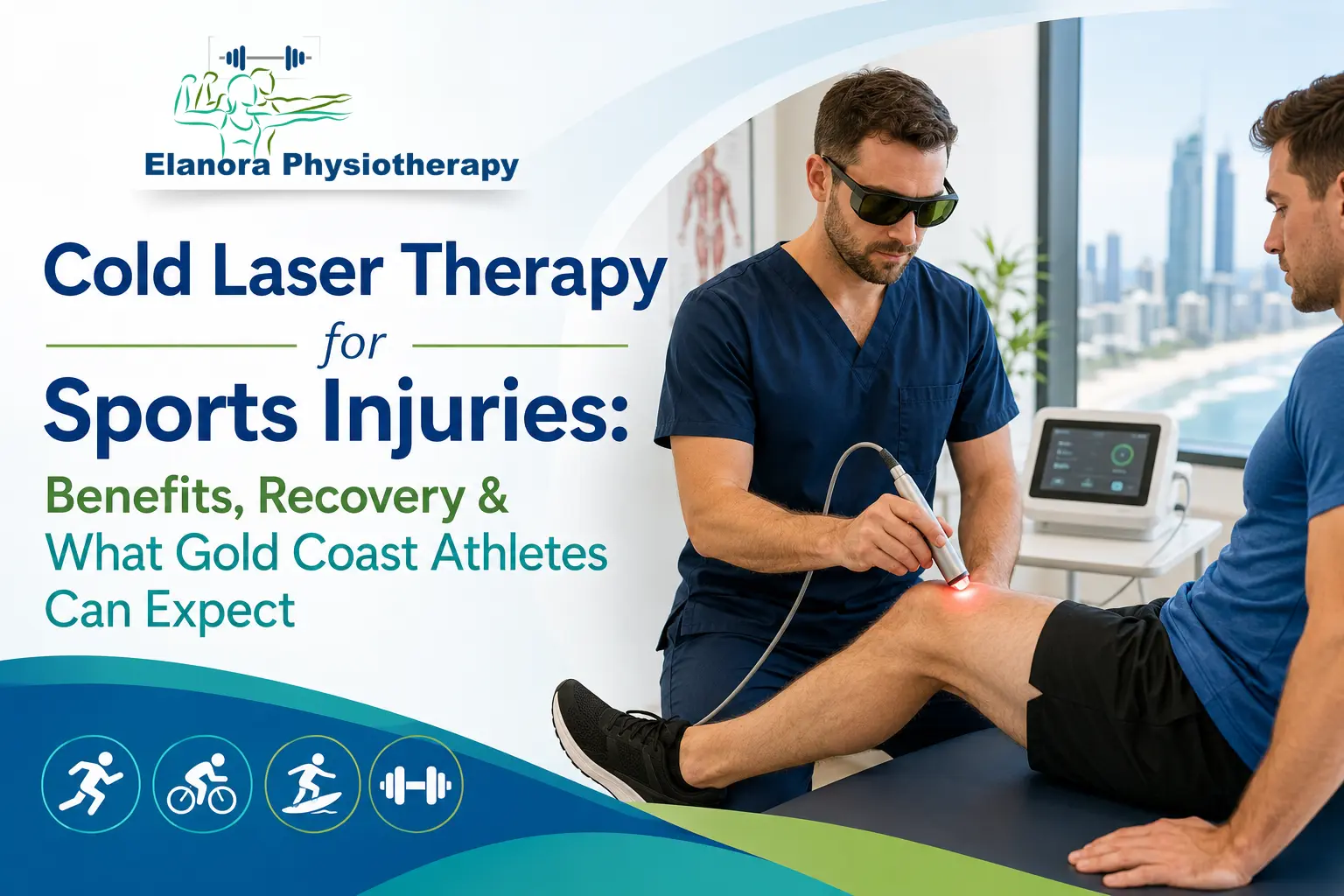
A sports-focused assessment may look at strength, balance, mobility, running ability, jumping capacity and the specific demands of your sport. Musculoskeletal physiotherapy Gold Coast can then support progressive rehabilitation designed to restore the physical qualities required for training and competition.
For example, an athlete recovering from an ankle sprain may need to rebuild balance, calf strength, change-of-direction control and sport-specific capacity before returning to full participation.
What Happens During a Musculoskeletal Physiotherapy Assessment?
A physiotherapy assessment usually begins with a discussion about when symptoms started, what makes them better or worse, previous injuries, medical history and your goals.
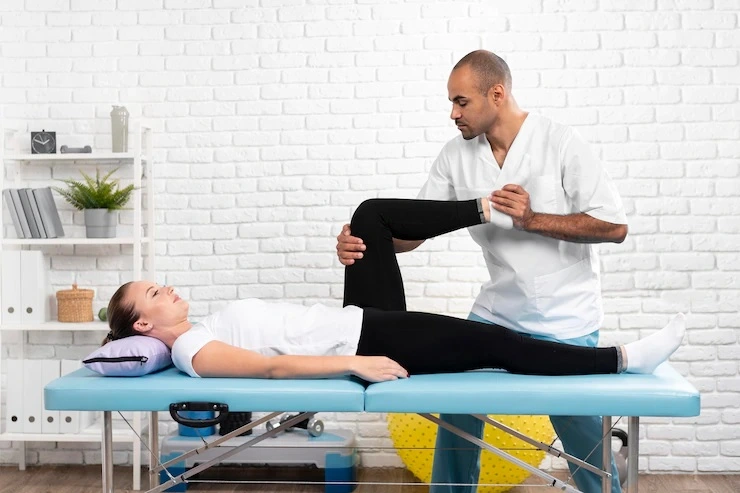
During musculoskeletal physiotherapy Gold Coast, the physiotherapist may assess joint movement, muscle strength, flexibility, balance and functional tasks such as walking, squatting, lifting, reaching or climbing stairs.
The tests selected should match the problem rather than using the same routine for every patient. The assessment can also help identify whether physiotherapy is suitable or whether medical review or further investigation may be needed.
Do You Need an X-Ray or MRI Before Seeing a Physio?
In many cases, people can see a physiotherapist without having imaging first. An assessment can help determine whether an X-ray, MRI or another investigation may be useful.
Musculoskeletal physiotherapy Gold Coast should not be based on scan findings alone. Imaging results need to be considered alongside symptoms, physical findings, medical history and functional limitations.
If a physiotherapist identifies signs that need further investigation, they may recommend medical review.
What Treatments Can a Musculoskeletal Physiotherapist Use?
Treatment varies according to the condition and the person. Musculoskeletal physiotherapy Gold Coast may include:
- Individualised exercise rehabilitation
- Strength and mobility training
- Graded return to activity
- Movement retraining
- Education about pain and recovery
- Advice about work or sporting loads
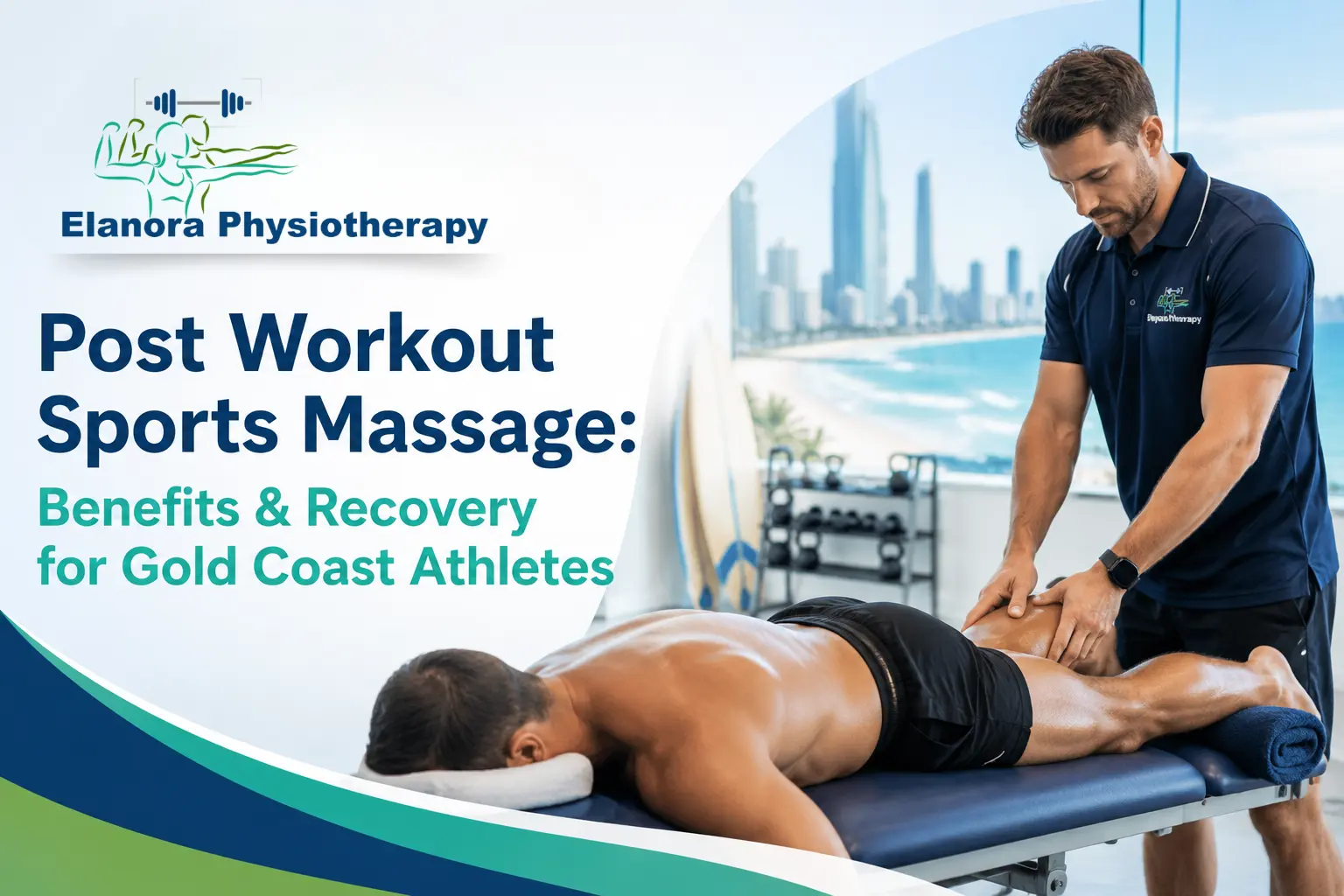
- Hands-on treatment where appropriate
- Balance and functional training
- Home exercise programs
At Elanora Physiotherapy, physiotherapy services Gold Coast are centred on assessment and individualised rehabilitation. Exercise and functional tasks can be progressed as movement, strength and confidence improve.
When Should You See a Musculoskeletal Physiotherapist?
Consider arranging an assessment if pain or stiffness is not settling, symptoms keep returning, or movement is becoming increasingly restricted.
Musculoskeletal physiotherapy Gold Coast may also be suitable when an injury is affecting work, exercise, sleep, sport or normal daily activities.
Other reasons to seek assessment may include reduced joint movement, weakness after injury, difficulty returning to sport, persistent tendon pain, work-related symptoms or reduced function following surgery.
However, severe trauma, sudden significant weakness, loss of bladder or bowel control, chest pain, serious breathing difficulty or rapidly worsening neurological symptoms require urgent medical assessment.
Why Individualised Rehabilitation Matters?
Two people with pain in the same area can have very different contributing factors, physical demands and goals. This is why musculoskeletal physiotherapy Gold Coast should be individualised.
One person with knee pain may want to return to running, while another may need to manage stairs comfortably. Likewise, someone with shoulder pain may want to return to overhead sport, while another may need to perform repetitive work tasks.
A tailored rehabilitation plan can combine education, exercise, load management and functional training to address what matters most to the individual.
Can Musculoskeletal Physiotherapy Help Prevent Recurring Problems?
No treatment can guarantee that pain or injury will never return. However, physiotherapy can help identify factors that may contribute to recurring symptoms, such as reduced strength, limited mobility, rapid changes in training load or incomplete rehabilitation.
Musculoskeletal physiotherapy Gold Coast can use progressive exercise and functional training to improve movement capacity and help people prepare for the demands of work, sport and daily life.
If pain, stiffness or an injury is affecting your movement, work, exercise or everyday activities, Elanora Physiotherapy provides assessment and tailored rehabilitation for a broad range of musculoskeletal concerns across the Gold Coast. Our Elanora clinic supports people with sports injuries, work-related injuries, chronic pain, post-surgical rehabilitation and other movement-related conditions. Contact us to arrange an assessment and explore our physiotherapy services to learn more about how we can support your recovery and help you move with greater confidence.