












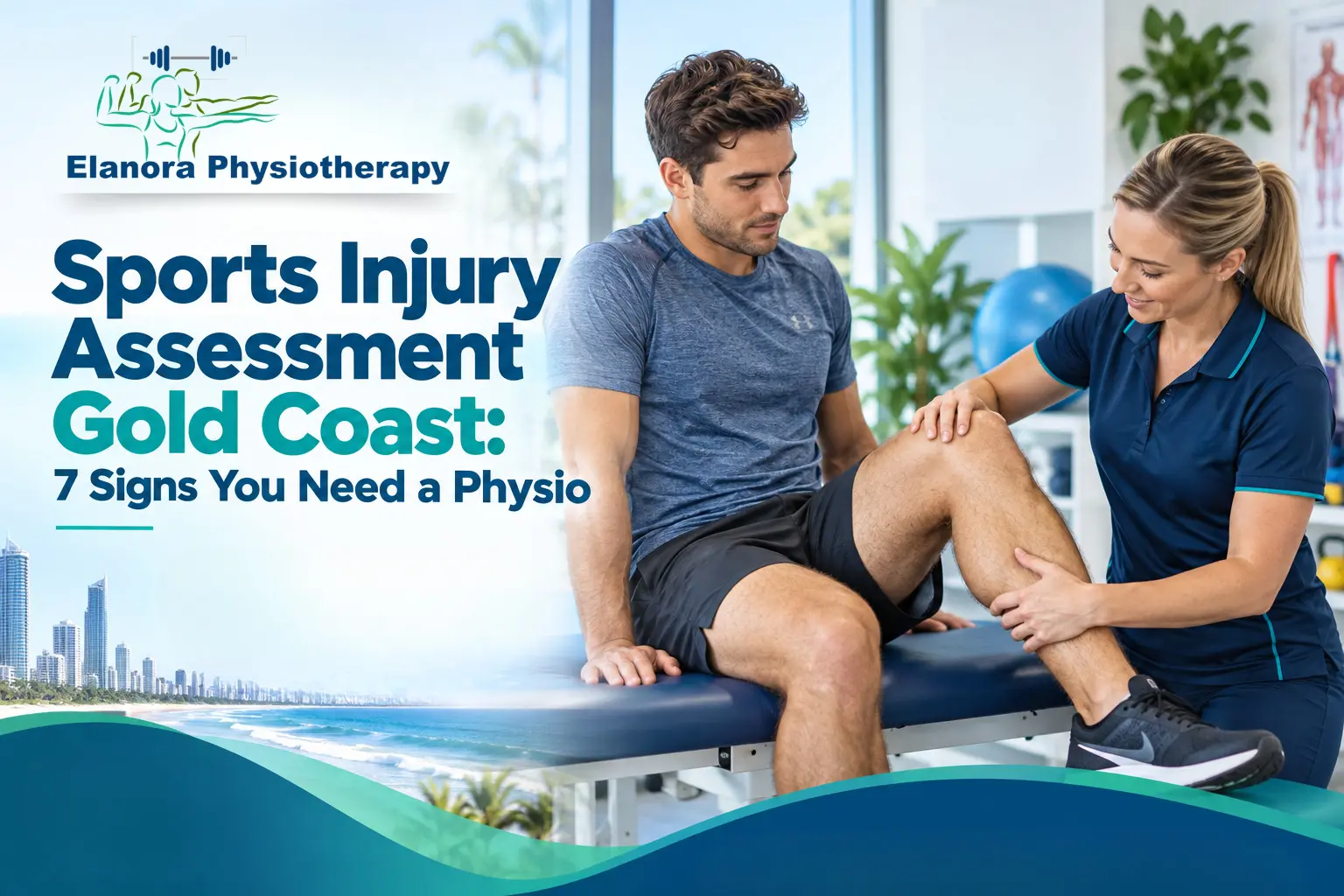
Sports Injury Assessment Gold Coast: 7 Signs You Need a Physio
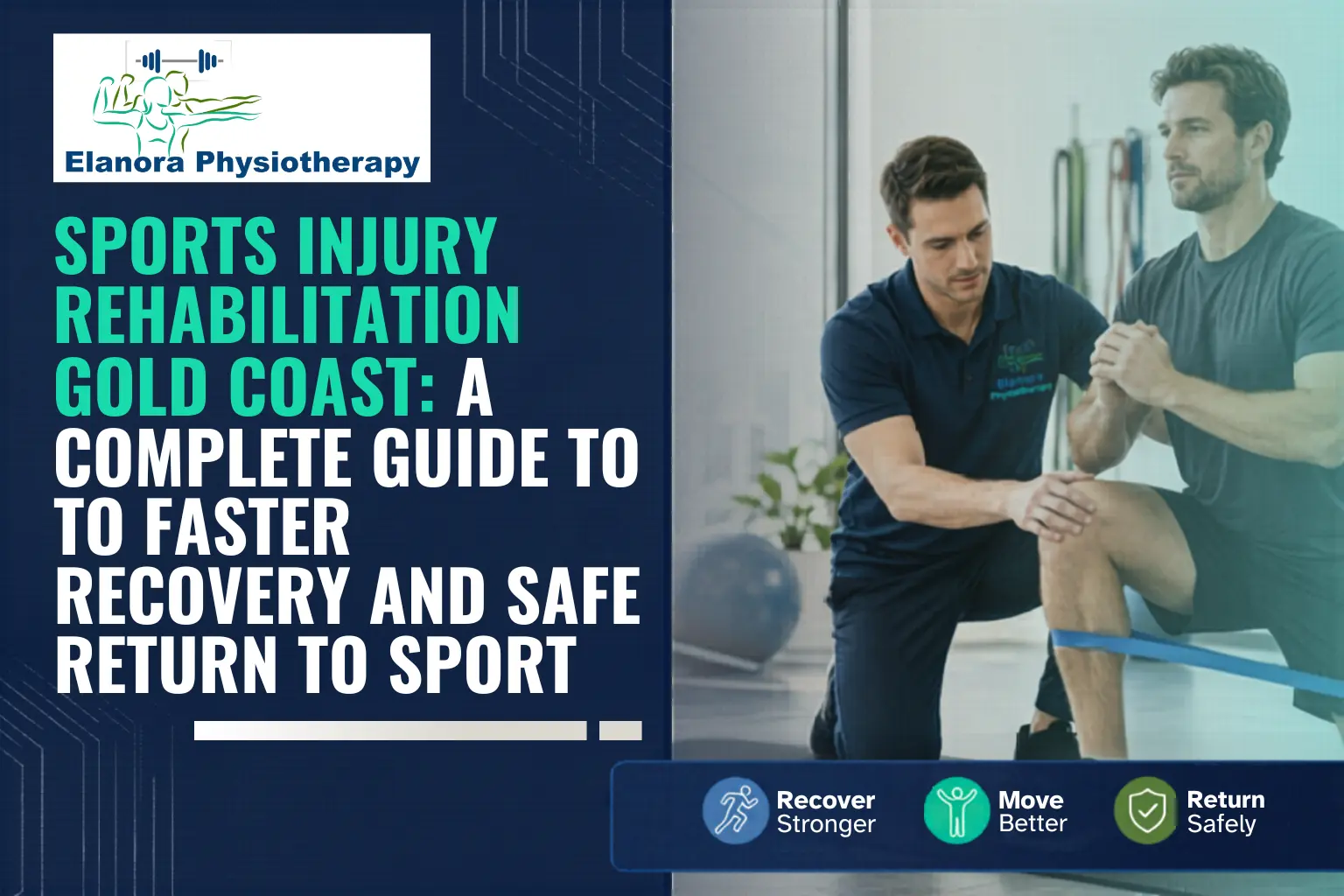
A sports injury can interrupt training, work, weekend activity and everyday movement. If pain, swelling or reduced function is not settling, a sports injury assessment Gold Coast can help identify what may be limiting you and guide the next step. Professional sports injury physiotherapy Gold Coast can support active people with individualised assessment, treatment and rehabilitation designed around their goals and the demands of their sport.
Not every ache after exercise means something serious is wrong. However, if symptoms persist, recur or affect the way you move, a professional assessment can help you understand what is happening and what to do next. Knowing the warning signs can also help you avoid guessing your way through recovery.
Why a Sports Injury Assessment Gold Coast Matters?
A sports injury can affect more than the painful area. Strength, mobility, balance, movement control and confidence can also change after an injury. A sports injury assessment Gold Coast looks at how the injury occurred, what activities aggravate it and what physical factors may be affecting your recovery.
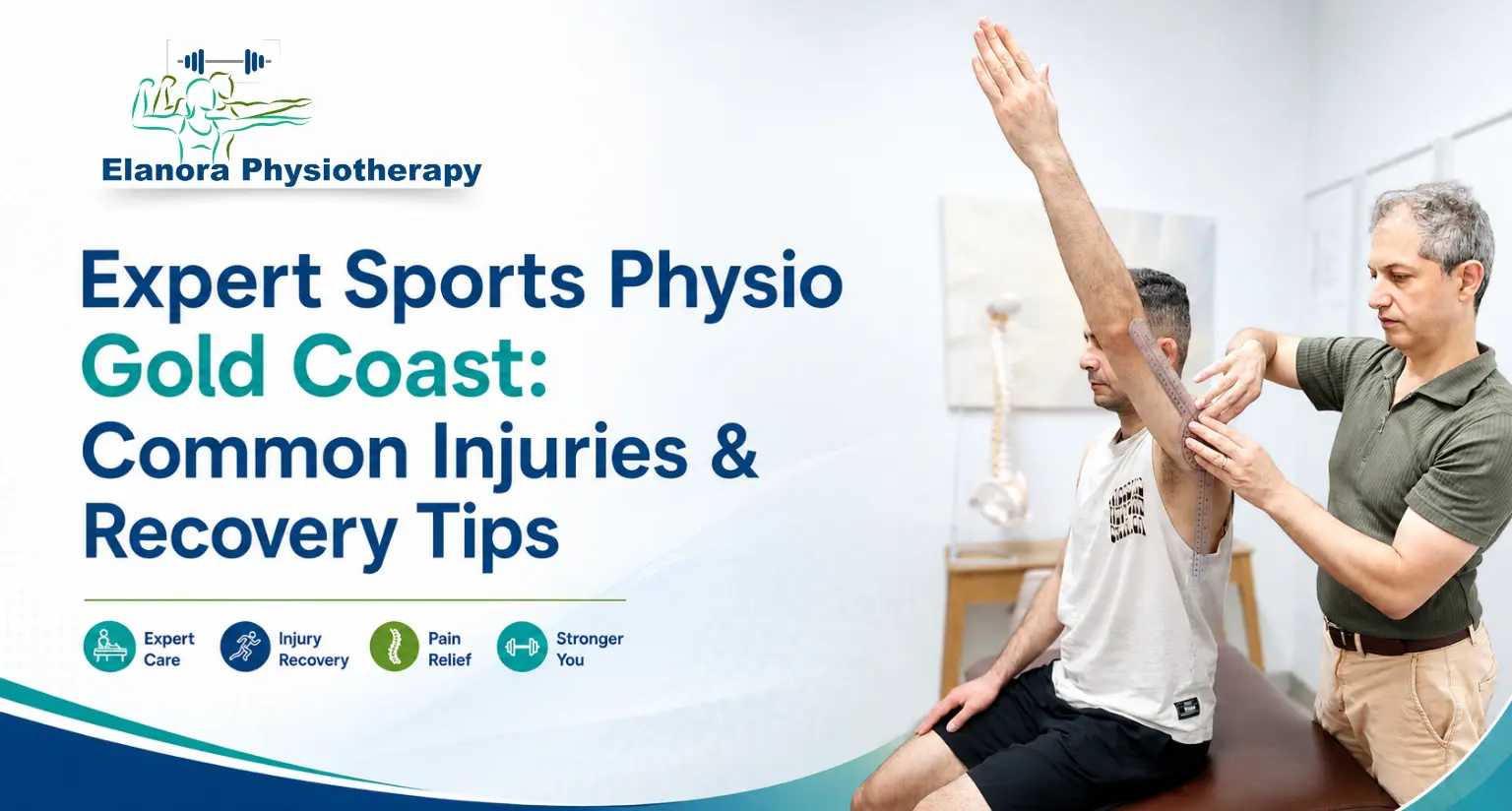
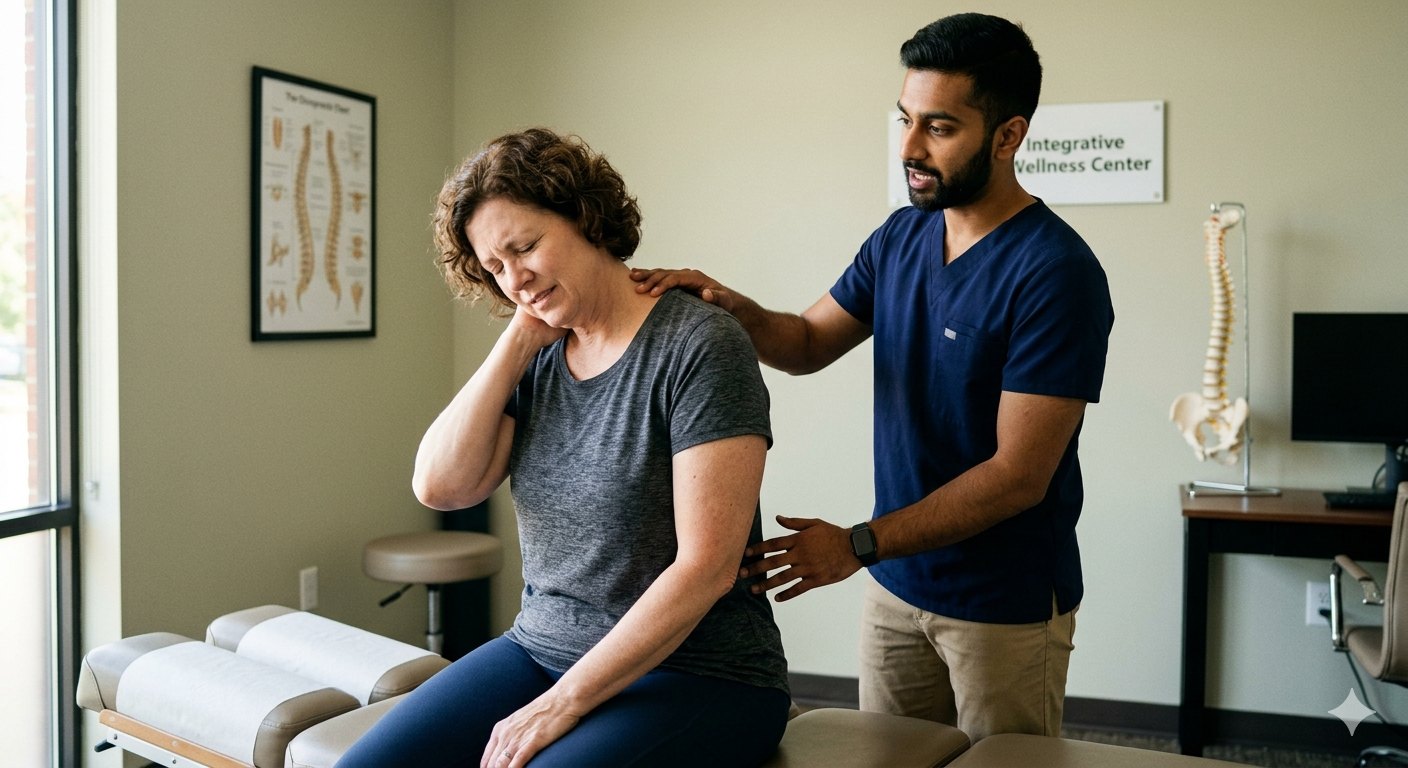
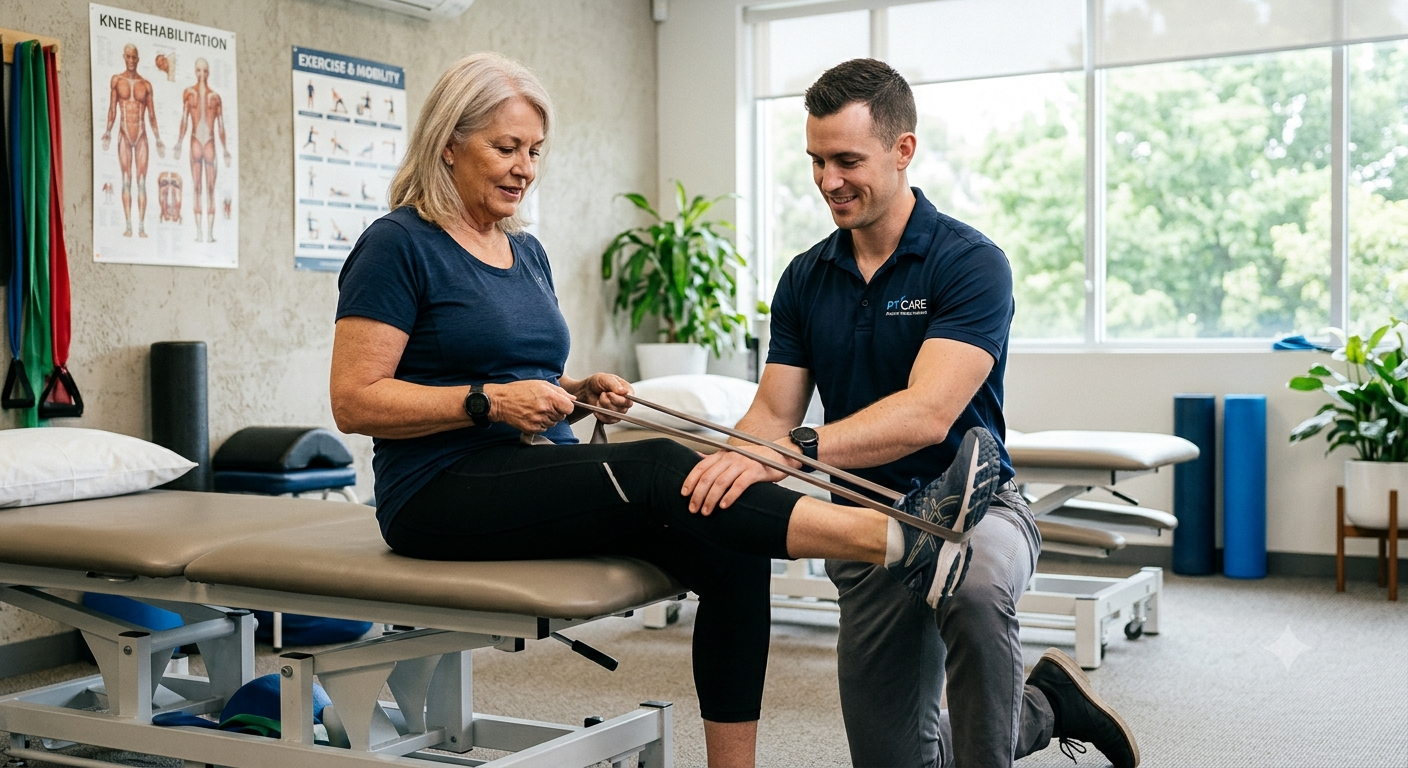
During an assessment, a physiotherapist may review your injury history, current symptoms, training load, range of motion, strength and functional movement. Where relevant, sport-specific tasks can also be assessed. These findings help guide an individual rehabilitation plan rather than relying only on rest or waiting for pain to settle.
7 Signs Your Sports Injury May Need a Physio Assessment
1. Your Pain Is Not Improving
Pain that continues to interfere with running, gym training, field sport or normal daily activity deserves attention. If symptoms stay the same, become more noticeable or return whenever you increase activity, a sports injury assessment Gold Coast may help clarify what is contributing to the problem.
Pain is only one part of the picture. A physiotherapist can also assess strength, mobility, movement control and function to determine what may need to improve before you safely increase your activity.
2. Swelling or Bruising Persists
Swelling and bruising can occur after acute sports injuries such as ankle sprains, muscle strains and direct impacts. While some swelling may be expected in the early stages, ongoing or increasing swelling should not simply be ignored.
A sports injury assessment Gold Coast can help determine how the injury is affecting movement and load tolerance. Your physiotherapist can also advise on appropriate activity modification and rehabilitation. However, major swelling, obvious deformity, severe pain or an inability to use the injured area after significant trauma should be medically assessed promptly.
3. You Have Lost Strength, Mobility or Stability
Sometimes pain settles before normal function returns. You may still notice stiffness, weakness or instability when walking, squatting, running, jumping or changing direction.
Through a sports injury assessment Gold Coast, your physiotherapist can examine movement, strength and function and identify deficits that may be limiting your return to activity. Rehabilitation can then focus on rebuilding the physical qualities required for your sport instead of concentrating on pain alone.
4. You Cannot Train or Play at Your Normal Level
If you are changing how you run, lift, jump, kick, throw or move because of discomfort, your body may be compensating for an unresolved issue. You may also notice that symptoms only appear when training becomes faster, heavier or more demanding.
A sports injury assessment Gold Coast can help establish what you can currently tolerate and what should be progressed gradually. This is particularly useful for athletes and active people who feel comfortable during everyday tasks but still struggle with sport-specific movements.
5. The Same Sports Injury Keeps Coming Back
Recurring calf strains, ankle sprains, hamstring pain, knee pain or tendon symptoms may indicate that recovery has not fully addressed the demands of your activity. Rest may settle symptoms temporarily, but it does not always restore strength, capacity or confidence.
A sports injury assessment Gold Coast can consider previous injury history, training changes, strength, mobility and movement patterns. This information can help your physiotherapist build a more targeted rehabilitation program and address factors that may be contributing to repeated flare-ups.
6. You Feel Unstable or Lack Confidence in the Injured Area
Sometimes the biggest problem is not pain. You may feel hesitant when landing, changing direction, accelerating, lifting or loading the injured area. After an ankle or knee injury, for example, the joint may feel unreliable even when discomfort has reduced.
During a sports injury assessment Gold Coast, functional testing may help identify whether balance, strength, control or movement capacity still needs work. Progressive rehabilitation can then build physical capacity and confidence together.
7. You Are Unsure Whether It Is Safe to Return to Sport
Feeling “better” does not always mean you are ready for full training or competition. Depending on the injury and sport, a safe return may require adequate strength, mobility, balance, endurance and sport-specific capacity.
A sports injury assessment Gold Coast can provide a clearer picture of your current function and guide a staged return to activity. Return-to-sport planning can form part of the broader rehabilitation approach for active patients.
Sports Injury Assessment Gold Coast: What Happens at Your Appointment?
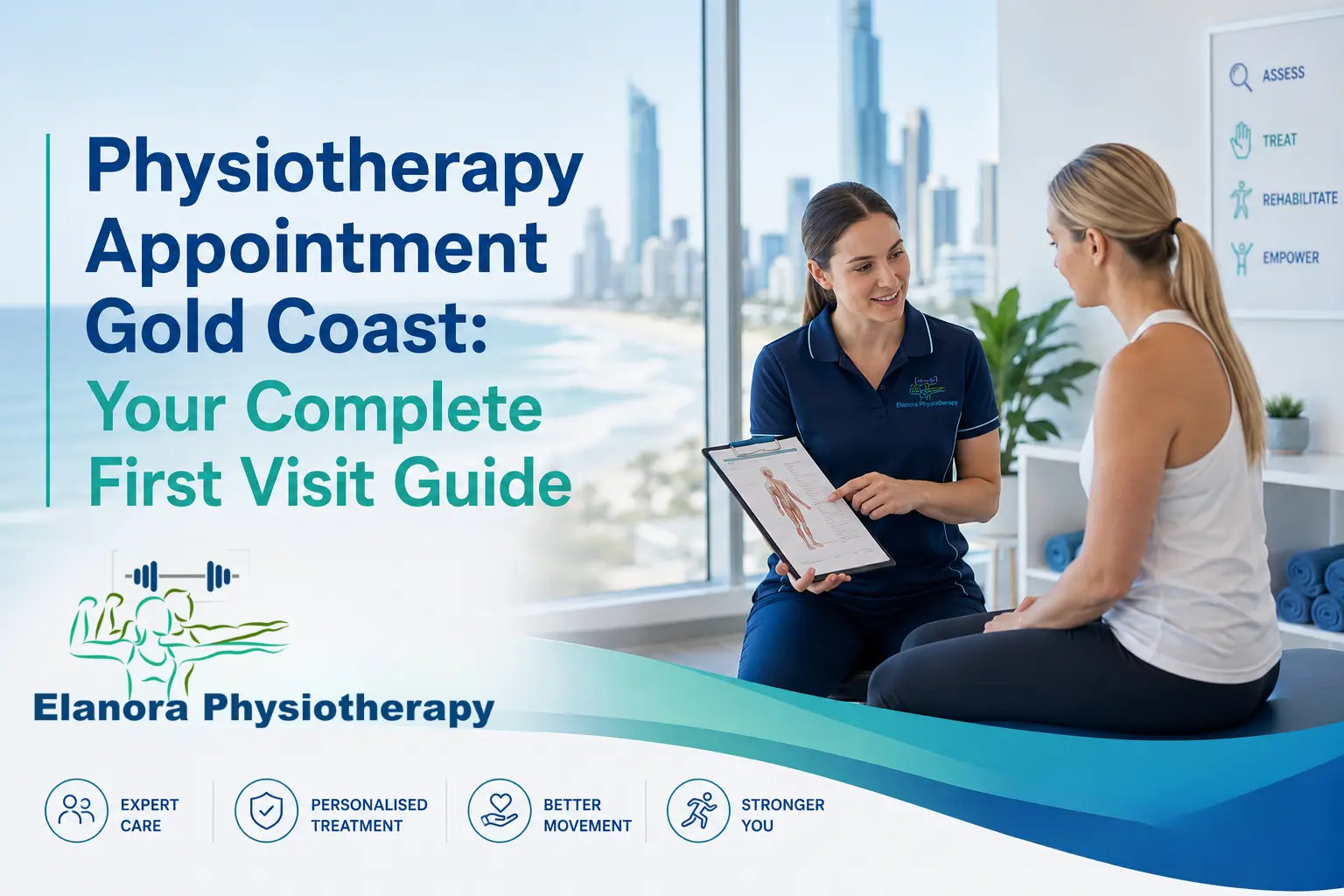
Your appointment generally starts with a discussion about how the injury happened, when symptoms began, what makes them better or worse and what activities you want to return to. The physiotherapist may then assess joint movement, muscle strength, flexibility, balance and functional tasks relevant to your sport.
Where appropriate, a sports injury assessment Gold Coast may include movements such as squatting, hopping, stepping, running-related tasks or other sport-specific actions. The assessment should be tailored to the individual because the demands of a runner, surfer, footballer, netballer or gym-goer can be very different.
Afterwards, your physiotherapist can explain the findings and discuss a personalised plan. Depending on your needs, management may include hands-on treatment, targeted exercises, progressive strengthening, movement retraining, load management and a gradual return to sport.
Sports Injury Assessment Gold Coast: Do You Need an X-Ray or MRI?
Not every sports injury requires imaging. For many musculoskeletal problems, a physiotherapist can begin with a clinical assessment and determine whether medical review or imaging may be appropriate based on your history, symptoms and physical findings.
Therefore, a sports injury assessment Gold Coast can be a useful first step for many common sporting injuries. However, significant trauma, suspected fracture, obvious deformity, major loss of function or other concerning symptoms may require prompt medical assessment.
Can a Physio Help If Your Sports Injury Keeps Returning?
Yes, physiotherapy can be useful when an injury repeatedly settles and then returns with training or sport. The goal is to assess more than the painful structure and consider factors such as strength, mobility, movement quality, workload and the demands of your activity.
A sports injury assessment Gold Coast gives your physiotherapist a starting point for deciding what should be addressed and how progress can be measured. This may be especially valuable if repeated rest has not helped you return to your previous level of activity.
Why Choose Elanora Physiotherapy for Sports Injury Care?
Elanora Physiotherapy is based at The Pines Shopping Centre in Elanora and supports active people from Elanora, Palm Beach, Currumbin and surrounding Gold Coast suburbs. The clinic provides individualised physiotherapy assessment, hands-on care and structured exercise rehabilitation, with treatment tailored to the person, injury and recovery goals.
Our approach to sports injury assessment Gold Coast focuses on understanding your symptoms, physical function and activity demands. From the initial assessment through rehabilitation and return-to-sport planning, the aim is to help you move more confidently and build the capacity needed for the activities that matter to you.
Book a Sports Injury Assessment in Elanora
If pain, weakness, swelling, instability or recurring symptoms are stopping you from doing what you enjoy, a sports injury assessment Gold Coast can help you better understand the problem and plan your next step. Elanora Physiotherapy supports runners, athletes, gym-goers and active Gold Coast locals with personalised assessment and rehabilitation.
Ready to get your injury properly assessed? Contact us to arrange an appointment and discuss the next step in your recovery. For personalised sports injury physiotherapy Gold Coast, our team can guide you from assessment through rehabilitation and a confident return to the activities you enjoy.