





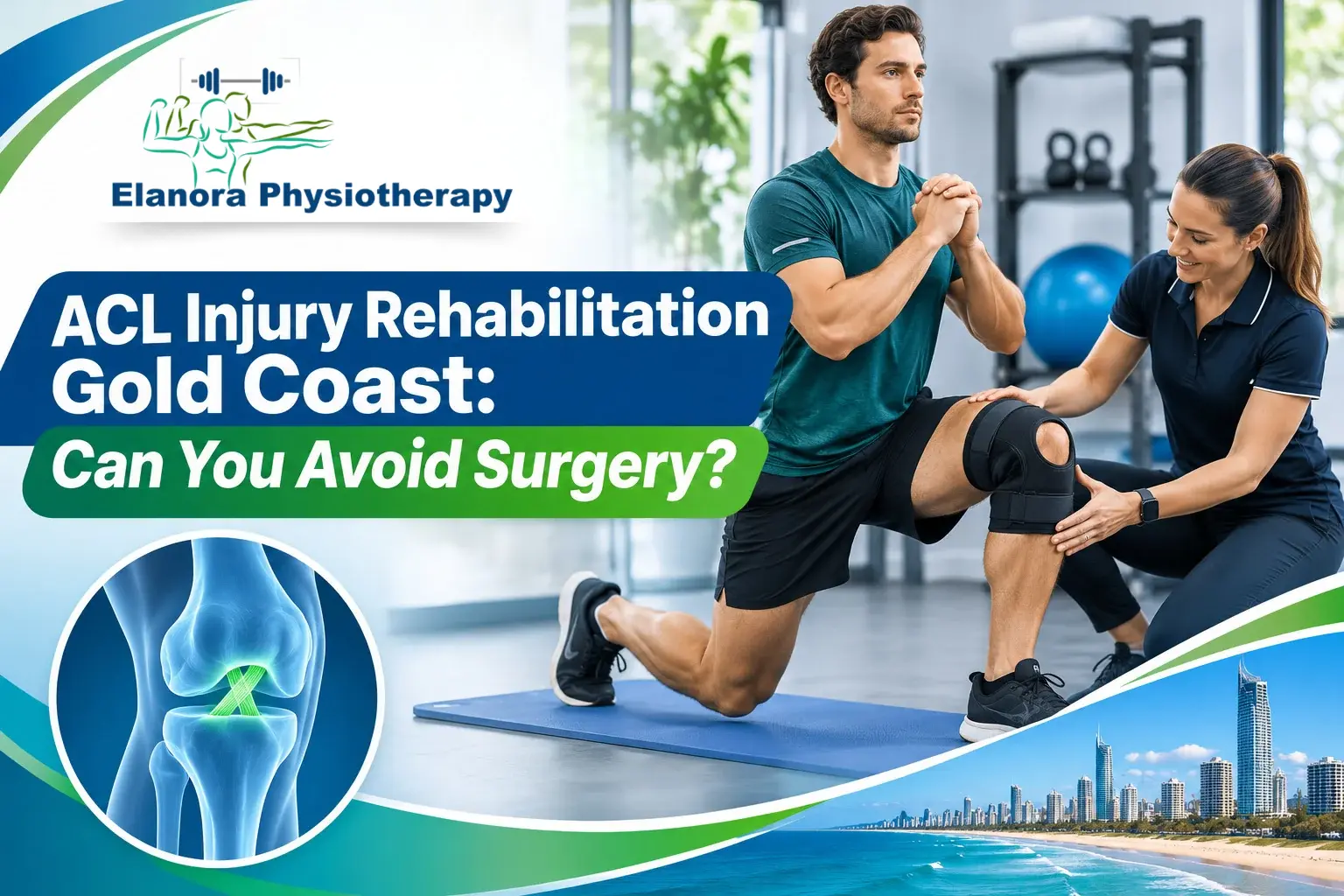
ACL Injury Rehabilitation Gold Coast: Can You Avoid Surgery?
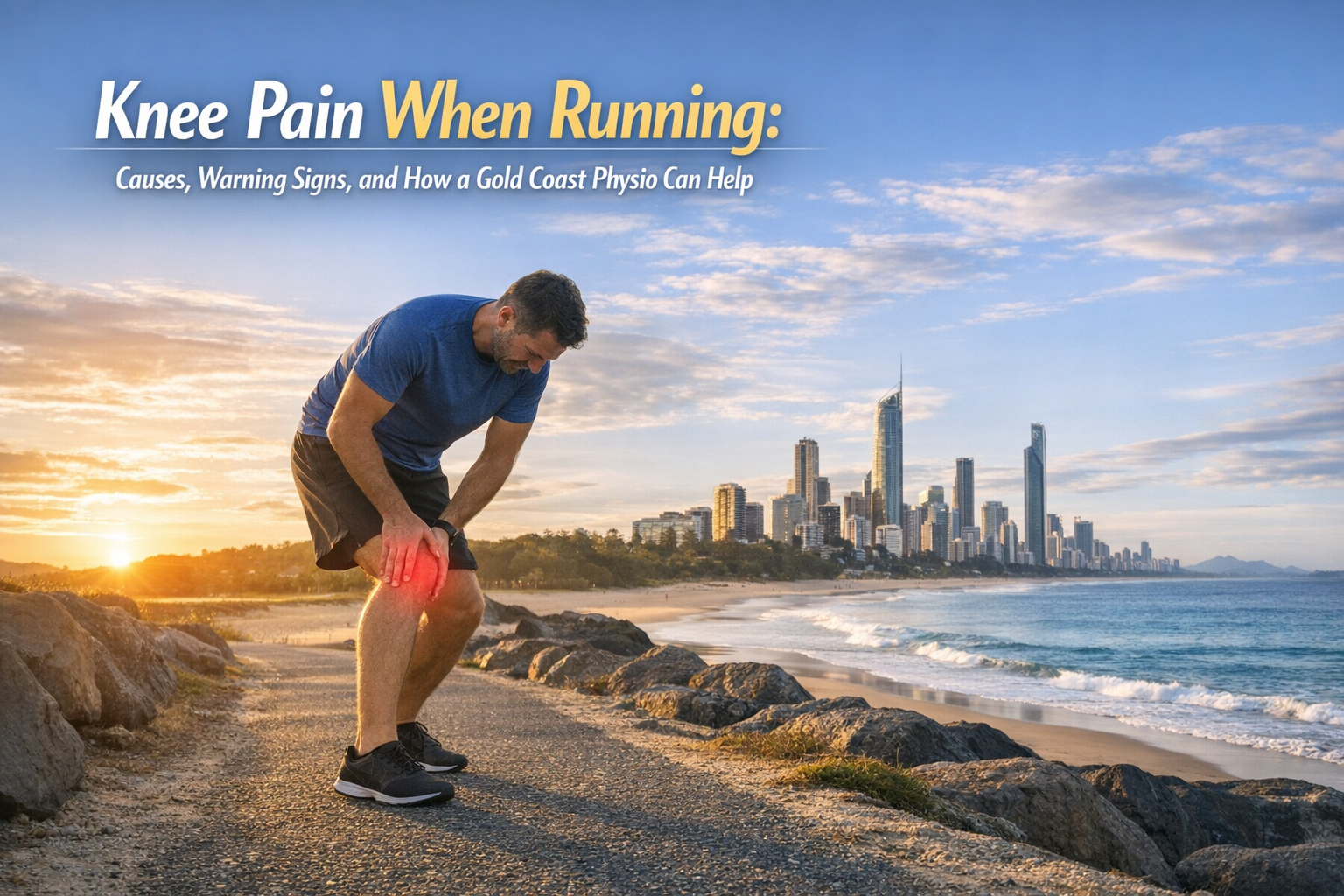
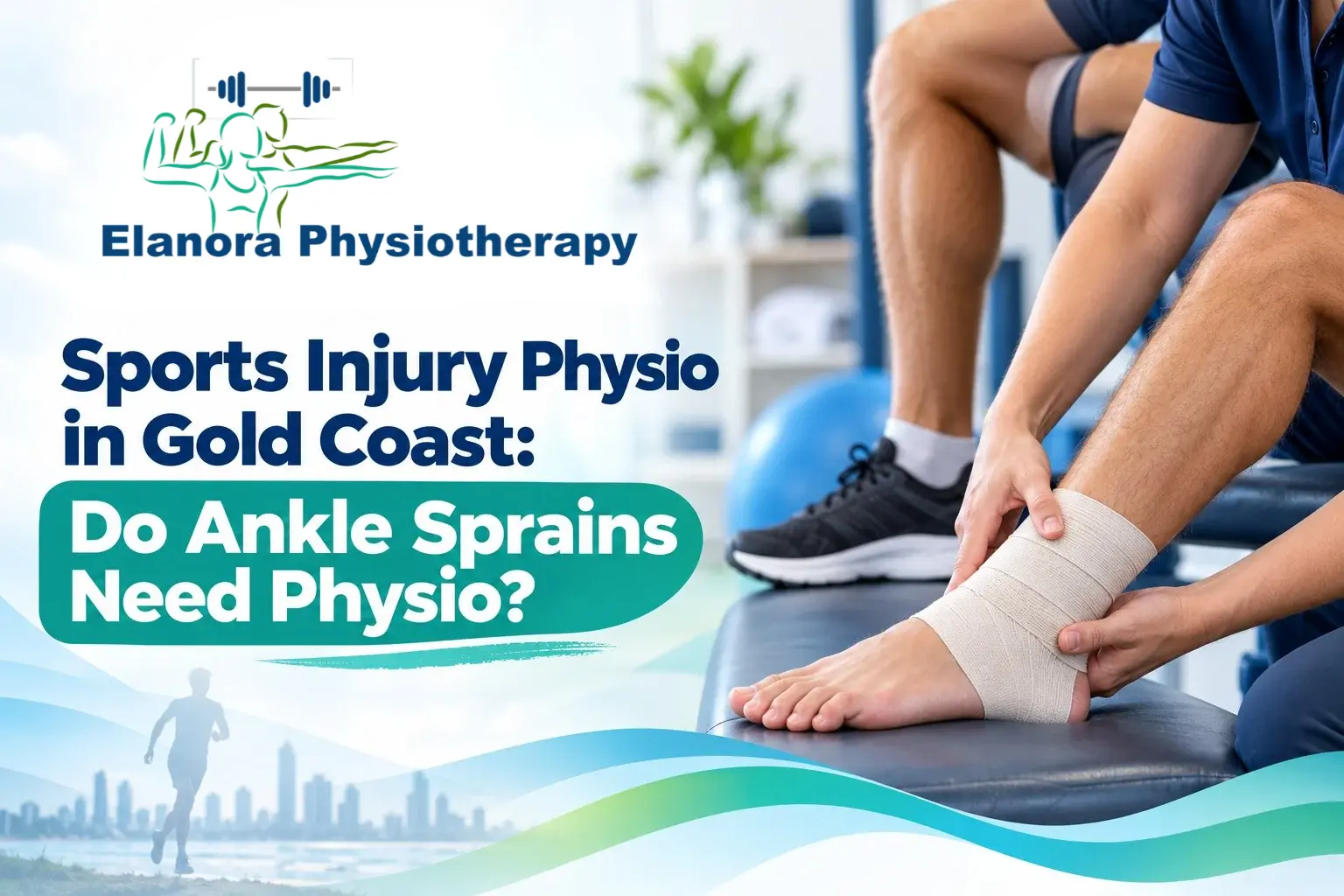
A sudden twist on the netball court, an awkward landing during football or a sharp change of direction while training can leave your knee swollen and unstable. If you've been told you may have torn your anterior cruciate ligament (ACL), one question often comes first: will you need an operation? For people researching ACL injury rehabilitation Gold Coast, the answer depends on the injury, your knee's stability and what you want to get back to doing. Access to sports injury physiotherapy Gold Coast can help you understand the rehabilitation process while you and your medical team consider the options.
Quick answer: Not every ACL tear requires reconstruction. Some people can regain useful knee function through structured rehabilitation without surgery. Others may benefit from an operation, particularly when their knee repeatedly gives way, other structures are injured, or their sporting goals place high demands on knee stability. An accurate diagnosis and a shared treatment decision matter more than choosing a pathway based on one symptom or a fixed recovery date.
What Is an ACL Injury and Why Does It Affect Knee Stability?
The ACL is a strong ligament inside your knee that helps control forward movement and rotation of the shin bone relative to the thigh bone. It can be injured during sudden stopping, pivoting, landing or contact. Football, netball, basketball and other change-of-direction sports are familiar settings, although ACL tears can also happen outside organised sport. Understanding this mechanism can help people researching ACL injury rehabilitation Gold Coast recognise why knee stability matters as much as pain relief.
Symptoms may include a popping sensation, rapid swelling, pain, difficulty bearing weight or a feeling that the knee will buckle. However, not everyone experiences every symptom. As a result, ACL injury rehabilitation Gold Coast should begin with a proper assessment rather than a self-diagnosis based on a single sign.
How Is an ACL Tear Diagnosed?
A clinician will ask how the injury happened, examine knee movement and stability, and consider whether the meniscus, cartilage or other ligaments may also be injured. Imaging, particularly MRI, may be needed to clarify the diagnosis and associated damage. The Australian Physiotherapy Association advises that significant ACL and related knee injuries warrant timely orthopaedic review. Early ACL injury rehabilitation Gold Coast planning can include identifying the right medical referral rather than rushing into exercise.
If your knee is locked, severely swollen, visibly deformed, numb, or you cannot bear weight after an injury, seek prompt medical assessment. Do not attempt to test the ligament by returning to sport.
Can an ACL Tear Heal Without Surgery?
Yes, some ACL injuries can be managed successfully without reconstruction, but that is not the same as guaranteeing the torn ligament has healed. People can sometimes regain good function even when the ACL remains damaged. Research has also shown signs of healing in some tears, but appearance on imaging does not by itself establish that a ligament provides normal stability.
For suitable patients, ACL injury rehabilitation Gold Coast may involve a supervised exercise program, careful management of activity and regular reassessment. The aim is to improve the knee's practical stability, strength and confidence while monitoring episodes of giving way.
Who May Be Suitable for Non-Surgical ACL Rehabilitation?
A rehabilitation-first approach may be considered when the knee remains functionally stable, associated injuries do not require surgical treatment, and the person's goals can be met safely without reconstruction. For example, someone aiming to return to walking, cycling, gym exercise, or straight-line activity may have different demands from an athlete returning to competitive pivoting sport.
However, age alone, a normal-looking walk or reduced pain does not determine suitability. Decisions about ACL injury rehabilitation Gold Coast should consider the type of tear, other injuries, instability, work requirements, sport and personal preferences. An orthopaedic surgeon, physiotherapist and patient should discuss the benefits and risks of the available paths. For this reason, ACL injury rehabilitation Gold Coast is best viewed as part of a shared treatment plan, not a guarantee that surgery can be avoided.
When Might ACL Reconstruction Be Recommended?
Surgery may be considered if the knee repeatedly gives way despite appropriate rehabilitation, if there are associated injuries requiring surgery, or if high-demand pivoting activities cannot be resumed safely with an unstable knee. An orthopaedic specialist can explain whether early reconstruction or a period of rehabilitation with surgery considered later makes sense.
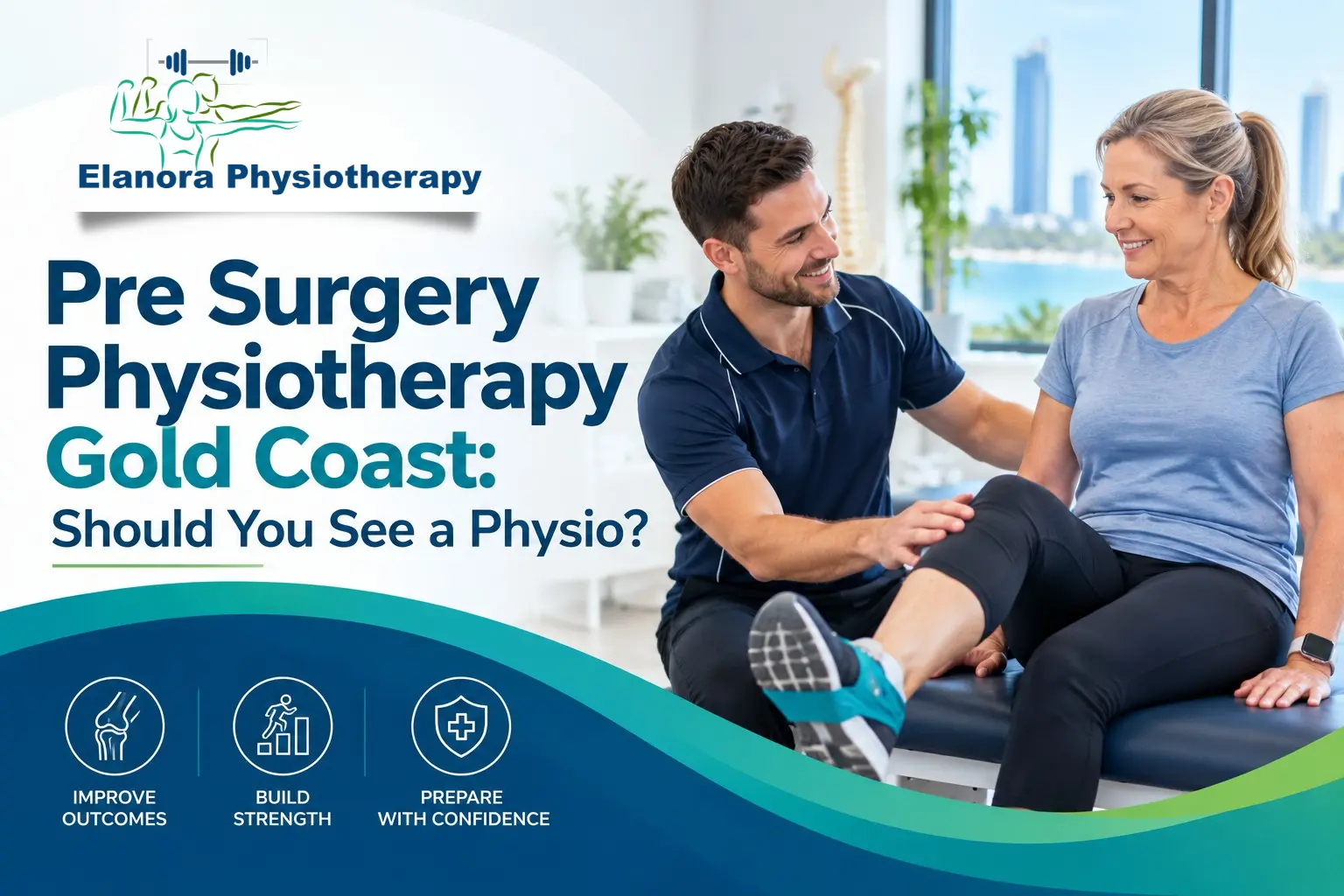
Importantly, ACL injury rehabilitation Gold Coast is relevant whether surgery is planned or not. Physiotherapy before an operation—often called prehabilitation—may help restore movement, strengthen muscles and prepare you for the recovery process. Surgery also does not replace the need for consistent rehabilitation afterwards. In either pathway, ACL injury rehabilitation Gold Coast should be adapted to the knee's response and the treating team's advice.
How Long Does ACL Injury Rehabilitation Take?
There is no universal ACL recovery timeline. Some everyday activities may improve within weeks, whereas returning to running, jumping or competitive sport usually takes substantially longer. Recovery depends on the injury's severity, other damaged structures, treatment choice, knee symptoms, strength and the activities you hope to resume.
For many people, ACL injury rehabilitation Gold Coast is a journey measured in milestones rather than calendar dates. Non-surgical rehabilitation may continue for several months, and patients should be reassessed if instability, swelling or functional limitations persist. After ACL reconstruction, a return to demanding sport commonly requires around nine to twelve months or longer, depending on objective progress and medical clearance. A realistic ACL injury rehabilitation Gold Coast timeline is therefore flexible rather than a promise of a specific return date.
Stage 1: Settle Symptoms and Restore Movement
Early care focuses on protecting the knee appropriately, managing pain and swelling, regaining comfortable movement and restoring muscle activation. Your clinician may advise temporary walking aids or activity restrictions when indicated. The plan must account for suspected fractures, meniscal injuries and any directions from your surgeon.
At this stage, ACL injury rehabilitation Gold Coast should prioritise a clear diagnosis and achievable everyday goals. Pushing through a swollen, unstable knee in the hope of getting fit quickly is not a reliable shortcut.
Stage 2: Rebuild Strength and Control
As symptoms settle, progressive strengthening generally targets the quadriceps, hamstrings, gluteal muscles and calf muscles. Balance, single-leg control and gradual loading also become important. Exercises might include suitably modified squats, step-ups and resistance work, but the right starting point differs between patients.
Effective ACL injury rehabilitation Gold Coast uses exercise progressions matched to strength, movement quality and knee response. Hands-on treatment may help selected symptoms, yet it cannot replace the structured strengthening needed for long-term function.
Stage 3: Prepare for Running, Jumping and Sport
Later rehabilitation may introduce controlled running, hopping, landing, agility and changes of direction. A physiotherapist can assess strength, knee swelling, movement control and confidence before progressing. After reconstruction, your surgeon's restrictions and the graft's healing requirements must also be respected.
The goal of ACL injury rehabilitation Gold Coast is not simply to finish a certain number of sessions. It is to develop the physical capacity and decision-making confidence required for your chosen activities, while recognising that no program can eliminate reinjury risk completely.
When Can You Return to Running, Football or Netball?
Returning to gentle jogging is not the same as returning to a full-contact match. Jogging generally comes before high-speed cutting, unplanned direction changes and competitive play. For people recovering from reconstruction, some protocols consider running around three months after surgery, but only when appropriate clinical and strength criteria are met; this is not a target everyone should follow.
Football, netball and basketball place greater rotational and landing demands on the knee. Accordingly, ACL injury rehabilitation Gold Coast should include relevant testing and a gradual return to training before match play. Your treating team may consider muscle strength, hopping or movement tests, knee symptoms, sport-specific performance and psychological readiness. These measures can help guide ACL injury rehabilitation Gold Coast for active patients who hope to return to court or field sports.
What Can a Sports Physiotherapist Do for an ACL Injury?
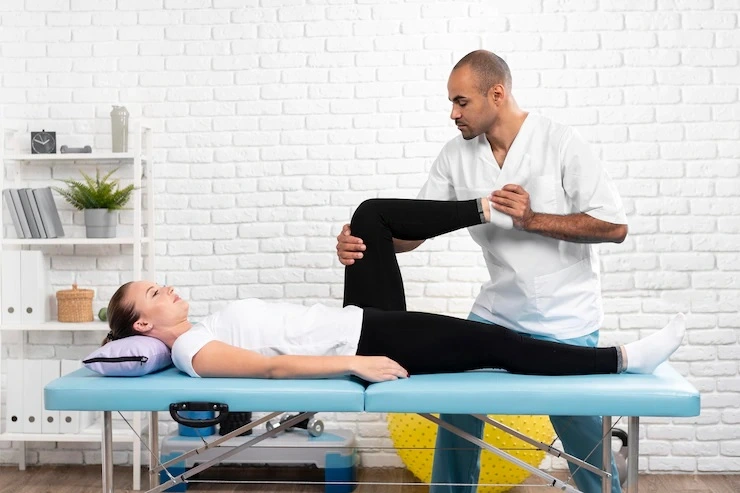
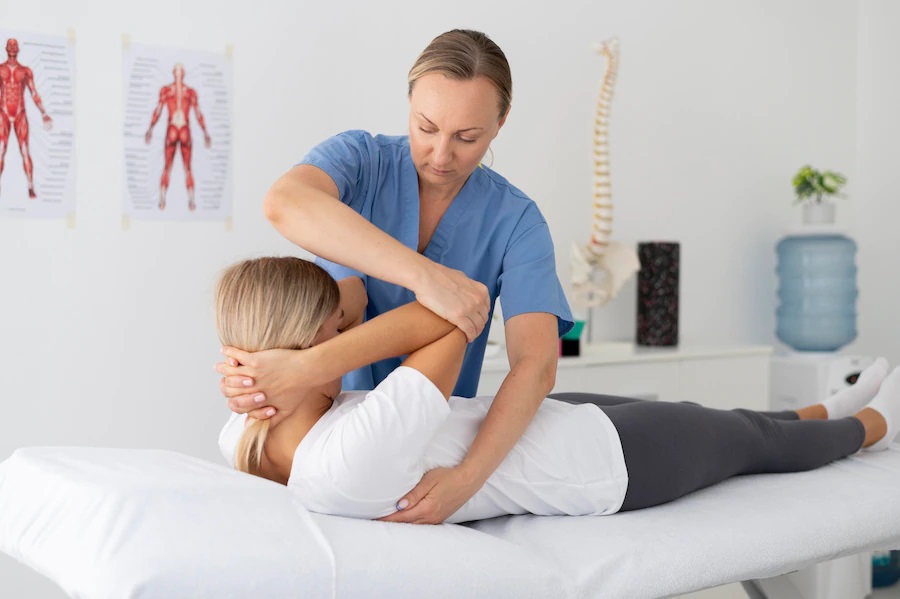
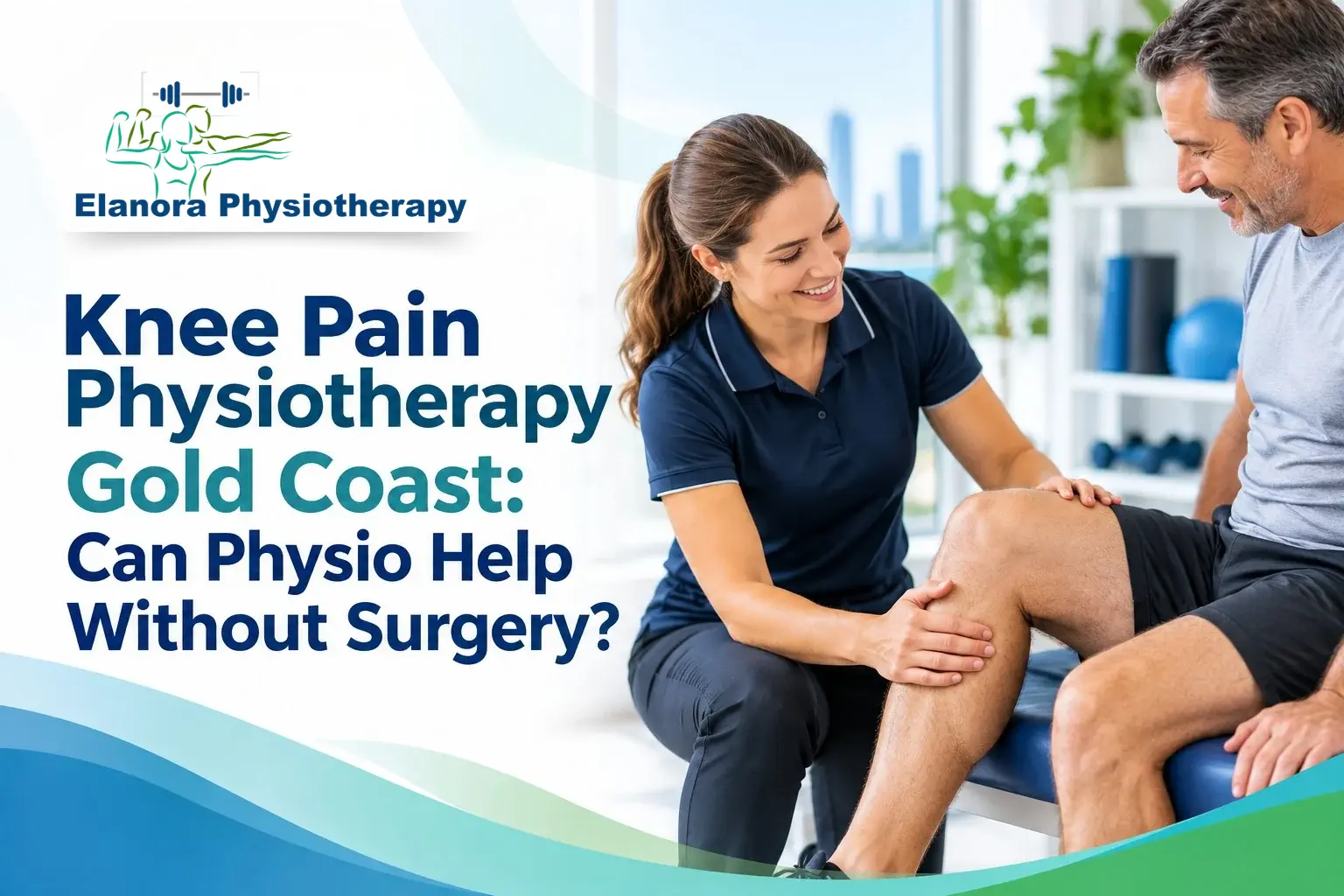
A physiotherapist can help establish realistic goals, monitor knee symptoms, guide progressive exercise and communicate with your GP or orthopaedic specialist when needed. Rehabilitation should respond to how your knee behaves, rather than using exactly the same schedule for every person with an ACL tear.
At Elanora Physiotherapy, ACL injury rehabilitation Gold Coast can be considered alongside the clinic's broader sports injury and pre- and post-surgery physiotherapy services. Based in Elanora at The Pines Shopping Centre, the clinic supports people from nearby areas including Palm Beach, Currumbin and across the southern Gold Coast with individualised assessment and exercise-based rehabilitation.
What Happens at Your First ACL Physiotherapy Appointment?
Your physiotherapist may review your injury history, medical reports, symptoms, walking pattern, range of motion and current strength. They can discuss rehabilitation goals and determine whether medical investigation or specialist review is needed. If appropriate, you may begin a carefully selected exercise plan and learn what activities to modify for now.
Good ACL injury rehabilitation Gold Coast also involves ongoing reassessment. If your knee repeatedly buckles or progress is not as expected, your treating team should revisit the plan rather than simply adding harder exercises.
An ACL injury can be confronting, particularly if you are unsure whether surgery is necessary or when you will be active again. A useful first step is to understand the diagnosis, discuss your options with the appropriate clinicians and set realistic rehabilitation goals. If you are exploring ACL injury rehabilitation Gold Coast, Elanora Physiotherapy can discuss an individualised physiotherapy assessment and help you understand how rehabilitation may fit into your wider care plan.
Whether your goal is returning to weekend sport, rebuilding confidence with daily movement or preparing for reconstruction, sports injury physiotherapy Gold Coast may be part of your recovery pathway. Contact us to enquire about an appointment and discuss your next step; the most suitable treatment plan will depend on your individual assessment and, where appropriate, specialist advice.