







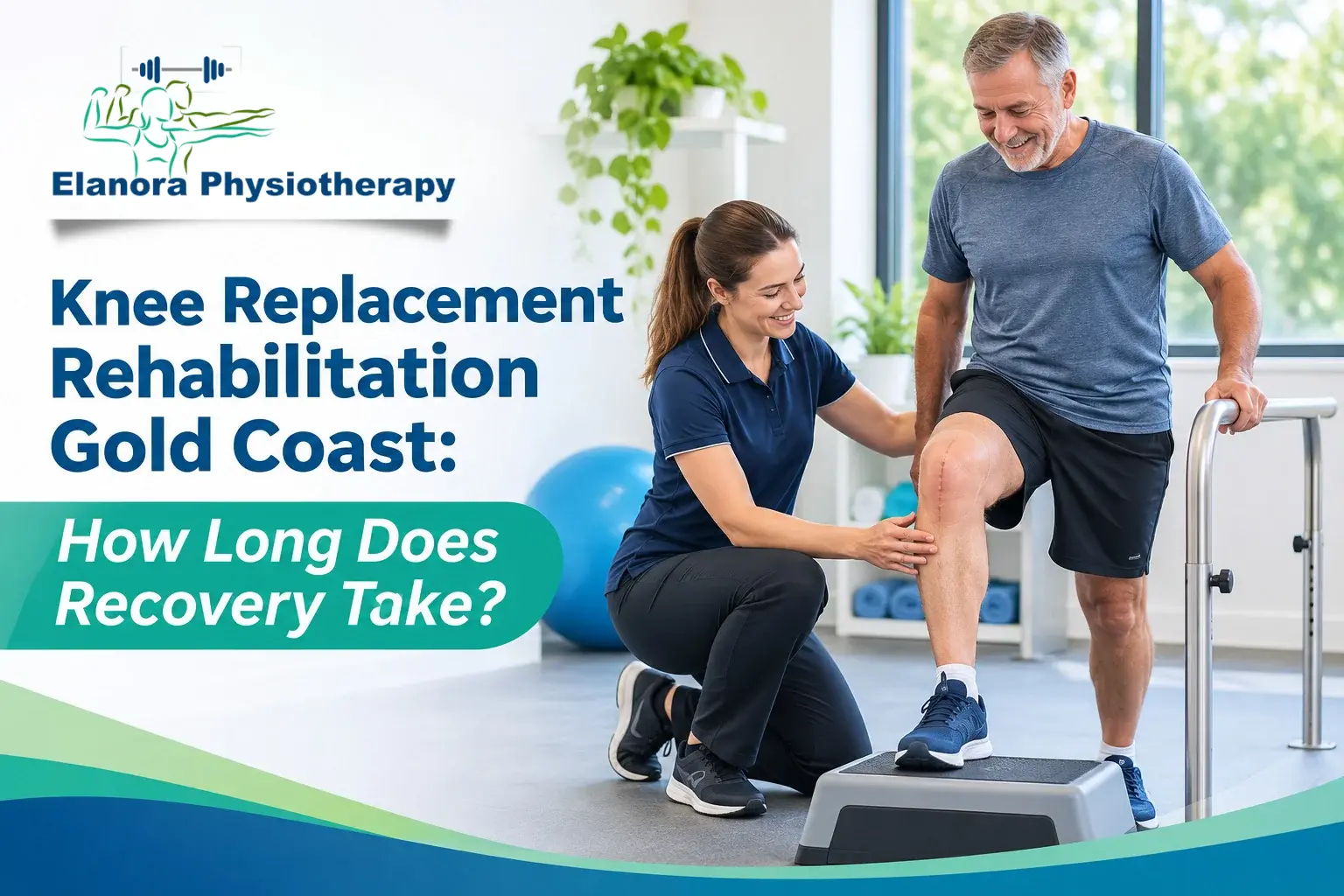
Knee Replacement Rehabilitation Gold Coast: How Long Does Recovery Take?
Recovering from knee replacement surgery can feel like a mix of relief and uncertainty. You may be looking forward to walking comfortably again while wondering when stiffness will ease, how much exercise is safe, or whether you will need help once you leave the hospital. If you are researching knee replacement rehabilitation Gold Coast options, understanding the usual milestones can make planning easier. Equally, knowing what post-surgery physiotherapy Gold Coast services can offer may help you choose suitable support as your mobility improves.
Quick answer: Many people notice meaningful improvements in walking and everyday activities during the first 6–12 weeks after a total knee replacement. However, strength, comfort and confidence can continue improving for several months, and overall recovery may take around 12 months. The timeline varies with your health, surgery, rehabilitation and personal goals. Your surgeon’s instructions take priority over any general guide.
Knee Replacement Rehabilitation Gold Coast: How Long Does It Take?
A total knee replacement replaces damaged joint surfaces with artificial components, most often because osteoarthritis is causing substantial pain and difficulty with everyday activities. The operation is only one part of the journey; learning to move, walk and strengthen your leg again takes time.
For knee replacement rehabilitation Gold Coast patients, recovery is better understood as a series of stages rather than a single finish date. Some people return to basic routines relatively quickly, whereas others need more support because of pain, other health conditions or reduced strength before surgery. A key goal of knee replacement rehabilitation Gold Coast care is safe functional progress, not hitting arbitrary weekly targets. Partial knee replacement may follow a different pathway.
Knee Replacement Rehabilitation Gold Coast: A Practical Recovery Timeline
Days 0–14: Early Movement, Swelling Control and Getting Home
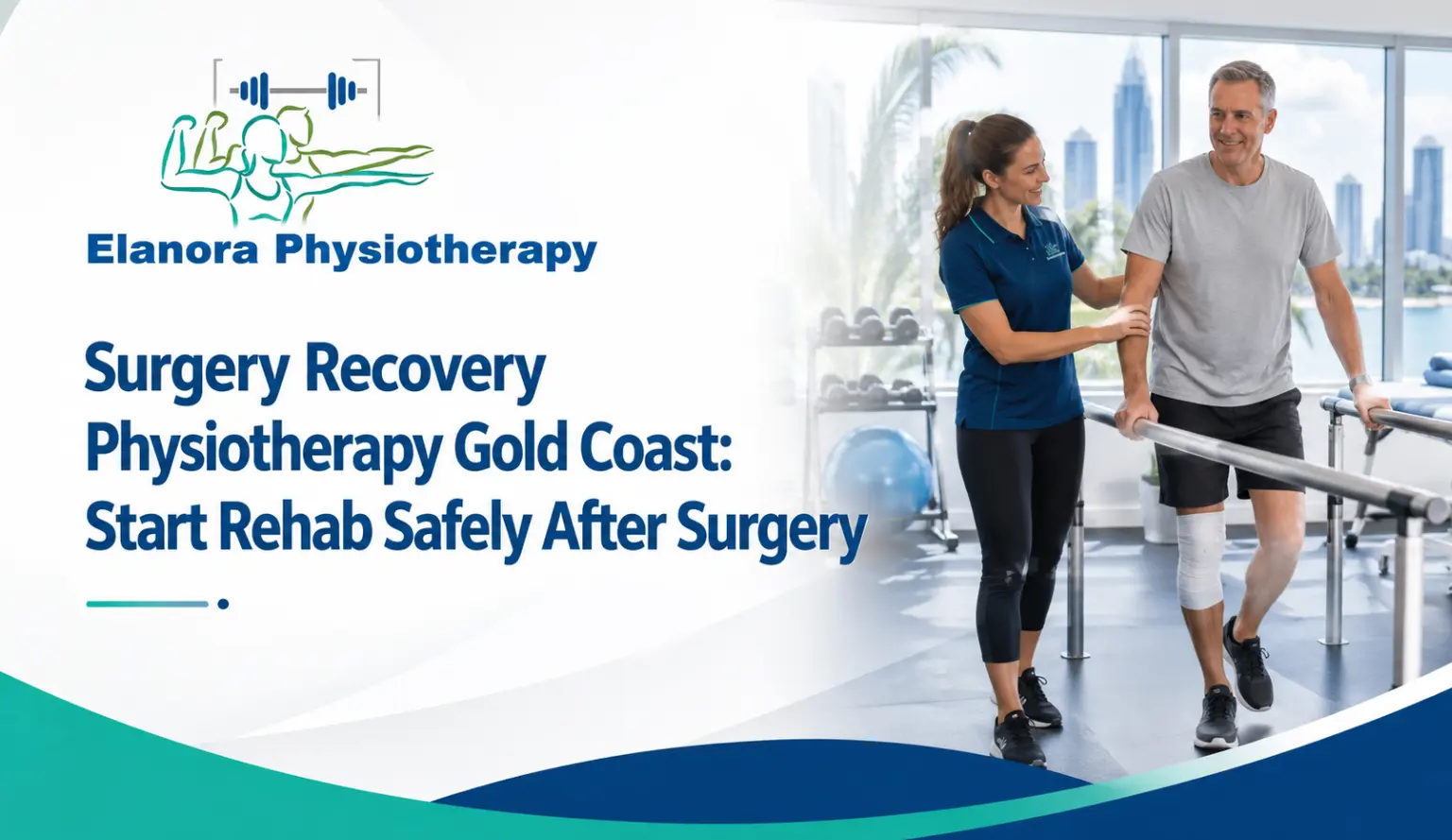
Physiotherapy often starts in hospital on the day of surgery or the following day, depending on your surgeon’s plan. Initially, the team checks how safely you can stand, move around and use a walking aid. You may practise getting in and out of bed, climbing steps if needed and completing gentle knee exercises.
Many people leave hospital after approximately two to four days, although their circumstances may require a different stay. During the first fortnight, the priorities of knee replacement rehabilitation Gold Coast Care are safe mobility, prescribed exercise, adequate rest and monitoring pain and swelling. Small, regular efforts are usually more useful than pushing through severe discomfort.
Weeks 2–6: Walking With Greater Confidence
Over the next few weeks, daily movement may become easier. You might begin walking further on level ground, practising smoother steps and increasing knee bending and straightening. Your physiotherapist may adjust your exercises and check whether your walking aid remains appropriate.
During this stage, knee replacement rehabilitation Gold Coast appointments can help identify issues such as persistent stiffness, reduced quadriceps strength or difficulty negotiating stairs. Progress is not always linear: your knee may feel more swollen after a busy day. Build activity gradually and follow your treating team’s advice rather than comparing yourself with somebody else.
Weeks 6–12: Building Strength for Everyday Activities
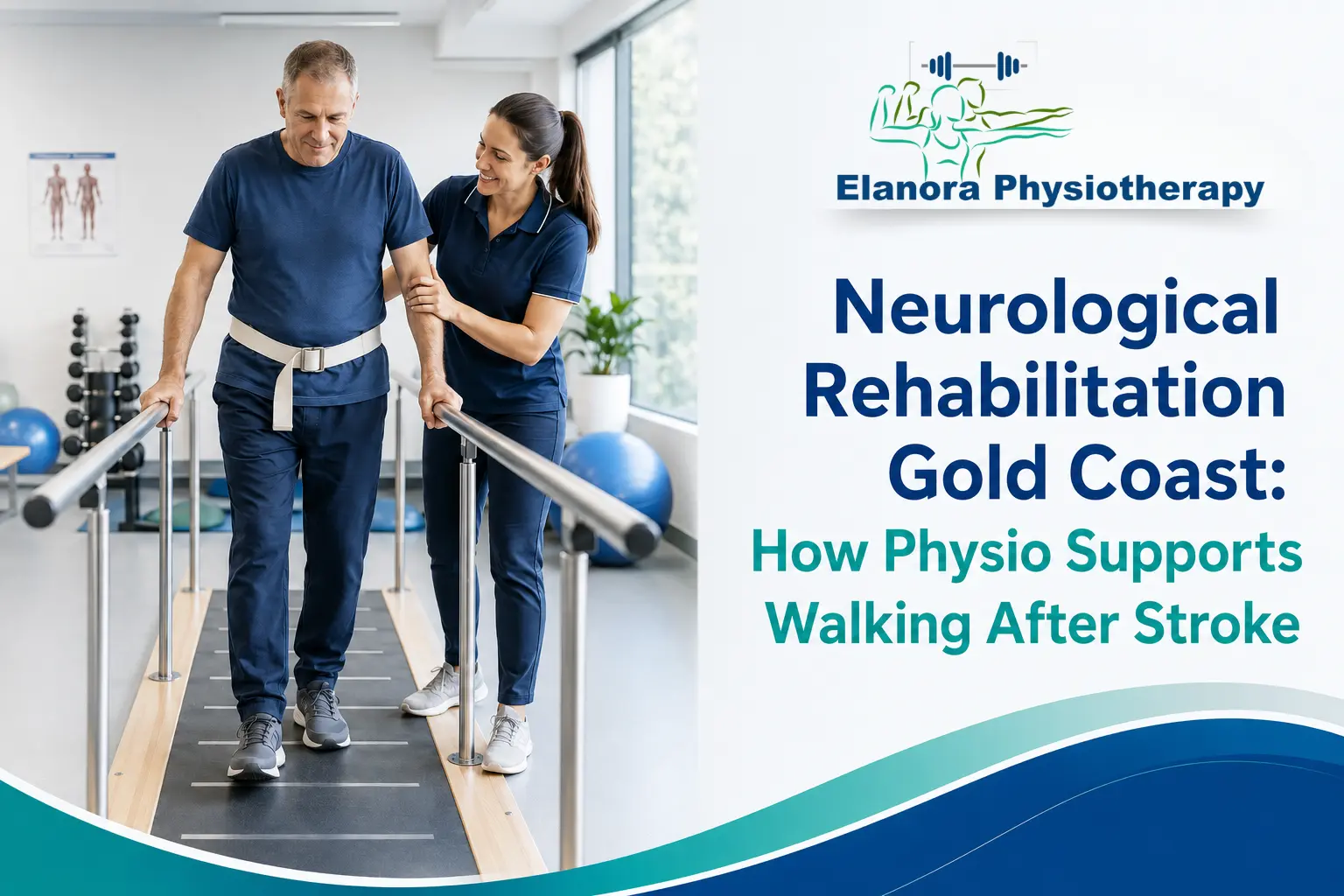
By six to twelve weeks, many patients are working towards greater independence with shopping, household tasks and longer walks. Depending on their progress, rehabilitation may include controlled sit-to-stands, step exercises, balance practice and progressive resistance training.
A structured knee replacement rehabilitation Gold Coast plan should match the exercises to what you can do safely. For example, someone hoping to return to gardening may need different functional training from a person aiming to comfortably manage stairs at home. Needing a walking aid beyond six weeks does not automatically mean recovery has failed.
Months 3–6: Improving Stamina and Functional Confidence
At this point, the focus often shifts towards strength, endurance and activities that matter to you. Low-impact options such as stationary cycling or swimming may be introduced when appropriate and once the wound has healed and your team has cleared you. Returning to physically demanding work or more challenging activities requires individual consideration.
Ongoing knee replacement rehabilitation Gold Coast support may be useful if you are still limping, avoiding stairs or struggling with strength despite regular home exercise. Your physiotherapist can review your progress and discuss any concerns with your GP or surgeon when needed.
Months 6–12 and Beyond: Continuing Improvements
It is common for recovery to continue long after the first few months. Muscle strength, knee comfort and confidence with movement may keep developing as you gradually return to daily activities. Australian healthdirect guidance notes that full recovery after knee replacement often takes around a year.
In later-stage knee replacement rehabilitation Gold Coast care, the emphasis may be on building lasting exercise habits and maintaining function rather than attending appointments indefinitely. If pain, swelling or movement is getting worse instead of gradually improving, seek review rather than assuming it is simply part of healing.
When Should Physiotherapy Start After Knee Replacement Surgery?
Most patients begin guided movement during their hospital stay. Before discharge, the hospital physiotherapist usually provides exercises, walking-aid advice and plans for follow-up. Continue the prescribed program at home, and confirm who is coordinating your outpatient rehabilitation.
If you are arranging knee replacement rehabilitation Gold Coast appointments privately, it is helpful to have your discharge summary, operation details and surgeon’s precautions available. An outpatient physiotherapist can assess your knee movement, walking pattern, strength and day-to-day goals, then adapt the plan to your current stage of healing.
Knee Replacement Rehabilitation Gold Coast: What Does Physio Involve?
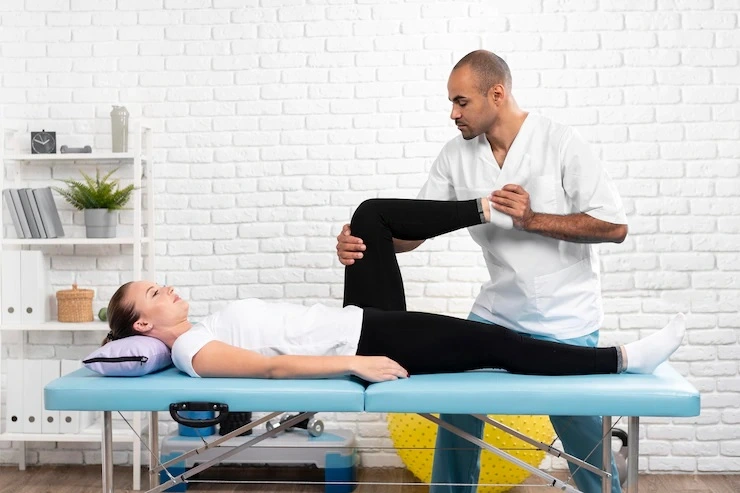
Good rehabilitation is not simply a list of exercises. It combines education, appropriate physical activity, review of your progress and adjustments when your knee reacts differently than expected. A personalised knee replacement rehabilitation Gold Coast program may include the following elements.
Gentle Knee Mobility and Early Exercises
Depending on your surgeon’s instructions, early exercises may include ankle pumps, quadriceps tightening, heel slides and supported knee straightening. These movements can help maintain circulation, rebuild muscle control and restore knee movement. However, exercise selection, repetitions and intensity must suit your recovery; not every exercise is right for every patient.
Walking, Balance and Progressive Strengthening
As movement improves, rehabilitation may progress to walking practice, functional strengthening and balance work. The aim is to make everyday activities such as standing from a chair, stepping over a threshold or walking to the shops more manageable. For knee replacement rehabilitation Gold Coast patients, the right progression depends on how the knee responds during and after activity, not simply on the number of weeks since surgery.
A Home Program You Can Actually Follow
Exercises between appointments often matter as much as the sessions themselves. A realistic plan considers fatigue, sleep, pain levels and what equipment you have at home. Discuss your response to exercise with your physiotherapist, especially if swelling or discomfort repeatedly increases afterwards.
Pain, Swelling and Stiffness: What Is Expected?
Pain, bruising, swelling and a sense of tightness are common after knee replacement. They usually change over time, although some swelling can linger for months. Your care team may recommend rest breaks, elevation, appropriate icing and prescribed pain relief. Keep dressings and wound instructions in mind, and avoid changing medications without medical advice.
One purpose of knee replacement rehabilitation Gold Coast assessment is to distinguish expected recovery challenges from concerns that need further attention. For example, difficulty straightening your knee may warrant an exercise review, while sudden worsening pain, increasing wound redness or unusual discharge calls for medical assessment.
Seek urgent medical advice for a newly painful, red or swollen calf, fever or a wound that is becoming increasingly red or leaking fluid. Call 000 immediately if you develop sudden shortness of breath, chest pain, fainting or symptoms suggesting a blood clot in the lungs. Do not wait for a routine physiotherapy appointment if these warning signs occur.
How Many Physiotherapy Sessions Will I Need?
There is no universal number of sessions after knee replacement. Some people progress well with hospital advice, a home program and periodic review. Others benefit from more frequent appointments because of limited mobility, balance concerns, persistent stiffness or additional health conditions.
During knee replacement rehabilitation Gold Coast, your physiotherapist may review walking, knee range of movement, strength and how you manage daily tasks. Together, you can decide whether further visits are useful and when a more independent exercise routine is appropriate.
Can I Have Knee Replacement Physio at Home on the Gold Coast?
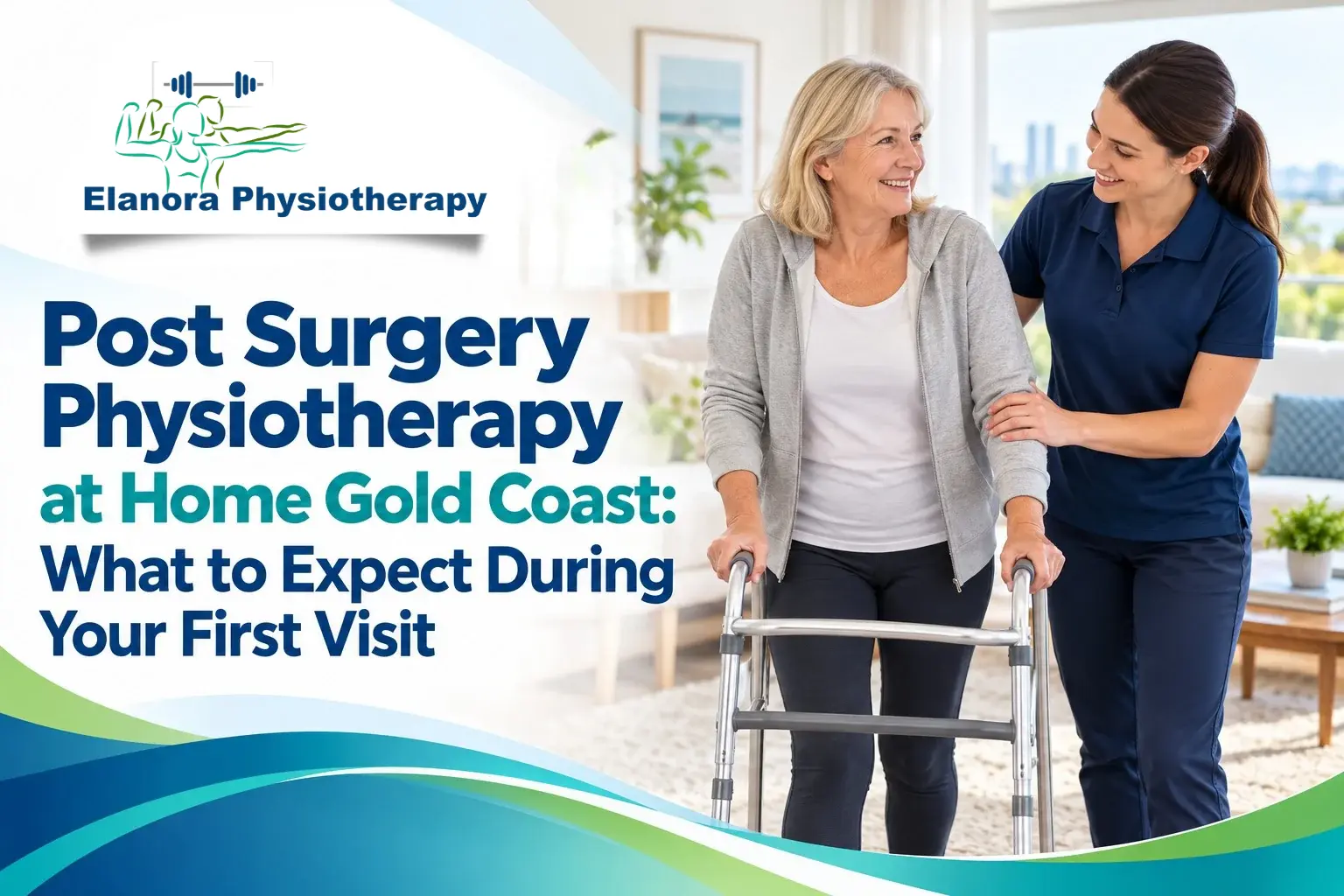
Yes, home-based assessment may be an option if travelling is difficult soon after surgery. It can be particularly useful for checking how you move around your own home, use stairs or complete exercises with available furniture and equipment. Later, some people prefer to transition to clinic-based strengthening as their mobility improves.
For knee replacement rehabilitation Gold Coast residents, Elanora Physiotherapy offers both in-clinic care and mobile physiotherapy in its service areas. A home visit can also provide an opportunity to review your exercise setup, movement around the house and questions about managing daily activities.
Knee Replacement Rehabilitation Near Elanora: Choosing Suitable Support
The most useful physiotherapy plan is one that fits your surgeon’s guidance and your goals, whether that means walking safely around the house, returning to work or building strength for an active lifestyle. Ask what will be assessed, how your home exercises will progress and when the plan will be reviewed.
For people exploring knee replacement rehabilitation Gold Coast services, Elanora Physiotherapy provides individualised pre- and post-surgery care, exercise rehabilitation and access to a clinic rehab gym. Its team also offers mobile appointments where suitable for the patient and location. Ask our team about the Pre & Post-Surgery Physio Rehab Program and whether its approach suits your stage of recovery.
Remember: recovery milestones are guides, not guarantees. Your surgeon’s protocol, medical history and current symptoms should shape what you do next.
If you are preparing for knee replacement or recovering at home in Elanora, Palm Beach, Currumbin or nearby Gold Coast suburbs, Elanora Physiotherapy can discuss suitable rehabilitation options. Our team can explain the available in-clinic and mobile physiotherapy options and help you decide whether an initial assessment would be appropriate. Whether you need guidance on knee replacement rehabilitation Gold Coast or broader post-surgery physiotherapy services in the Gold Coast, contact us, and we can help you explore an assessment and rehabilitation plan suited to your circumstances.